


Compartment syndrome occurs when pressure builds up within a body compartment, such as a group of muscles, reducing blood flow and causing ischemia. This leads to symptoms like severe pain, swelling, and hardening in the affected area.
The condition most often develops after fractures or serious injuries, such as deep cuts or strong blows, but it can also result from blood vessel thrombosis, internal bleeding, tight bandages, or intense physical activity.
If compartment syndrome is suspected, it’s important to seek emergency care, especially if symptoms do not improve with rest. Treatment may involve physical therapy, pain medication, and, in more severe cases, surgery.
Main symptoms
The main symptoms of compartment syndrome include:
-
Swelling in the affected area;
-
Burning, tightness, hardness, or tingling in the muscle;
-
Intense pain in the affected site;
-
Difficulty moving the affected limb.
Symptoms usually appear a few hours after an injury, blow, or burn, but in some cases, they may take up to 48 hours to develop.
If compartment syndrome is not treated properly, the pain, initially felt only when stretching the affected area, can become constant and persist even at rest.
Confirming a diagnosis
The diagnosis of compartment syndrome should be made by a healthcare professional based on the person’s symptoms and a physical exam. To confirm the diagnosis, a doctor measures the pressure within the affected compartment by inserting a needle connected to a pressure monitor.
Possible causes
Compartment syndrome can be caused by:
-
Bone fractures;
-
Burns;
-
Severe injuries, such as deep cuts or heavy impacts;
-
Blood vessel thrombosis;
-
Internal bleeding;
-
Very tight splints or bandages;
-
Intense or repetitive physical activity.
In these situations, pressure inside the affected area increases, reducing blood circulation through local vessels and causing ischemia. In more severe cases, this may lead to necrosis, which is the death of body tissue.
Different types
Types of compartment syndrome include:
1. Acute compartment syndrome
Acute compartment syndrome occurs when pressure within the affected area rises quickly, most often after fractures or severe injuries.
Symptoms worsen rapidly and do not improve with rest. Without prompt treatment, tissue necrosis can occur in the affected region.
2. Chronic compartment syndrome
Chronic compartment syndrome is typically caused by intense, repetitive physical activity and is more common in athletes, particularly cyclists and runners.
In these cases, symptoms develop gradually, worsen with continued exertion, and improve quickly with rest.
Treatment options
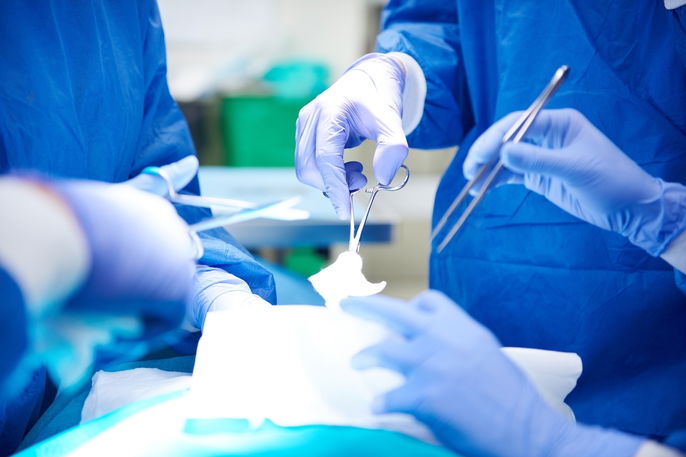
Treatment for acute compartment syndrome usually involves a surgical procedure called fasciotomy, in which small incisions are made in the skin to relieve pressure and restore blood flow.
Other important measures include removing tight splints or bandages and keeping the affected limb at heart level. If necrosis occurs, amputation may be necessary to prevent serious infection.
For chronic compartment syndrome, treatment typically involves physical therapy and anti-inflammatory medications such as ibuprofen or naproxen. Avoiding or reducing the intensity of activities that trigger symptoms is recommended. If symptoms do not improve with conservative treatment, surgery may be necessary.