


Cold sore cream like acyclovir or penciclovir help slow the replication of the herpes simplex virus (HSV-1), which can speed healing, prevent new sores, reduce itching, and ease pain.
These products work best when started at the first sign of a cold sore, such as tingling or burning. Most cold sores heal in about 7 to 10 days, and treatment can be used from the earliest symptoms until the sores fully resolve.
Cold sore creams should be used under the guidance of a dermatologist or primary care provider. If symptoms do not improve, a healthcare provider may recommend oral antivirals.
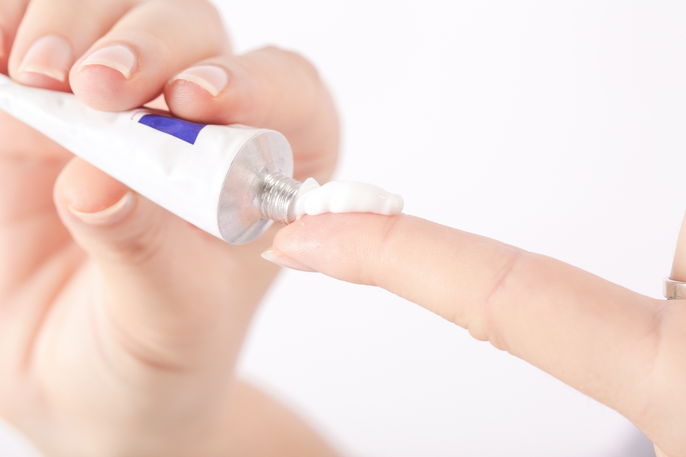
1. Acyclovir 5% cream (Zovirax)
Acyclovir blocks HSV replication, helping limit the infection’s progression. It can be used by adults and adolescents 12 years and older, as directed by a healthcare professional.
How to use: Apply a thin layer to the cold sore on the face or lips 5 times a day for 4 days, starting as early as possible (during the prodrome or when lesions first appear). If the cold sore has not healed after 4 days, contact your healthcare provider about whether to continue.
2. Penciclovir 1% cream (Denavir)
Penciclovir is an antiviral that helps reduce the severity and duration of cold sores in adults and children 12 years and older.
How to use: Apply to the affected area every 2 hours during waking hours for 4 consecutive days. Do not apply inside the mouth, nose, or eyes.
3. Docosanol 10% cream (Abreva)
Docosanol is an over-the-counter cold sore cream that can shorten healing time and reduce symptoms like tingling, pain, itching, and burning when started early.
How to use: At the first sign of a cold sore, rub in gently but completely on the face or lips 5 times a day until healed. Indicated for adults and children 12 years or older.
4. Acyclovir 5% + hydrocortisone 1% cream (Xerese)
This prescription combination is used at the first sign of a recurrent cold sore to lower the chance of ulcerative lesions and shorten healing time in adults and children 6 years and older.
How to use: Apply 5 times a day for 5 days, beginning at the first sign of symptoms.
5. Benzyl alcohol gel (Zilactin)
Benzyl alcohol gels are non-antiviral products that help relieve discomfort from cold sores in and around the mouth. They do not stop viral replication but can provide temporary pain relief and protection.
How to use: Follow the specific product label directions. Do not apply inside the eyes or nose.
6. Supportive lip protectants (occlusive moisturizers)
Occlusive lip protectants, such as petrolatum-based products, do not treat the virus, but they help keep lips hydrated and reduce cracking and discomfort while antiviral therapy works. Use as needed, avoiding application inside the mouth.
Also recommended: Cold Sore Medicine: Medications & Home Remedies tuasaude.com/en/cold-sore-medicineCare tips
-
Use the cream at the correct times, as directed by a healthcare provider or the product label;
-
Wash your hands with soap and water before and after application to avoid worsening the infection or spreading it to other areas;
-
Avoid kissing or direct contact with another person’s cold sore while blisters or sores are present;
-
Do not share utensils, towels, or lip products;
-
Avoid spicy foods and citrus fruits if they irritate the sore.
It is also recommended to consume certain foods, such as peas or fish, which are rich in lysine, a protein that works by inhibiting the growth of the herpes simplex virus, which can help complement cream treatment and speed up skin healing.