


Chlorphenamine is an antihistamine used to relieve symptoms of allergic conditions such as allergic rhinitis, conjunctivitis, skin allergies, hives, and atopic dermatitis.
This medication is available in 4 mg tablets and as a syrup (50 mg/100 mL), sold under brand names like Chlor-Trimeton and Aller-Chlor, as well as in its generic form, chlorphenamine maleate.
Chlorphenamine may also be combined with other active ingredients, including acetaminophen, caffeine, phenylephrine, or amantadine. Its use should always be directed by a healthcare provider, and in children, by a pediatrician.
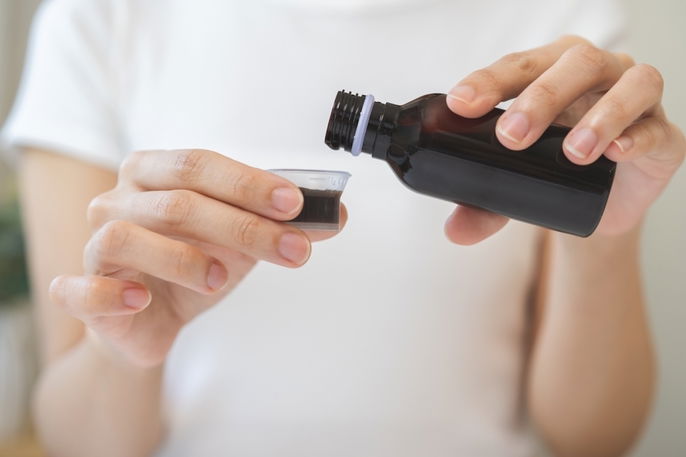
What chlorphenamine is used for
Chlorphenamine is used to treat:
-
Seasonal and vasomotor allergic rhinitis
-
Allergic conjunctivitis
-
Skin allergies
-
Hives (urticaria)
-
Atopic and contact dermatitis
-
Drug-induced hypersensitivity
-
Angioedema
-
Allergic eczema
-
Excessive nasal discharge (runny nose) caused by allergies or the common cold
It can also be used along with an epinephrine injection to manage more severe allergic reactions.
Combination products
Chlorphenamine combination products are used to relieve cold and flu symptoms, such as fever, nasal congestion, runny nose, headache, sneezing, and watery eyes.
These formulations combine chlorphenamine with other medications that enhance its effects or target other related symptoms.
They may contain:
-
Decongestants such as phenylephrine or pseudoephedrine, which help reduce nasal congestion
-
Pain relievers and fever reducers such as acetaminophen (paracetamol)
-
Caffeine, which can help relieve headaches and reduce fatigue
In some formulations, chlorphenamine is also combined with amantadine, an antiviral drug used to prevent and treat influenza A.
Chlorphenamine dosage
The dosage and duration of chlorphenamine treatment should always be determined by a doctor, depending on the person’s age and the form of the medication.
1. Chlorphenamine 4 mg tablets
-
Adults: 1 tablet (4 mg) by mouth every 6 to 8 hours
-
Children 6 to 12 years: ½ tablet (2 mg) by mouth every 6 to 8 hours
-
Children 2 to 5 years: ¼ tablet (1 mg) by mouth every 6 to 8 hours
2. Chlorphenamine syrup (50 mg/100 mL)
-
Adults and children over 12 years: 1 to 2 teaspoons (5 to 10 mL) every 4 to 6 hours; do not exceed 24 mg per day
-
Children 6 to 11 years: ½ to 1 teaspoon (2.5 to 5 mL) every 4 to 6 hours; do not exceed 12 mg per day
-
Children 2 to 6 years: ½ teaspoon (2.5 mL) every 4 to 6 hours; do not exceed 6 mg per day
How to take chlorphenamine
Chlorphenamine tablets should be taken with a glass of water, milk, or food to help minimize possible stomach discomfort.
Alcohol and other central nervous system depressants should be avoided while taking chlorphenamine, as these can increase drowsiness and impair coordination.
Possible side effects
Common side effects of chlorphenamine may include dry mouth, nausea, vomiting, constipation, diarrhea, dizziness, rapid heartbeat, euphoria, irritability, nervousness, urinary retention, vision changes, or eye pain. In children, it may cause excitability.
Because chlorphenamine can cause mild to moderate drowsiness, driving, operating heavy machinery, or performing tasks that require full attention should be avoided.
In rare cases, chlorphenamine may trigger a severe allergic reaction with symptoms such as swelling of the throat, lips, tongue, or eyes, itching, skin redness, or difficulty breathing.
Contraindications for use
Chlorphenamine should not be used in:
-
Children under 2 years of age, unless prescribed by a doctor
-
Pregnant or breastfeeding women
-
People allergic to chlorphenamine or any of its components
-
Older adults with urinary retention problems or narrow-angle glaucoma
You should inform your doctor if you are taking muscle relaxants, antidepressants such as imipramine, maprotiline, or amitriptyline, or other medications such as erythromycin, ketoconazole, furazolidone, monoamine oxidase inhibitors (MAOIs), or oral anticoagulants.