


- Calluses that are very painful, keep coming back, or make walking difficult should be checked by a healthcare professional.
- Calluses that start in childhood or affect both soles may be a sign of a rare genetic or metabolic condition.
- Thick foot calluses with nail changes, eye symptoms, blisters, skin infections, or a family history of similar symptoms may need medical evaluation.
Calluses on feet are thick, hardened areas of skin that form from repeated pressure or rubbing. They are most common on the heels, balls of the feet, and sides of the toes.
Most calluses on feet are caused by tight shoes, frequent walking or standing, or foot changes that increase pressure in one area. However, rare genetic or metabolic conditions can also cause thick, painful, callus-like patches on the soles.
Treatment depends on the cause and may include better footwear, padding, podiatry care, moisturizers, or creams that soften thick skin. Medical attention may be needed when calluses are very painful, start in childhood, affect both soles, keep returning, or appear with nail, eye, skin, heart, dental, or family history changes.
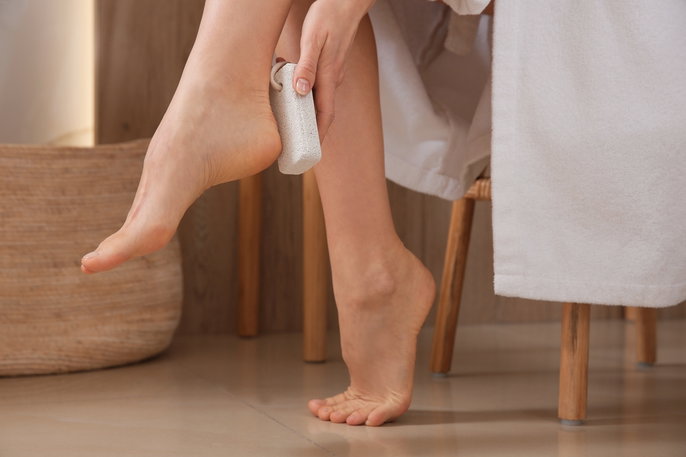
What causes calluses on feet?
The main causes of calluses on feet include repeated friction and pressure, inherited palmoplantar keratodermas, pachyonychia congenita, tyrosinemia type II, and rare focal plantar keratodermas.
1. Mechanical calluses
Mechanical calluses are the most common type of calluses on feet. They form when the skin thickens to protect itself from repeated rubbing or pressure.
The skin may look rough, dry, hard, flaky, or waxy. The callus may be painless, but it can become tender when pressure is placed on it.
What to do: Treatment involves reducing pressure on the affected area. This may include better-fitting shoes, protective padding, and safe removal of thick skin by a podiatrist.
2. Inherited palmoplantar keratodermas
Inherited palmoplantar keratodermas are genetic conditions that cause thick skin on the palms and soles. On the feet, this thickening can look like large, persistent calluses.
The thick skin may be yellow-brown, cracked, or painful, especially on the heels and balls of the feet. Some types may also cause sweating, infections, painful fissures, nail changes, hair or teeth changes, hearing problems, heart problems, or eye changes.
How to treat: Treatment may include podiatry care, careful removal of thick skin, and insoles that reduce pressure. Creams with urea, salicylic acid, or lactic acid may help soften the skin, and some people may need specialist medicines.
3. Pachyonychia congenita
Pachyonychia congenita is a rare inherited condition caused by changes in keratin genes. A key sign is painful, callus-like thickening on pressure areas of the soles.
The thick patches often start when a child begins walking and may cause severe foot pain. Other symptoms can include thick or abnormal nails, blisters under the calluses, mouth patches, skin cysts, hoarseness, natal teeth, or ear pain.
What to do: Treatment focuses on reducing pain and pressure on the soles. This may include podiatry care, careful trimming of thick skin, comfortable shoes, custom insoles, and specialist treatments such as topical or oral medicines.
4. Tyrosinemia type II
Tyrosinemia type II, also called Richner-Hanhart syndrome, is a rare inherited metabolic condition. It happens when the body cannot properly process the amino acid tyrosine.
This condition can cause painful, thick plaques on weight-bearing areas of the soles that look like calluses. Other symptoms may include foot blisters, excessive sweating, eye pain, redness, tearing, light sensitivity, corneal changes, and learning or developmental problems in some cases.
How to treat: The main treatment is a diet that limits tyrosine and phenylalanine. When started early, this diet can improve skin and eye symptoms and may help prevent neurological problems.
5. TRPV3-related painful focal plantar keratoderma
TRPV3-related painful focal plantar keratoderma is a rare genetic condition that causes painful thick skin on the soles. It may occur alone or as part of Olmsted syndrome.
The thickened areas usually appear on weight-bearing parts of the feet and can look like deep, painful calluses. Depending on the condition, there may also be thick skin on the palms, redness around body openings, nail changes, hair changes, or other skin findings.
What to do: Treatment aims to reduce pressure, soften thick skin, and improve comfort. This may include debridement, padding, pressure-relieving insoles, keratolytic creams, moisturizers, and sometimes retinoids under specialist care.
6. Other focal palmoplantar keratodermas
Other rare focal palmoplantar keratodermas can also cause callus-like thickening on the soles. These conditions often affect pressure points, such as the heels or balls of the feet.
The thickened areas may be painful, cracked, or difficult to manage with routine foot care. Some forms may also cause nail changes, skin changes, or similar symptoms in family members.
How to treat: Treatment focuses on comfort and pressure control. Podiatry care, supportive shoes, custom insoles, moisturizers, and keratolytic creams may help reduce symptoms.
