


A brain cyst is a type of tumor that is usually benign. It can be filled with fluid, blood, air, or tissue. Some brain cysts are present at birth, while others develop later in life.
Many people have no symptoms and only find out after a routine imaging test. In some cases, a cyst can press on parts of the brain. When that happens, symptoms like vision changes, headache, or dizziness may occur.
After a cyst is found, a neurologist typically monitors it with periodic CT scans or MRIs to check whether it is getting larger. If the cyst becomes very large or causes symptoms, the doctor may recommend surgery to remove it.
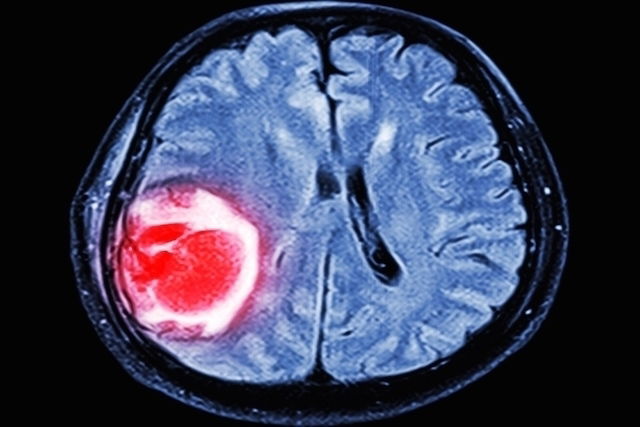
Main symptoms
The main symptoms of a brain cyst are:
-
Headache;
-
Seizures;
-
Dizziness;
-
Nausea or vomiting;
-
Sleep changes;
-
Loss of strength;
-
Imbalance;
-
Vision changes;
-
Mental confusion.
In most cases, a brain cyst does not cause symptoms. However, depending on its size and location, it may press on nearby brain structures and produce symptoms.
A cyst can also block the normal flow of cerebrospinal fluid, increasing the risk of hydrocephalus, a buildup of fluid in the brain.
Confirming a diagnosis
A brain cyst is usually diagnosed using imaging tests such as an MRI, CT scan, or brain ultrasound. According to the National Institute of Neurological Disorders and Stroke (NINDS), it is often discovered incidentally during imaging performed for other, unrelated reasons.
Along with imaging, the doctor may perform a full neurological exam to check for symptoms like headache, dizziness, changes in motor coordination, and vision changes.
Main causes
The main cause of a brain cyst is congenital, meaning it forms during baby's development in the womb.
Other causes can also contribute to cyst formation, such as a blow to the head, a stroke, a degenerative disease such as Alzheimer’s, or brain infections.
Different types
There are different types of cysts depending on the region of the brain where they form:
-
Arachnoid cyst: a congenital cyst (present from birth) caused by a buildup of fluid between the membranes that cover the brain and spinal cord;
-
Epidermoid and dermoid cysts: similar types of cysts that also form due to changes during fetal development in the womb and are filled with cells from the tissues that form the brain;
-
Colloid cyst: a cyst located inside the brain ventricles, which are areas where the fluid that surrounds the brain is produced. A common symptom is headache that appears in certain body positions;
-
Pineal cyst: a cyst that forms in the pineal gland, an important gland that helps regulate certain hormones, especially melatonin and serotonin.
Most cysts are benign, but in some cases they can also be cancer. To assess this possibility, follow-up MRI exams and blood tests to evaluate inflammation in the body may be done.
Treatment options
If the cyst is small, does not grow, and does not cause symptoms or discomfort, the neurologist typically monitors it over time and repeats testing yearly.
If symptoms occur, the neurologist may prescribe medications such as pain relievers, anticonvulsants, or medicines for nausea and dizziness to try to control them. If symptoms persist or are very intense, a neurosurgeon may perform surgery to remove the cyst to definitively resolve the problem.