


Bisphenol A, also known as BPA, is a chemical widely used to make polycarbonate plastics and epoxy resins. It can be found in food storage containers, plastic bottles and canned foods, for example.
When these containers are heated or reused too often, BPA can be released. It may then move from the container into the food or drink.
Eating foods or drinking beverages that contain BPA may pose some health risks, such as immune system damage and an increased risk of cancer. However, more strong human studies are still needed to better understand the possible health effects of bisphenol A.
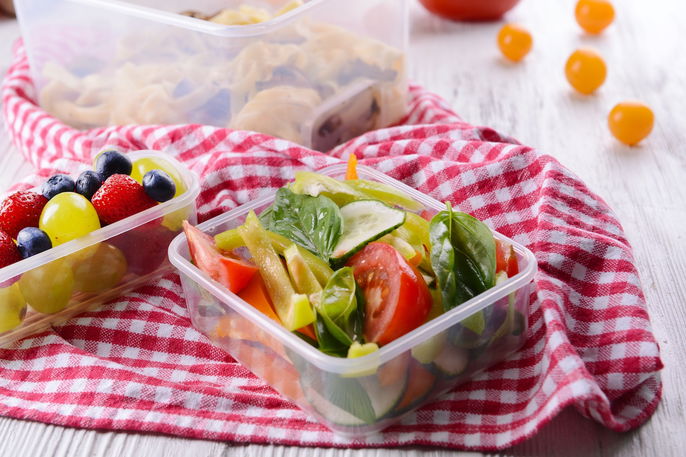
Possible health risks
The possible health risks of bisphenol A include:
1. Damage to the immune system
According to the European Food Safety Authority (EFSA), exposure to BPA may cause damage to the immune system.
Studies have shown that even very low doses of bisphenol A may be linked to an increase in white blood cells known as T helper cells in the spleen. This may contribute to the development of autoimmune diseases and lung inflammation, such as asthma.
2. Reproductive and fertility problems
Bisphenol A may cause fertility problems, as exposure to this compound has been associated with lower total sperm count and reduced sperm motility.
In addition, BPA has also been linked to problems in the female reproductive system, such as ovarian cysts. It has also been associated with potentially harmful changes in the development of the prostate and mammary gland.
However, organizations such as the World Health Organization (WHO) and EFSA point out that human studies have limitations.
This is because most studies look at exposure and health problems at a single point in time. Since the body eliminates BPA in urine within a few hours, using one urine sample to represent years of exposure is not considered adequate.
3. Increased risk of cancer
BPA is believed to act like estrogen in the body, stimulating signaling pathways that promote excessive cell division and growth. Contact with BPA may also affect DNA stability, creating conditions that may favor the development of cancer cells.
However, health agencies emphasize that cancer is a complex and multifactorial disease. It can be influenced by genetics, lifestyle and environmental exposure.
In addition, traditional toxicology studies have provided weak evidence for classifying BPA as carcinogenic. For this reason, scientists state that more studies are needed to assess the carcinogenic potential of bisphenol A.
4. Neurological and behavioral changes
Studies that followed mothers and their children suggest that BPA exposure during pregnancy may be associated with future behavioral problems, such as aggression and hyperactivity.
However, the WHO, FAO, EFSA and the Brazilian Ministry of Health point out that human studies have limitations. Therefore, it is still not possible to confirm a relationship between BPA and neurobehavioral toxicity.
BPA free
The term "BPA free" is used on labels or seals to indicate that a product does not contain bisphenol A in its composition.
How to know if plastic is BPA free
To know whether a plastic product is BPA free, it is recommended to check the label or packaging for "BPA free" seals or wording.
It is also important to check the packaging for the number "7" inside the triangular recycling symbol. This category generally identifies containers made with polycarbonate.
Which products contain BPA?
Products that may contain bisphenol A include:
-
Returnable and reusable water bottles;
-
Food storage jars and containers;
-
Plastic plates, cups, utensils and other plastic items;
-
The internal lining of food and beverage cans;
-
The coating on metal lids used on glass jars and bottles, such as baby food jars;
-
Tanks and equipment used in the production, storage and transportation of foods and beverages, such as wine and beer tanks.
Bisphenol A is also present in CDs, medical devices, eyeglass lenses, some toys, silicone, rubber, household appliances, plumbing, water supply pipes and residential water tanks.
How to avoid using BPA
To reduce contact with bisphenol A, it is recommended to use "BPA free" plastic containers or choose containers made of glass, porcelain, stainless steel or bamboo, especially for storing food.
It is also recommended to avoid heating food in plastic containers, avoid canned foods and avoid reusing old plastic containers too often.
Another tip is to avoid storing very acidic foods, such as tomato sauce and citrus fruits, alkaline foods or high-fat foods in plastic containers. This is because these types of foods can speed up the breakdown of chemical bonds in plastic, making it easier for BPA to be released.
Maximum amount of BPA
In the US, the FDA has not established a single maximum daily amount of BPA for consumers. Instead, BPA is regulated through food-contact rules that assess how much of a substance may migrate from packaging into food and whether that exposure is considered safe.
The FDA states that currently approved uses of BPA in food containers and packaging are safe. However, BPA is no longer authorized for use in polycarbonate baby bottles and sippy cups, or in epoxy resins used in packaging for infant formula, because these uses have been abandoned by the industry.
Unlike the European Union, the US has not banned BPA in all materials that come into direct contact with food. However, some US states may have additional restrictions on BPA in specific products.