


Bourbon virus is a rare virus that can cause a serious tick-borne illness. It belongs to a group of viruses called thogotoviruses and was first identified in the United States after a person developed a severe fever following tick exposure.
Common symptoms include fever, tiredness, headache, body aches, nausea, vomiting and a skin rash. Blood tests may also show low levels of white blood cells and platelets, which help the body fight infection and form blood clots.
There is no vaccine or proven antiviral medicine specifically approved for Bourbon virus. Treatment focuses on relieving symptoms and supporting the body while it fights the infection, and severe cases may require hospitalization.
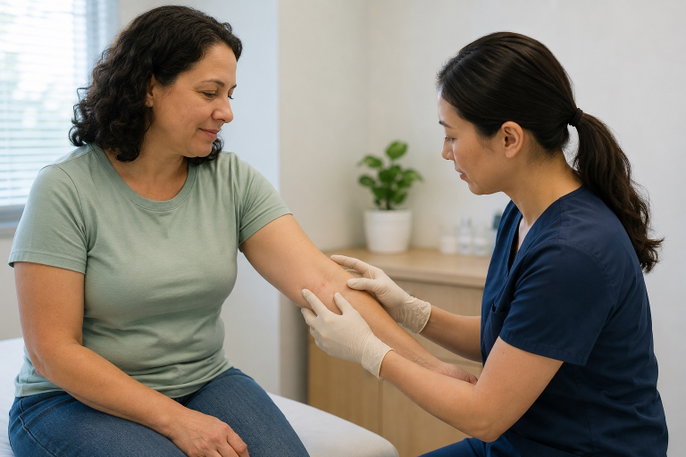
Main symptoms
Bourbon virus can cause symptoms similar to those of other illnesses transmitted by ticks. The most commonly reported symptoms include:
-
Fever
-
Severe tiredness
-
Headache
-
Body or muscle aches
-
Skin rash
-
Nausea
-
Vomiting
Blood tests may show a low white blood cell count, known as leukopenia, and a low platelet count, known as thrombocytopenia. Some people can develop a severe and rapidly worsening illness, although only a small number of human cases have been identified.
How it is transmitted
Bourbon virus appears to be transmitted through the bite of an infected tick. The lone star tick, scientifically known as Amblyomma americanum, is currently the tick most strongly associated with the virus.
Bourbon virus has been found in lone star ticks collected in Missouri. Laboratory studies have also shown that these ticks can acquire and maintain the virus and transmit it while feeding near other ticks on an animal host.
Viral material has also been detected in the Asian longhorned tick in the United States. However, finding the virus in a tick does not prove that the tick can transmit it to people.
Antibodies against Bourbon virus have been identified in animals such as white-tailed deer, raccoons, dogs, horses and rabbits. This indicates that these animals may be exposed to the virus, but there is no evidence that they directly transmit Bourbon virus to people.
Person-to-person transmission has not been established. Important details about the virus’s natural animal hosts, geographic range and transmission cycle are still being studied.
Causes
Bourbon virus disease is caused by infection with the Bourbon virus, a thogotovirus in the Orthomyxoviridae family. The virus was first isolated and studied after the first recognized human case in Kansas in 2014.
The infection is considered an emerging zoonotic disease, meaning that the virus circulates between ticks and animals and can occasionally infect people. The exact animal species that allow the virus to survive and multiply in nature have not yet been confirmed.
Bourbon virus remains very rare. Its presence has been documented or suspected in several parts of the United States, but available evidence does not show that it is a common infection or a nationwide threat.
Diagnosis
A doctor may suspect Bourbon virus when a person develops fever, tiredness, rash or other compatible symptoms after possible tick exposure. Low white blood cell and platelet counts may strengthen this suspicion, especially when tests for more common tick-borne infections do not explain the illness.
Diagnosis cannot be confirmed from symptoms alone because Bourbon virus resembles several other infections. Blood samples must be tested using specialized laboratory methods that look for the virus or antibodies produced in response to it.
Because testing is not widely available as a routine laboratory test, health departments and specialized public-health laboratories may be involved. The person’s symptoms, tick-exposure history, blood test results and testing for other possible infections are considered together.
Treatment options
Treatment for bourbon virus may include:
1. Supportive treatment
There is no proven antiviral treatment specifically approved for Bourbon virus infection in people. Treatment is supportive, meaning that it focuses on controlling symptoms and helping the body function while the immune system responds to the infection.
Supportive care may include fluids and medicines to reduce fever or pain. The exact care required depends on the person’s symptoms and the severity of the illness.
2. Hospital treatment
People with severe Bourbon virus disease may need to be admitted to a hospital. Hospital care may include intravenous fluids and close monitoring of blood counts, blood pressure, breathing and organ function.
Severe cases can progress quickly, so medical monitoring may be important when symptoms worsen or laboratory results are abnormal.
Prevention measures
There is currently no vaccine against Bourbon virus. Prevention therefore focuses on reducing exposure to ticks and removing attached ticks as soon as possible.
Measures that can help prevent tick bites include:
-
Avoiding wooded, brushy and grassy areas when possible
-
Walking in the center of trails
-
Using an EPA-registered insect repellent according to the product instructions
-
Treating clothing and outdoor gear with products containing permethrin
-
Wearing long sleeves, long pants and closed shoes in tick habitats
-
Checking the body, clothing, children and pets for ticks after spending time outdoors
-
Showering soon after returning indoors
-
Removing attached ticks promptly and carefully
-
Drying clothing on high heat when appropriate to kill ticks
Tick checks should include less visible areas such as the scalp, behind the ears, under the arms, around the waist, behind the knees, between the legs and around the ankles.
When to seek medical care
Medical evaluation is important when fever, rash, marked tiredness, body aches, nausea or vomiting develop after a tick bite or time spent in a tick habitat. A known tick bite is not required because ticks may attach without being noticed.
Urgent assessment may be needed when symptoms are severe, worsen quickly or occur with confusion, breathing problems, fainting, unusual bleeding or signs of dehydration. Early evaluation can also help rule out other tick-borne diseases that may require specific treatment.