


A blood clot in the brain (cerebral thrombosis) is a type of stroke that happens when a clot blocks an artery in the brain. This can be life-threatening or lead to serious complications like trouble speaking, vision loss, or paralysis.
Symptoms of a blood clot in the brain are often not very specific, but a sudden, very severe headache is a common warning sign. This can happen to anyone, but it’s more common in women due to oral contraceptive use and pregnancy.
Risk is also higher in people with a family history of cardiovascular disease or conditions like high blood pressure. If a blood clot in the brain is suspected, it’s important to go to the hospital right away for diagnosis and treatment to help relieve symptoms and dissolve the clot.
Main symptoms
The symptoms that help identify a blood clot in the brain are:
-
Severe headache;
-
Tingling or paralysis on one side of the body;
-
Drooping mouth;
-
Difficulty speaking and understanding speech;
-
Vision changes;
-
Dizziness and loss of balance.
These symptoms can be vague and overlap with other conditions, making diagnosis more challenging at times.
If any of these signs appear, call 911 or go to the nearest emergency room right away, as recommended by the Centers for Disease Control and Prevention (CDC).
If the person faints and stops breathing, start CPR immediately, following the American Heart Association (AHA) Adult Basic Life Support guidelines.
Confirming a diagnosis
A blood clot in the brain is diagnosed by a general practitioner or neurologist based on the person’s signs and symptoms, along with laboratory and imaging results.
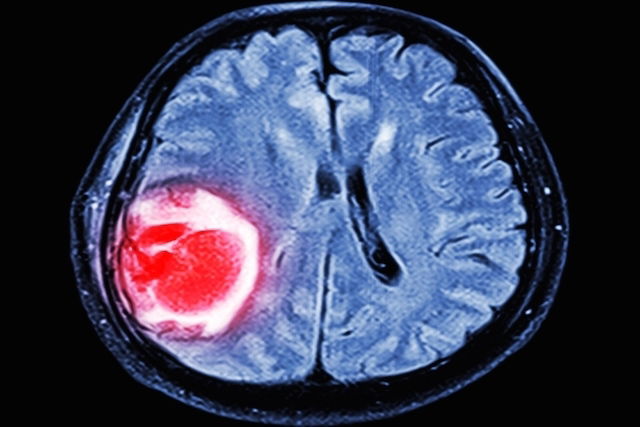
The provider will usually order a complete blood count (CBC), coagulation testing, and a D-dimer level. Imaging tests may also be needed, such as magnetic resonance imaging (MRI), computed tomography (CT scan), angiography, venography, and/or ultrasound to look for a clot and/or brain changes suggestive of thrombosis.
Risk factors
A blood clot in the brain can occur in healthy people, but the risk is higher in the following situations:
-
High blood pressure;
-
Diabetes;
-
Excess body weight;
-
High cholesterol;
-
Heavy alcohol use;
-
Heart problems, such as cardiomyopathy or pericarditis;
-
Use of oral contraceptives (birth control pills);
-
Pregnancy;
-
Dehydration;
-
Drug use;
-
Lumbar puncture (spinal tap) or neurosurgical procedures.
Risk is also higher for people with untreated diabetes, during the postpartum period, and those with a family history of heart disease or stroke.
Treatment options
Treatment for a blood clot in the brain should start as quickly as possible in the hospital. This is because intravenous anticoagulant injections, such as heparin, may be needed to help break up the clot blocking the brain artery.
A doctor may also recommend thrombolytic (“clot-busting”) medications, antibiotics if there is an infection, anti-seizure medications, or acetazolamide to help lower intracranial pressure.
In some cases, the doctor may recommend a procedure to remove the clot from the brain, called a thrombectomy, to restore blood flow through the affected blood vessel.
After treatment, a hospital stay of about 4 to 7 days is usually recommended for close monitoring. During this period, there is a higher chance of internal bleeding or the clot happening again.
Can it be cured?
A blood clot in the brain can be cured, especially when treatment is started within the first hour after symptoms begin. However, the risk of long-term complications depends on the area affected and the size of the clot.
Also recommended: Blood Clot Symptoms (in the Legs, Brain, Lungs and More) tuasaude.com/en/blood-clot-symptomsPotential complications
Depending on how long the brain went without enough oxygen, complications can occur due to tissue damage. These can range from changes in speech to paralysis, and severity depends on how long the brain was deprived of oxygen.
To help manage complications, a doctor may recommend therapies such as physical or speech therapy to aid recovery of affected abilities.