


Blisters on the feet are commonly caused by tight shoes or wet socks and are a sign of excess friction on a certain area of the foot.
However, painful blisters on the feet that appear frequently can also be a sign of a skin condition on the feet, like contact dermatitis, Athlete's foot or dishydrosis.
Although breaking a blister is the quickest and most practical way to relieve discomfort, it can also increase your risk for infection and a more painful wound. The best way to heal a blister on the foot is to relieve the pressure around the affected skin and to keep the blister intact.
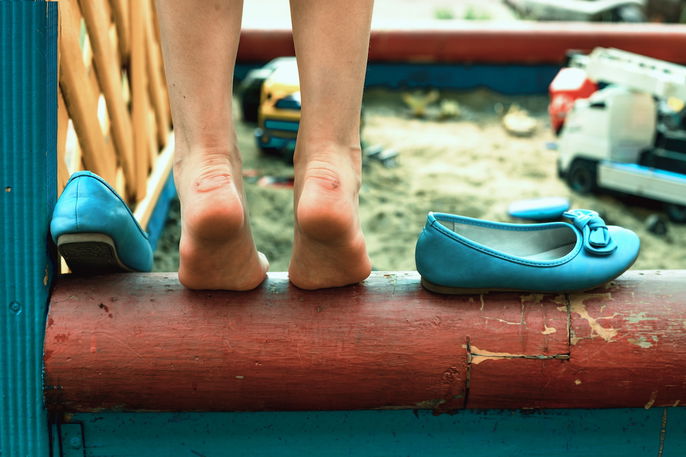
Why do I get blisters on my feet?
Blisters on the feet are commonly caused by:
1. Using a new or tight shoe
Using a tight, new or stiff shoe will lead to more friction between the shoe and foot. This can cause skin irritation, inflammation and blisters on the feet. The toes, heel or bottom of the foot can be affected.
How to heal: You should opt for comfortable shoes that are correctly sized to prevent blisters on the feet. Blisters that have already grown can be protected with a band-aid to avoid further friction. You should avoid popping the blister, as the liquid within it helps to protect the skin wound.
2. Using sandals
Using sandals can also increase the risk for blisters on the feet, especially on the bottom of the foot, as a moist foot can rub against the bottom of the sandal.
Friction from the sandal straps on the top of the foot can also cause blisters.
How to heal: You should choose comfortable sandals that fit correctly (not too big or small) to prevent rubbing.
3. Using the wrong socks
Using the wrong socks (too thick, too thin, or with holes) can cause friction and irritation on the foot skin, leading to blisters.
How to heal: Check which sock is most appropriate for the shoe being used to avoid excessive friction. Blisters that have already formed can be covered with a band-aid. You should opt for open-toe shoes or sandals until the skin has healed.
4. Burns
Burns (from sun exposure or walking on hot surfaces, for example) can cause blisters to emerge.
First or second degree burns can additionally cause a burning sensation and pain or discomfort, which can interfere with activities of daily living like putting on your shoes or walking.
How to heal: In these cases, the first step is to immediately wash your feet in cold water, to apply cold compresses on the blisters (without pressure), and to apply hydrating creams or aloe vera to the area to decrease inflammation. If the burns or blisters appear affected, you should see a doctor for an antibiotic ointment.
Also recommended: Burn Bandages (for First, Second and Third-Degree Burns) tuasaude.com/en/burn-bandages5. Contact dermatitis
Contact dermatitis on the foot is a type of skin reaction that occurs when the foot skin comes in contact with a specific substance (like soaps, talc powders, foot products, or synthetic fabrics from shoes or socks) and causes local swelling and blisters.
How to heal: It is important to prevent contact with the triggering substance or material. If a reaction occurs, wash the affected area with plenty of cold water and a mild soap. You should consult a dermatologist to identify the trigger and confirm a diagnosis. The doctor may prescribe treatment, which may involve ointments or creams with antihistamines or corticosteroids.
Also recommended: Small Water Blisters on the Skin: 14 Causes & How to Treat (w/ Photos) tuasaude.com/en/small-water-blisters-on-skin6. Dyshidrosis
Dyshidrosis is a skin condition associated with the formation of small, fluid-filled blisters on the bottom of the feet or on the hands. It causes intense itching that can last for up to 3 weeks.
The exact cause of dyshidrosis is not well known, although it is more frequently noted in the summer. It may also be related to skin allergies, excessive moisture in the feet, and increased physical or emotional stress.
How to heal: Treatment for dyshidrosis should be oriented by a dermatologist, who may recommend cold compresses (2 to 4 times per day for 15 minutes) or soaking your feet in cold water. You can also apply a moisturizer to your feet, and you should avoid any triggering substances. In some cases, the doctor may also prescribe topical anti-allergenics or corticosteroids.
7. Long walks
Long walks or running can also cause friction of the foot against the shoes and socks, leading to irritation, inflammation and possible blisters or wounds on the feet.
How to heal: You should use shoes and socks that are meant for running and walks. There are also in-soles and toe or heel protectors that can help to prevent the formation of blisters. To treat blisters that have already developed, you can protect them with a band-aid or hydrocolloid dressing.
8. Using wet shoes or socks
Using wet shoes or socks can increase friction in the feet, leading to blisters anywhere on the foot, especially the heel, toes or bottom of the foot.
How to heal: If your shoes or socks get wet, remove them and dry your feet thoroughly. Switch footwear and socks if you can.
9. Excessive moisture in the feet
Excessive moisture in the feet usually happens from over-sweating, which can obstruct the skin pores and lead to blistering, particularly in between the toes.
Excessive moisture is most common in people who exercise, but it can also happen in people diagnosed with plantar hyperhidrosis.
How to heal: You should use absorbent socks, breathable shoes and absorbent insoles. Switch your socks as often as needed, or use foot anti-perspirants. If you have plantar hyperhidrosis, you should see a dermatologist, who may prescribe corticosteroid creams, botox or even surgery.
10. Athlete’s foot
Athlete’s foot is a fungal skin infection that affects the feet. It is associated with blisters that are itchy, and can affect the space between the toes and the bottom or sides of one or both feet.
How to heal: Treatment for athlete‘s foot should be oriented by a dermatologist, who may prescribe antifungal ointments or creams to apply to the affected areas. In some cases, the doctor may also prescribe oral antifungals. Many patients may also benefit from a candida diet, which is made up of foods that strengthen the immune system and prevent further fungal infections.
11. Epidermolysis bullosa
Epidermolysis bullosa is a genetic disease that leads to the formation of painful blisters on the skin following fracture or slight traumas. It can affect the feet, hands or any other area of the body.
How to heal: You should cover the blisters with dressings until they have completely healed. Soft shoes can help to reduce friction or injury to the foot. It is best for treatment to be oriented by a dermatologist to ensure optimal treatment. Infected blisters can be treated with topical antibiotics.
Why you shouldn’t pop a blister
Ideally, a blister should not be ruptured as it can increase the risk for infections. Blisters form to protect inflamed or irritated skin from further impact and microorganisms that can cause infection.
Blisters that are very large and cause significant discomfort can be drained using specific techniques. This drainage should be done by a health care professional to decrease the risk for infection.
After removing the fluid, the doctor will likely apply fusidic acid or another antibiotic substance to the area, before covering with gauze.
How to prevent blisters
Most blisters are caused by a combination of pressure and friction, and therefore you should avoid any factors that contribute to these. Some tips for preventing blisters on the feet include:
- Avoiding very tight or very loose shoes
- Avoiding shoes made of synthetic fabrics
- Not using shoes that are appropriate for the activity (e.g. running shoes when running)
- Avoiding socks made from synthetic material
- Avoiding wet socks or shoes
- Avoiding using new shoes for prolonged periods right away
- Hydrating the feet with cream before going to bed
These measures help to prevent blisters as well as prevent fatigue and possible swelling at the end of the day. Soaking your feet and massaging them before bed can also boost blood circulation.