


Birth control for acne may be recommended for some females when acne is related to hormonal changes. Certain combined oral contraceptives can help lower androgen-related effects on the skin, reducing oiliness and the formation of pimples.
These pills contain an estrogen, such as ethinyl estradiol, along with a progestin that helps regulate hormonal activity. The effect on the skin is usually seen after 3 to 6 months of continuous pill use.
Birth control for pimples or acne should be prescribed by a gynecologist based on hormone levels, health history, and possible underlying conditions. Polycystic ovary syndrome, for example, can increase androgen levels and may contribute to acne.
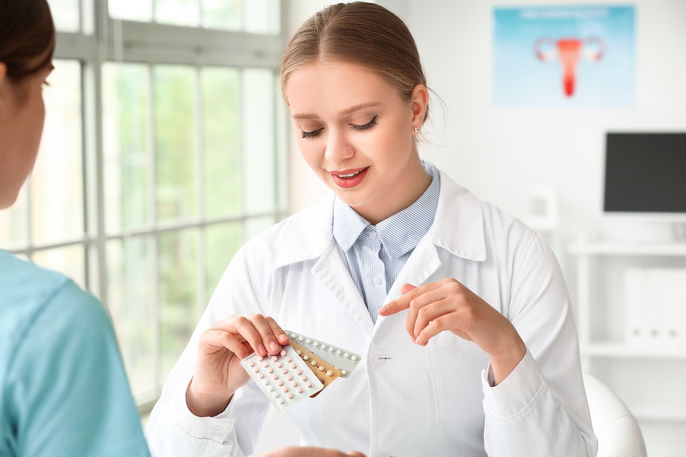
Main birth control pills for acne
The main FDA-approved birth control pills for acne in the US are:
1. Drospirenone + ethinyl estradiol
Birth control for pimples or acne that contains drospirenone + ethinyl estradiol can help prevent pregnancy and treat moderate acne in eligible females who have started menstruating and also want an oral contraceptive.
Drospirenone has antiandrogenic effects, which means it can help reduce androgen-related sebum production. This can help decrease oily skin, acne lesions, and the formation of new pimples.
This birth control pill is usually available in packs containing 28 tablets, commonly with 24 active tablets and 4 inactive tablets.
Brand names: drospirenone + ethinyl estradiol may be found under the brand name Yaz or as generic equivalents.
2. Drospirenone + ethinyl estradiol + levomefolate calcium
Drospirenone + ethinyl estradiol + levomefolate calcium is another combined oral contraceptive approved in the US for moderate acne in eligible females who also want birth control.
This option contains the same estrogen and progestin combination used in some other acne-approved birth control pills, with added levomefolate calcium, a form of folate. It may help reduce acne by lowering androgen-related effects on the skin and decreasing sebum production.
This birth control pill is usually available in 28-tablet packs, with 24 active tablets containing hormones and levomefolate calcium, followed by 4 tablets containing levomefolate calcium only.
Brand names: drospirenone + ethinyl estradiol + levomefolate calcium may be found under the brand name Beyaz or as generic equivalents.
3. Norgestimate + ethinyl estradiol
Norgestimate + ethinyl estradiol is a combined oral contraceptive that may be used to treat moderate acne in eligible females who have started menstruating, have no contraindications to oral contraceptives, and also want birth control.
This medication can help reduce acne by regulating hormone activity that contributes to oily skin and clogged pores. It is generally considered when topical acne treatments have not worked well enough.
This birth control pill is usually available in 28-tablet packs, with 21 active tablets and 7 inactive tablets.
Brand names: norgestimate + ethinyl estradiol may be found under the brand name Ortho Tri-Cyclen or as generic equivalents.
4. Norethindrone acetate + ethinyl estradiol + ferrous fumarate
Norethindrone acetate + ethinyl estradiol + ferrous fumarate is a combined oral contraceptive that may be used to treat moderate acne in eligible females who have started menstruating, want oral contraception, and have not improved enough with topical acne medications.
This medication contains norethindrone acetate, a progestin, and ethinyl estradiol, an estrogen. The ferrous fumarate tablets are inactive reminder tablets and do not treat acne.
This birth control pill is usually available in 28-tablet packs, with active hormone tablets followed by reminder tablets containing ferrous fumarate.
Brand names: norethindrone acetate + ethinyl estradiol + ferrous fumarate may be found under the brand name Estrostep Fe or as generic equivalents.
When to use birth control for acne
Birth control pills may be an option to control pimples in some women, especially in cases of:
-
Acne that has not improved with topical products, such as tretinoin, adapalene, benzoyl peroxide, or antibiotics;
-
Desire to use a contraceptive method while also helping to control pimples;
-
Pimples that worsen or become more inflamed during the premenstrual period;
-
Acne caused by a condition that increases androgen levels in the body, such as polycystic ovary syndrome.
Because birth control pills change hormone levels in the body, a gynecologist should be consulted before starting use.
In addition, birth control pills can cause side effects such as nausea, breast pain or tenderness, headache, mood changes, or bleeding outside the menstrual period. Regular follow-up with a gynecologist is always recommended.
How they work
The birth control pills most commonly used to help treat acne work by decreasing sebum production in the sebaceous glands. They may also help reduce follicular hyperkeratinization and the growth of acne-causing bacteria, known as Cutibacterium acnes.
Birth control for acne can also reduce inflammation, which may improve the appearance of the skin and decrease the appearance of new pimples.
Can stopping birth control cause acne?
It is very common for women who stop using birth control to notice oilier skin and the appearance of pimples. In these cases, face-cleansing products that help control oiliness, such as lotions or cleansers sold in pharmacies, may be used.
If symptoms are very intense, a dermatologist should be consulted for a skin evaluation and a more individualized treatment plan.
When birth control should not be used
The use of combined birth control pills is contraindicated in cases of:
-
Pregnancy;
-
Children;
-
Men;
-
Smoking in women over 35 years old;
-
High blood pressure that is uncontrolled or associated with vascular disease;
-
Unexplained vaginal bleeding;
-
Uncontrolled diabetes or diabetes with vascular disease;
-
Previous history of thrombosis, heart attack, or stroke;
-
Previous personal or family history of conditions that increase blood clotting;
-
Breast cancer or another estrogen- or progestin-sensitive cancer;
-
Liver tumors or liver disease;
-
Very severe migraines or migraines with aura.
In addition, birth control should not be used by people with hypersensitivity to any component of the birth control formula.