


Back acne can develop when hormonal changes increase oil production in this area. Excess oil can clog and inflame pores, creating conditions that allow bacteria to grow.
This type of acne is more common in teenagers. It may appear as rounded bumps on the skin, and some bumps may contain pus.
A dermatologist should be consulted when there are many pimples on the back. Treatment may include soaps or body washes with salicylic acid, sulfur, or benzoyl peroxide to reduce oiliness, as well as topical antibiotics or oral medications in more severe cases.
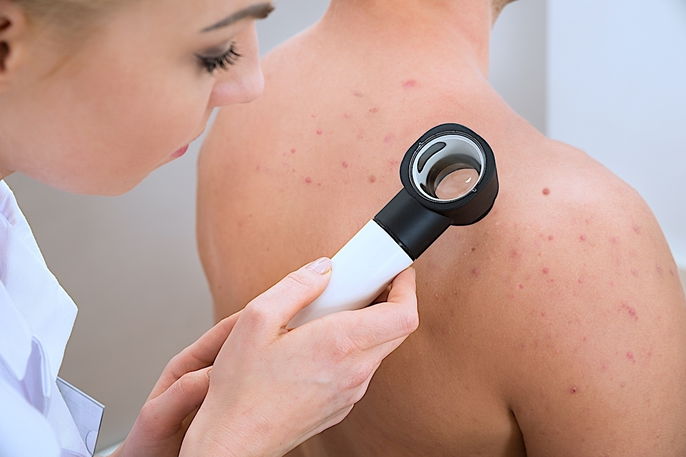
Symptoms of back acne
The main symptoms of back acne are:
-
Blackheads, which are black or white spots on the skin;
-
Rounded, firm, red bumps on the skin;
-
Small bumps that may contain pus;
-
Solid, painful nodules under the skin;
-
Large, painful nodules with pus.
In addition, back acne can cause embarrassment and affect self-esteem.
For this reason, it is important to see a dermatologist whenever symptoms appear. This allows the cause to be evaluated, the type of acne to be diagnosed, and the most appropriate treatment to be started.
How to confirm the diagnosis
Back acne is diagnosed by a dermatologist through an evaluation of the skin and the characteristics of the pimples.
The doctor should also assess family history of acne, personal health history, and medication use. Tests may also be ordered to evaluate hormone levels in the body.
Schedule an appointment with the nearest dermatologist so that back acne can be evaluated and the best treatment can be recommended:
Possible causes
Back acne is caused by excess oiliness of the skin, which can clog hair follicles and lead to inflammation or bacterial growth, such as Cutibacterium acnes.
Some factors can increase the risk of developing back acne, such as:
-
Age, as it is more common in teenagers due to hormonal changes during this stage;
-
Family history of acne;
-
Hormonal changes during pregnancy or menstruation;
-
Use of medications, such as corticosteroids, antidepressants, oral contraceptives, or antiepileptic drugs;
-
Stress;
-
A diet rich in fried foods, fatty meats, or excess sugar.
In addition, excessive sweating or wearing very tight shirts can also contribute to back acne.
How treatment is done
The main treatments that may be recommended by a doctor are:
1. Daily skin care
Daily skin care helps clear back acne and prevent new pimples from forming. The main recommendations are:
-
Shower every day, especially after exercising or sweating;
-
Exfoliate the back 1 to 2 times per week to help unclog pores and keep the skin healthier and cleaner;
-
Apply skin-cleansing toners daily to reduce oiliness and help prevent pimples;
-
Avoid wearing very tight shirts or T-shirts, as they can rub against the skin and contribute to pimples;
-
Trim back hair, in men, as hair can trap dirt and increase skin oiliness.
In addition, an oil-free sunscreen with at least SPF 30 should be applied every day.
2. Medications
Treatment for back acne should preferably be done with topical products, such as lotions or creams with ingredients that dry out and help prevent pimples, as recommended by a dermatologist.
Some medication options for back acne that may be recommended by a doctor are:
-
Anti-acne soaps or body washes with salicylic acid, sulfur, or benzoyl peroxide, for example, which help control and fight the appearance of pimples;
-
Antibiotic or anti-inflammatory lotions and creams, such as benzoyl peroxide, salicylic acid, or azelaic acid, for example;
-
Retinoids, such as isotretinoin capsules, or adapalene or tretinoin for topical use;
-
Antibiotics such as doxycycline or minocycline;
-
Topical antiandrogens, such as clascoterone cream.
In addition, for women, combined oral contraceptives containing estrogen and a progestin may be recommended.
Also recommended: Acne Treatment: 10 Oral & Topical Medications (Plus Home Remedies) tuasaude.com/en/acne-treatment3. Dietary care
A balanced diet that provides all necessary nutrients can help regulate hormones, reducing the oiliness that causes pimples. It can also help regulate mood, weight, and blood fat levels, for example.
4. Cosmetic procedures
Some cosmetic procedures may also be recommended by the doctor, such as radiofrequency, phototherapy with special lights, laser, and intense pulsed light, for example. These treatments can help treat and eliminate back acne.
Home treatment options
Home treatment for back acne can complement the treatment prescribed by a dermatologist and help prevent acne from returning in this area. To do this, you should:
-
Exfoliate the back 2 times per week with a loofah or exfoliating product;
-
Drink at least 1.5 L of water per day to keep the skin hydrated;
- Avoid foods high in sugar and fat, as well as processed foods, such as canned foods and processed meats, carbonated drinks, and alcohol;
-
Use an oil-free moisturizer for acne-prone skin every day;
-
Choose an oil-free sunscreen when exposed to the sun;
-
Avoid squeezing pimples, as this can infect the skin and worsen the problem.
In addition, cleansing the skin with a gentle, noncomedogenic cleanser at least once a day can help reduce internal pimples and enhance treatment.
