


The Ayurvedic diet is a personalized eating pattern focused on improving digestion and balancing physical and emotional health, helping to prevent conditions like diabetes, high blood pressure, and obesity.
Based on the principles of Ayurvedic medicine, this diet also can also help with weight loss because it prioritizes healthy and natural foods like grains, fruits, vegetables, and lean protein.
The Ayurvedic diet is designed around the concept of doshas, which are energy principles that promote balance of the mind and body. The three doshas are called Pitta, Kapha, and Vata. As part of this diet, foods are either prioritized or avoided based on the dominant dosha of each person.
How to follow the diet
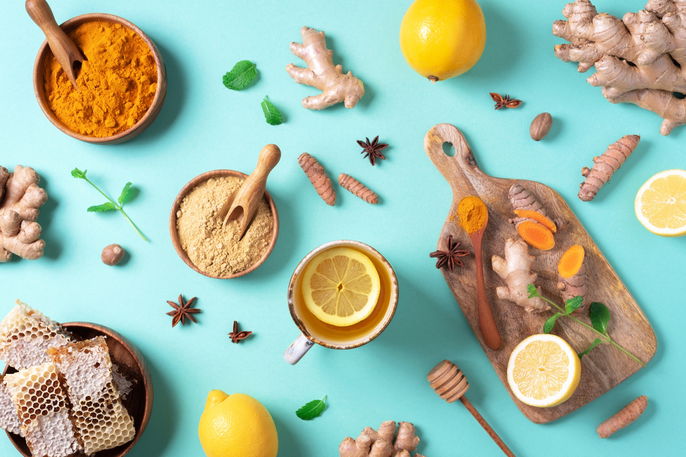
The Ayurvedic diet prioritizes healthy foods like grains, legumes, fruits, vegetables, nuts, dairy products, lean protein, herbs, and spices.
It is also recommended to avoid consuming ultraprocessed foods like soft drinks, pizza, french fries, packaged snacks, and ice cream.
An Ayurvedic diet should be individualized according to the dominant Dosha of each person, which will determine which foods should be prioritized to promote balance of the mind and body.
While the Ayurvedic diet is healthy, it is important to stress that further studies need to be done to confirm the benefits of this diet.
Foods to include
Foods to include as part of an Ayurvedic diet vary based on the dominant dosha of each person.
1. Pitta dosha
People with a dominant Pitta dosha should consume foods like:
- Protein: small quantities of poultry, tofu, and egg whites;
- Dairy products: milk, ghee, and butter;
- Ripe and sweet fruits: oranges, pears, bananas, pineapple, melon, coconut, and mango;
- Sweet and bitter vegetables: cabbage, cauliflower, celery, cucumbers, zucchini, sweet potatoes, carrots, squash, and Brussels sprouts;
- Legumes of any type: chickpeas, lentils, black beans, and purple beans;
- Grains: barley, white rice, pasta, and bread;
- Nuts and seeds: pumpkin seeds, sunflower seeds, and flaxseed;
- Herbs and spices: black pepper, cumin, cinnamon, cilantro, dill, and turmeric.
People with a dominant Pitta dosha should prioritize cold or hot foods with bitter, sweet, and astringent flavors.
2. Kapha dosha
People with a dominant Kapha dosha should consume foods like:
- Protein: small quantities of poultry, seafood, and egg whites;
- Dairy products: skim milk, goat milk, and soy milk;
- Fruit: apples, pears, and pomegranates, and dried fruits like raisins, figs, and prunes;
- Vegetables: green leafy vegetables, onions, potatoes, mushrooms, okra, and radishes;
- Legumes: lentils, black beans, and white beans;
- Grains: oats, rye, buckwheat, corn, and barley;
- Nuts and seeds: pumpkin seeds, sunflower seeds, and flaxseed;
- Herbs and spices of any kind: cumin, black pepper, turmeric, ginger, cinnamon, basil, oregano, and thyme.
In addition, it is recommended to prioritize warm foods with sour, bitter, and astringent flavors.
3. Vata dosha
People with a dominant Vata dosha should prioritize foods like:
- Protein: small quantities of poultry, seafood, and tofu;
- Dairy products: milk, butter, yogurt, cheese, and ghee;
- Ripe and sweet fruits: bananas, mangoes, strawberries, peaches, and plums;
- Cooked vegetables: beets, sweet potatoes, onions, carrots, and green beans;
- Legumes: lentils, chickpeas, and mung beans;
- Grains: cooked oats and rice;
- Nuts and seeds of any kind: walnuts, Brazil nuts, chia seeds, flaxseed, and sunflower seeds;
- Herbs and spices: cardamom, ginger, cumin, basil, cloves, oregano, thyme, black pepper.
In addition, it is important to eat foods that are well-cooked, warm, and juicy (like soups and broths) and have a salty, sweet, or sour taste.
Foods to avoid
Processed foods, alcoholic beverages, and red meat should be avoided as part of the Ayurvedic diet. Other foods should also be avoided depending on the dominant dosha.
1. Pitta dosha
People with a dominant Pitta dosha should avoid seafood and egg yolks; dairy products like cream and cheese; unripe and sour fruit like grapes, apricots, grapefruit, and red fruits; vegetables like beets, tomatoes, and onions; and grains like brown rice, corn, and rye.
In addition, it is recommended to avoid excess salt, fermented foods, white sugar, honey, brown sugar, and coffee.
2. Kapha dosha
People with a dominant Kapha dosha should avoid egg yolks and shrimp; fruits like bananas, coconut, mangoes, and fresh figs; vegetables like sweet potatoes, tomatoes, zucchini, and cucumbers; and grains like rice and wheat.
It is also important to avoid eating too much fat and sugar as well as frozen foods like ice cream.
3. Vata dosha
People with a dominant Vata dosha should avoid consuming unripe fruits; dried fruits like raisins, prunes, and apricots; raw, cold, or dried vegetables; legumes like soy, black beans, purple beans, and white beans; and grains like barley, wheat, corn, and quinoa.
It is also important to avoid cold and frozen foods, sugar, and caffeinated beverages like coffee, green tea, and yerba mate.
Main benefits
The main benefits of the Ayurvedic diet for your health are:
- Supporting weight loss by prioritizing healthy foods like grains, fruits, vegetables, and lean proteins;
- Preventing diseases like diabetes, obesity, and high blood pressure due to foods rich in vitamins, fiber, minerals, and antioxidants that improve health in general.
Furthermore, by promoting balance in the body and mind, the Ayurvedic diet also helps boost mood, reduce anxiety, increase energy levels, and improve well-being in general.
Other tips
Some other guidelines for following the Ayurvedic diet include:
- Avoiding swapping meals for sandwiches;
- Eating mindfully, being aware of the effect of certain foods on your body and mind;
- Sleeping between 7 and 9 hours a night;
- Being mindful of portions and the quality of the foods you are eating;
- Eating slowly and chewing your food well;
- Drinking lots of water between meals.
Engaging in regular physical exercise, seeking out good company, living in quiet environments, reading good books, and developing habits that promote balance (like yoga and meditation) are also recommended.