


Atypical pneumonia is a lung infection caused by bacteria that are less common than those responsible for traditional pneumonia. These microorganisms include Mycoplasma pneumoniae, Legionella pneumophila, and Chlamydophila pneumoniae.
Common symptoms usually involve a persistent dry cough, a low-grade fever, and general feelings of fatigue or malaise. Because this condition is contagious, it can spread easily through contact with respiratory droplets from an infected individual.
Most people can recover at home by prioritizing rest, staying hydrated, and taking antibiotics prescribed by a healthcare provider. However, doctors may sometimes need to adjust the medication if the infection does not respond to the initial treatment.
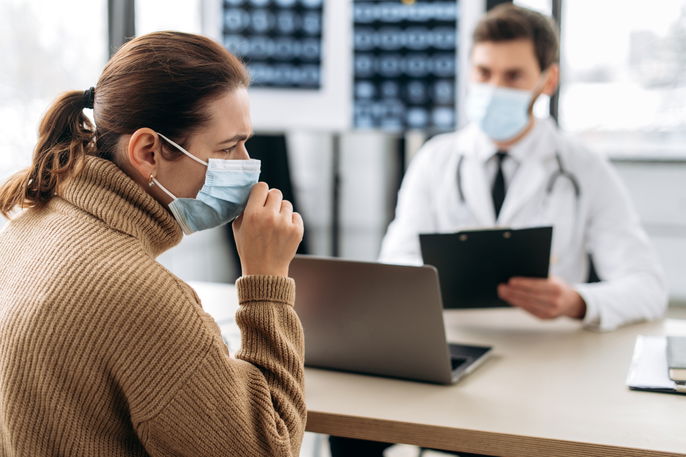
Main symptoms
The primary symptoms associated with atypical pneumonia include:
-
Dry or persistent cough
-
Low-grade fever
-
General malaise, fatigue, and weakness
-
Headaches, muscle aches, or joint pain
-
Chills
-
Discomfort when taking deep breaths
-
Mild shortness of breath
Symptoms typically develop gradually and may involve areas outside the lungs. Depending on the specific bacteria involved, a person might also experience ear pain, eye soreness, skin rashes, diarrhea, or vomiting.
How a diagnosis is confirmed
A primary care physician or a pulmonologist typically diagnoses atypical pneumonia by reviewing your medical history and performing a physical exam. They will evaluate your specific symptoms to determine the likely cause of the infection.
The doctor may also ask about recent travel or exposure to environments where the risk of contagion is higher.
To confirm the diagnosis, various laboratory tests may be ordered, such as a complete blood count (CBC), blood cultures, or sputum samples. Specific diagnostic tests like PCR or serology for Mycoplasma or Chlamydia can pinpoint the exact microorganism.
Additionally, imaging tests such as a chest X-ray or CT scan are used to identify irregular patterns or infiltrates in the lungs that are characteristic of this infection.
Possible causes
Atypical pneumonia is caused by infection from specific bacteria, including:
-
Mycoplasma pneumoniae
-
Chlamydophila pneumoniae
-
Legionella pneumophila
-
Chlamydia psittaci
-
Coxiella burnetii
-
Francisella tularensis
These are labeled atypical because typical pneumonia is usually caused by different germs, most commonly Streptococcus pneumoniae.
How it spreads
Atypical pneumonia spreads through respiratory droplets released when an infected person coughs or sneezes. To prevent spreading the illness to others, it is vital to cover your mouth with a tissue or wear a mask.
Because symptoms can take several days to appear, it is possible to transmit the infection before you even realize you are sick. This is especially true during bouts of coughing or sneezing.
Is atypical pneumonia contagious?
Yes, atypical pneumonia is contagious and primarily spreads through the air when an infected individual coughs or sneezes.
Those who live with or have close contact with an infected person are at a higher risk. These individuals should consult a doctor to see if they have been infected and if preventative treatment is necessary.
Treatment for atypical pneumonia
A healthcare professional will manage the treatment for atypical pneumonia and may recommend the following:
-
Antibiotics: Azithromycin or clarithromycin are common choices; doxycycline is often used as an alternative for adults.
-
Over-the-counter (OTC) medications: Acetaminophen or ibuprofen can help manage fever and pain.
-
Nebulizer treatments: These may be used to help clear the airways and make breathing easier.
-
Rest: Staying home helps the body recover and prevents the spread of the infection to the community.
-
Hydration: Drinking plenty of water, juice, or tea helps thin out mucus in the lungs.
Treatment usually lasts between 3 to 5 days, though some cases may require 14 to 21 days of medication. It is essential to finish the entire course of antibiotics, even if you start feeling better after a few days.
In some instances, your doctor might switch your antibiotic if the bacteria do not respond to the first drug. You should only use cough suppressants if specifically advised by your doctor, as they can make it harder for your body to clear mucus.
Signs that atypical pneumonia is worsening
If the treatment is not effective, you may notice a fever rising above 104°F (40°C) or increased difficulty breathing. Other warning signs include very rapid breathing or nasal flaring, where the nostrils widen during breaths.
If these signs occur, seek emergency medical care immediately. Hospitalization may be required for intravenous (IV) antibiotics, oxygen therapy, or respiratory physical therapy.
Signs of improvement
When the treatment is working, you will usually see a decrease in fever within four days. You should also notice that your energy levels are returning and it is becoming much easier to breathe.