


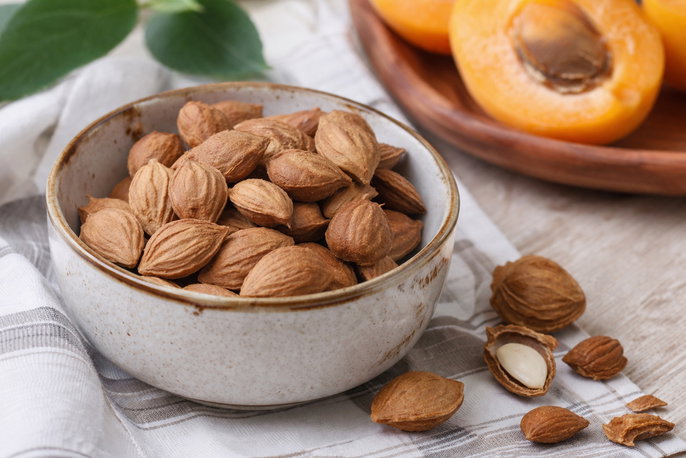
Apricot seeds are the small kernels found inside the hard pit of the apricot fruit. They have been used in traditional diets and in some natural remedies because of their unique composition.
These seeds contain nutrients such as healthy fats, protein, and plant compounds with antioxidant activity. Because of this, apricot seeds have gained attention for their possible health effects.
However, apricot seeds also contain a natural substance called amygdalin, which can release cyanide in the body. This makes it important to understand both their potential benefits and their risks before including them in the diet.
Health benefits
Apricot seeds contain several nutrients and bioactive compounds that may support health.
1. May provide antioxidant support
Apricot seeds contain compounds such as phenolics and flavonoids that help fight oxidative stress. These antioxidants may protect cells from damage caused by free radicals. This effect may support overall health and reduce inflammation.
2. May support heart health
Some studies suggest that apricot seeds may help improve lipid levels, including certain cholesterol markers. Their content of healthy fats may contribute to better cardiovascular function. However, more research is needed to confirm these effects in humans.
3. May have anti-inflammatory properties
Compounds found in apricot seeds may help reduce inflammation in the body. Animal studies have shown reduced inflammatory markers after consuming extracts. This may support conditions linked to chronic inflammation.
4. May provide essential nutrients
Apricot seeds contain protein, fiber, and healthy fats, along with minerals like potassium and magnesium. These nutrients are important for energy production, muscle function, and overall health. Even small amounts can contribute to daily nutrient intake.
Although apricot seeds contain beneficial compounds, their use must always be balanced with safety considerations due to their natural toxicity.
Nutritional information
The table below shows an approximate nutritional composition for 100 g of apricot seeds:
Because recommended intake is very small, actual nutrient intake per serving is much lower.
Recommended daily dose
Health authorities advise limiting apricot seed intake due to the risk of cyanide exposure.
For adults, some safety assessments suggest no more than 1 to 3 small apricot seeds per day. In many cases, regular consumption is not recommended.
Children, pregnant or breastfeeding individuals, and people with certain health conditions should avoid consuming apricot seeds.
Ways to eat
Apricot seeds are sometimes used in small amounts as a flavoring ingredient rather than a main food. Common uses include:
- Added to baked goods: Ground apricot seeds can be incorporated into cookies, cakes, or bread for a slightly nutty flavor.
- Used in spreads or pastes: They may be blended into marzipan-like pastes or mixed with nuts and seeds.
- Used as oil: Apricot kernel oil can be extracted and used in salad dressings or cooking.
Apricot seeds are sometimes marketed as a natural treatment for serious diseases, including cancer. However, major health organizations do not support these claims, and the risks outweigh any unproven benefits.
Because of the potential for toxicity, apricot seeds should be treated as a food with strict limits rather than a regular dietary ingredient.
Possible side effects
Apricot seeds can cause serious side effects due to their amygdalin content, which releases cyanide in the body.
Symptoms of toxicity may include headache, dizziness, nausea, vomiting, confusion, and difficulty breathing. In severe cases, it can lead to low blood pressure, loss of consciousness, or even death.
The risk increases with higher intake or frequent consumption.
Contraindications
Apricot seeds are not recommended for children due to their lower body weight and higher sensitivity to cyanide.
They should also be avoided during pregnancy and breastfeeding because of potential risks to the baby.
People with liver conditions, metabolic disorders, or those taking certain medications should avoid apricot seeds unless advised by a healthcare professional.
Recipes
Because apricot seeds should only be used in very small amounts, they are best included as a minor ingredient.
1. Apricot seed almond-style paste
Ingredients
-
1 to 2 crushed apricot seeds
-
1 cup almond flour
-
2 tablespoons honey
-
1 teaspoon water
Preparation
Mix all ingredients until a smooth paste forms. Use small amounts as a spread or dessert filling.
2. Baked goods flavor enhancer
Ingredients
-
1 crushed apricot seed
-
Muffin or cookie batter
Preparation
Add the crushed seed to any cookie batter before baking. This gives a mild nutty flavor while keeping intake low.