


Anti-inflammatory cream, such as those containing methyl salicylate or diclofenac sodium, can help relieve pain and reduce inflammation in muscles, tendons, and joints caused by bruises, arthritis, or muscle strain.
Other anti-inflammatory and pain-relieving creams, such as hydrocortisone, may be used to treat inflammation, redness, and itching caused by skin conditions such as eczema, dermatitis, and insect bites, as well as external hemorrhoids.
For short-term pain relief, these creams can be used as directed, but if symptoms persist or do not improve within one week, consult a healthcare provider to determine the best treatment for the underlying condition.
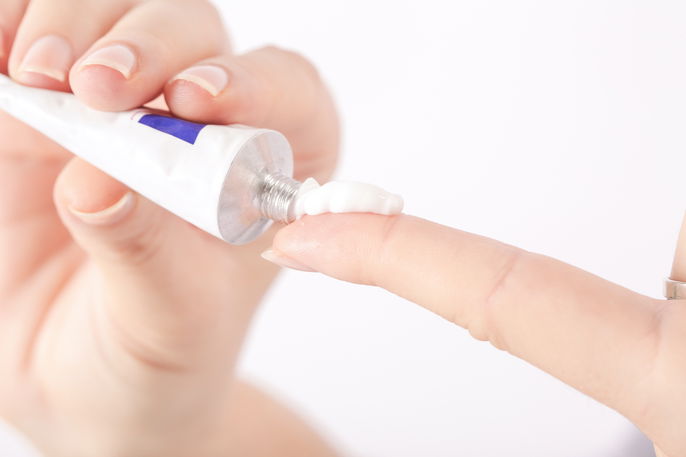
Common examples
Anti-inflammatory creams can help relieve pain and reduce inflammation. Some examples include:
1. Methyl salicylate
Methyl salicylate cream is both anti-inflammatory and analgesic, helping to relieve pain and inflammation in muscles, tendons, and joints. It can reduce redness, swelling, stiffness, and discomfort.
It is commonly combined with other ingredients such as camphor, menthol, or turpentine oil, and can be found under brand names like Bengay or Icy Hot.
Indications: This cream is used to relieve muscle or joint pain, neck pain, low back pain, bursitis, tendinitis, and arthritis.
How to use: Apply a small amount of the cream to the affected area and massage gently for a few minutes, 2 to 3 times per day, until symptoms improve or as directed by a doctor. Wash your hands afterward.
Avoid use in children under 12 years old unless directed by a healthcare provider. Do not use heating pads over the treated area, and avoid during pregnancy or breastfeeding due to the presence of camphor.
2. Diclofenac sodium 1%
Diclofenac sodium gel is an anti-inflammatory and analgesic medication used to relieve joint pain and inflammation caused by arthritis in adults.
This medication is available over the counter under the brand name Voltaren Arthritis Pain Gel, among others.
Indications: Diclofenac sodium gel is indicated for the relief of joint pain associated with osteoarthritis, particularly in the hands, wrists, elbows, knees, feet, or ankles.
How to use: Apply the gel using the provided dosing card to the affected joint 4 times daily. Massage gently until absorbed. Wash your hands afterward unless treating the hands. Use only on clean, dry skin and do not apply to wounds, rashes, or infected areas.
Do not use for more than 21 days without medical advice. This medication is approved for adults 18 years and older. Avoid use at 20 weeks or later during pregnancy unless directed by a healthcare provider.
Also recommended: Diclofenac: Uses, How to Take, Doses & Side Effects tuasaude.com/en/diclofenac3. Chamomilla recutita
Chamomilla recutita (German chamomile) is an herbal anti-inflammatory that helps reduce pain and swelling in the mouth and gums. It is included as an ingredient in some over-the-counter oral gels and rinses, however it is not FDA-approved to treat any specific medical conditions.
Indications: gingivitis, stomatitis, and irritation caused by ill-fitting dentures.
How to use: Apply to the affected area twice daily, morning and night, after brushing your teeth, or as recommended by your dentist.
4. Hydrocortisone 1%
Hydrocortisone 1% cream is a topical corticosteroid used to reduce inflammation, itching, and redness caused by eczema, dermatitis, allergic reactions, insect bites, and mild psoriasis. It helps the skin recover by calming the body's response to irritation.
It is sold over-the-counter as the generic "hydrocortisone 1%" and under the brand name Cortizone-10, among others.
Indications: relief of itching and inflammation from eczema, dermatitis, insect bites, poison ivy, and minor rashes.
How to use: Apply a small amount to the affected skin 1 to 4 times daily, as needed or as directed by a doctor. Rub in gently and wash your hands after application unless you are treating your hands.
Do not use on broken or infected skin, on the face or in children under 2 years old (unless directed by a healthcare provider). Use in pregnancy or breastfeeding only as directed by a doctor.
5. Hydrocortisone cream for hemorrhoids
Hydrocortisone cream is used for temporary relief of pain, itching, and swelling from external hemorrhoids. It reduces inflammation at the site of irritation and soothes discomfort.
Common brand names include Preparation H Hydrocortisone Cream and Anusol HC.
Indications: relief of itching, swelling, redness, and pain caused by external hemorrhoids.
How to use: Apply a thin layer to the affected area up to 4 times daily (morning, night, and after bowel movements), or as instructed by a healthcare provider. Wash your hands after use and avoid using inside the rectum unless directed by your doctor.
Do not use in children under 12 years unless directed by a pediatrician, and follow medical advice if pregnant or breastfeeding.
Check out how to get rid of hemorrhoids.
Side effects
Common side effects of anti-inflammatory creams may include mild skin irritation, burning, itching, redness, or peeling.
Stop using the product and seek immediate medical attention if you develop signs of an allergic reaction such as difficulty breathing, throat tightness, swelling of the mouth, tongue, or face, or hives.
Contraindications for use
Anti-inflammatory creams should not be used by infants or young children or people who are pregnant or breastfeeding (unless prescribed).
People allergic to NSAIDs or with asthma, hives, or rhinitis triggered by NSAIDs, should not use diclofenac sodium. Anyone with an allergy to any of the ingredients in an anti-inflammatory cream should not use it.
These creams should not be applied to open wounds, cuts, or infected, inflamed, or acne-prone skin. They are intended for external use only.