


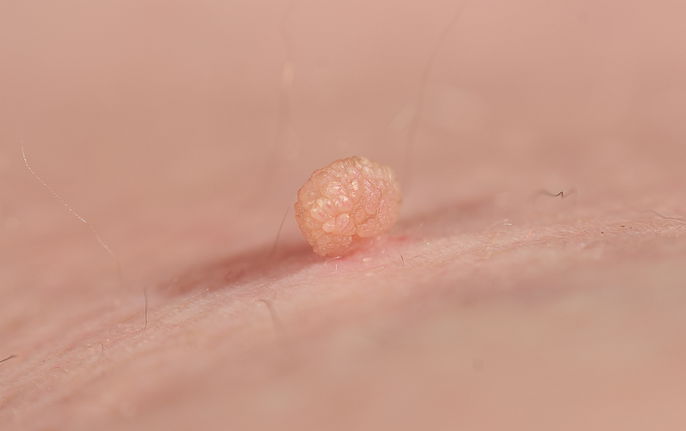
An anal skin tag is a benign skin protrusion located on the external portion of the anus. It can be easily mistaken for a hemorrhoid. However, it is generally not associated with any symptoms. In some cases, it can cause itching or make it difficult to clean the area, increasing the risk for infections.
Anal skin tags are usually small, flesh-colored or slightly darker than the surrounding skin, and range in size from a few millimeters up to 2 centimeters. They are soft, usually painless, and may be single or multiple. Unlike hemorrhoids, they typically do not bleed spontaneously.
Treatment is not always necessary for anal skin tags. However, very large tags or those that cause discomfort can be removed with laser, surgery, electrocautery, or cryotherapy.
Common symptoms
Anal skin tags are characterized by a protrusion of skin that hangs on the outside of the anus. They generally do not cause pain or have significant symptoms. However, in some cases, they may cause discomfort. Common symptoms include:
-
Itching and irritation, especially after wiping or cleaning.
-
Hygiene difficulties that make it hard to clean the area properly after bowel movements.
-
A feeling of dampness or swelling around the anus.
-
Discomfort or tenderness when irritated by clothing friction.
-
Occasional bleeding if the skin tag is accidentally injured.
-
Cosmetic concerns or psychological distress due to appearance.
Although usually harmless, anal skin tags can lead to inflammation or infections if hygiene becomes compromised.
Possible causes
The main causes of anal skin tags include:
-
Previous external hemorrhoids, as the stretched skin may not return to its original shape after swelling subsides.
-
Chronic anal fissures, often with associated sentinel tags.
-
Hard stools and chronic constipation that cause repeated stretching.
-
Mechanical irritation from excessive wiping or friction from clothing.
-
Pregnancy and childbirth due to hormonal changes and increased pressure.
-
Inflammatory bowel diseases like Crohn’s disease, which is associated with anal skin tags in up to 70% of patients with perianal Crohn’s.
-
Local irritations such as mycoses, dermatitis, or anal eczema.
-
Post-surgical complications from procedures in the anal region.
-
Prolonged sitting or heavy lifting that increases perianal pressure.
These factors may cause persistent inflammation or trauma to the anal region, leading to localized swelling and the formation of permanent skin tags once the inflammation subsides.
Treatment options
In most cases, treatment for anal skin tags is not necessary, especially if they are asymptomatic. Conservative management is the first-line approach. Surgical removal is usually recommended only if symptoms are bothersome, hygiene is difficult, or there are cosmetic concerns.
1. Conservative management
Gentle cleaning with water after bowel movements, avoiding the use of harsh soaps or chemicals, can help reduce irritation. It is recommended to use soft, unscented toilet paper or pre-moistened wipes and gently pat the area dry instead of rubbing. Barrier creams or zinc paste can also be applied temporarily to relieve irritation.
2. Surgical excision
Surgical excision is performed under local anesthesia using a scalpel or surgical scissors. This method allows precise removal with a lower chance of recurrence. Healing generally occurs naturally within two to six weeks.
3. Electrocautery
Electrocautery removes the skin tag using a high-frequency electrical current that simultaneously seals blood vessels. This approach has the advantage of minimal bleeding and quick results, although it may cause more discomfort and has a higher potential for scarring.
4. Cryotherapy
Cryotherapy uses liquid nitrogen to freeze the skin tag, causing it to shrivel and fall off. This technique causes minimal discomfort and typically does not require anesthesia for small tags, although larger tags may need multiple sessions.
5. Laser treatment
Laser treatment employs advanced laser systems to remove the tag with minimal bleeding and faster healing. This approach offers excellent cosmetic results, though it is generally more expensive and requires specialized equipment.
The choice of treatment depends on the size and number of tags, patient preference, the presence of symptoms, and any underlying conditions such as Crohn’s disease.
How to prevent
Prevention strategies for anal skin tags focus on avoiding constipation, maintaining good perianal hygiene, and reducing mechanical irritation. It is important to maintain soft stools by eating a high-fiber diet with plenty of fruits, vegetables, and whole grains, as well as drinking 8–10 glasses of water daily. Avoiding excessive straining during bowel movements and heavy lifting is also recommended.
Cleaning the anus gently with plain water and avoiding harsh soaps or perfumed products can help reduce irritation. Soft, unscented toilet paper or pre-moistened wipes should be used, and the area should be thoroughly dried by patting rather than rubbing.
Wearing loose-fitting, breathable underwear and avoiding tight clothing can reduce friction. Managing hemorrhoids and inflammatory bowel disease promptly can further reduce the risk of developing anal skin tags. For pregnant individuals, preventing constipation and monitoring for hemorrhoids are additional preventive measures.