


Acne vulgaris is a common skin condition that develops when hair follicles become blocked with oil and dead skin cells. It can cause clogged pores, inflamed pimples and deeper lumps, most often on the face, chest, shoulders and back.
Symptoms can range from mild blackheads and whiteheads to painful nodules or cysts. Acne may also leave dark marks or permanent scars and can affect emotional well-being, especially when it is severe or lasts for a long time.
Treatment depends on the types of lesions, their severity and the risk of scarring. Options include topical medicines, oral antibiotics, hormonal treatments, isotretinoin and, in selected cases, light-based or other dermatologic procedures.
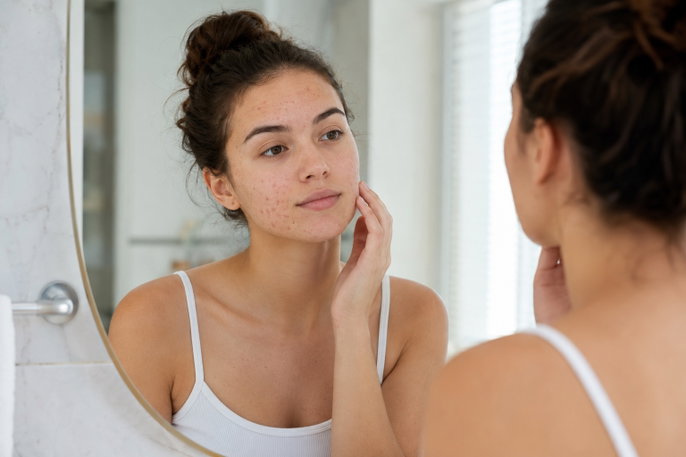
Main symptoms
Acne vulgaris can cause several types of skin lesions, which may appear alone or together. The most common symptoms include:
-
Blackheads, which are open clogged pores that look dark at the surface
-
Whiteheads, which are closed clogged pores covered by a thin layer of skin
-
Papules, which are small, raised and inflamed bumps
-
Pustules, which are inflamed pimples containing visible pus
-
Nodules, which are large, firm and painful lumps under the skin
-
Cysts, which are deep, painful lesions that may contain fluid or pus
-
Redness and tenderness around affected areas
-
Dark spots after a pimple heals, especially in people with darker skin tones
-
Permanent scars, particularly after deep or severe acne
Acne commonly affects areas with many oil glands, including the face, forehead, chest, shoulders and upper back. Severe or persistent acne may also contribute to anxiety, depression, low self-esteem or social withdrawal.
Causes
Acne vulgaris is not contagious and does not spread from one person to another. It develops through changes inside the hair follicles, including excess oil, blocked pores, bacterial activity and inflammation.
1. Excess oil production
Sebaceous glands produce an oily substance called sebum, which helps protect the skin. During puberty and other periods of hormonal change, these glands may produce more sebum than the skin needs.
Excess oil can collect inside hair follicles and contribute to clogged pores. Hormonal conditions and certain medicines may also increase oil production or cause acne-like breakouts.
2. Blocked hair follicles
Skin cells normally shed from the lining of each hair follicle. In acne, these cells may build up and mix with sebum, forming a plug inside the follicle.
A plugged follicle may become a whitehead if the opening remains closed. When the follicle opens at the surface, it may form a blackhead.
3. Cutibacterium acnes and inflammation
Cutibacterium acnes is a bacterium that normally lives on the skin. When a follicle becomes blocked, changes inside the pore may encourage bacterial activity and trigger inflammation.
This inflammation can lead to red papules, pus-filled pustules, nodules or cysts. Acne is therefore related to changes in the skin microbiome and immune response rather than an infection passed between people.
4. Hormonal changes
Hormones called androgens can increase the size and activity of the sebaceous glands. This helps explain why acne often begins during puberty and may worsen during menstrual cycles or other hormonal changes.
Hormonal disorders can also contribute to acne in some people. Adult women may experience persistent acne along the jawline, chin or lower face.
5. Genetics
Acne may be more likely when close family members have also had the condition. Genetic factors can influence oil production, inflammation and the way skin cells behave inside the follicles.
A family history may also be associated with more persistent or severe acne. However, genetics is only one part of the condition and does not determine the outcome on its own.
6. Diet and lifestyle factors
Some studies suggest that high-glycemic foods, which quickly raise blood sugar, may worsen acne in certain people. Skim milk has also been associated with acne severity in some research, although diet is not the only cause.
Stress does not directly create clogged pores, but it may worsen inflammation or existing breakouts. Smoking and certain skin or hair products may also contribute to acne or comedonal lesions in some cases.
7. Medicines and environmental factors
Some medicines can cause or worsen acne-like eruptions. Products that block pores, friction from clothing or equipment, and repeated pressure on the skin may also contribute.
Oil-based cosmetics, skin care products or hair products may increase the risk of clogged pores. Products described as noncomedogenic are designed to be less likely to block hair follicles.
Confirming a diagnosis
Acne vulgaris is usually diagnosed through a skin examination. A doctor or dermatologist looks at the types of lesions present, such as blackheads, whiteheads, papules, pustules, nodules or cysts, as well as their location and severity.
The presence of comedones is an important finding because it helps distinguish acne from several other conditions that cause red or pus-filled bumps. The doctor may also assess inflammation, scarring, dark marks and the effect of acne on emotional well-being.
Medical history may help identify hormonal symptoms, medicines, skin products or other factors that could be contributing to the breakouts. Laboratory tests are not usually necessary, but they may be considered when signs suggest an underlying hormonal disorder or another medical condition.
Treatment options
Treatment aims to clear existing lesions, prevent new breakouts and reduce the risk of dark marks and scars. Several treatments are often combined because acne develops through more than one process.
1. Topical retinoids
Topical retinoids help prevent skin cells from building up inside the hair follicles. They are commonly used for blackheads, whiteheads and inflammatory acne and may also help maintain clearer skin after other treatments are completed.
These medicines can cause dryness, peeling or irritation, especially during the first weeks of use. Treatment is usually started gradually to improve tolerance.
2. Benzoyl peroxide
Benzoyl peroxide reduces acne-causing bacteria and helps treat inflammatory lesions. It is often combined with a topical retinoid or an antibiotic.
Using benzoyl peroxide with an antibiotic may reduce the risk of antibiotic resistance. It can irritate the skin and may bleach hair, towels or clothing.
Also recommended: Adapalene and Benzoyl Peroxide Gel (for Acne Treatment) tuasaude.com/en/adapalene-and-benzoyl-peroxide-gel3. Topical antibiotics
Topical antibiotics help reduce bacteria and inflammation. They are generally used together with benzoyl peroxide rather than alone.
This combination improves treatment and helps limit bacterial resistance. Topical antibiotics are usually prescribed for a limited period.
4, Oral antibiotics
Oral antibiotics may be prescribed for moderate or severe inflammatory acne. They are generally used for the shortest appropriate period and combined with benzoyl peroxide and a topical retinoid.
Treatment should be reviewed regularly because long-term antibiotic use can contribute to resistance. Topical treatment is often continued after the oral antibiotic is stopped.
5. Hormonal treatment
Combined oral contraceptives may help treat acne in some women by reducing the hormonal stimulation of oil glands. An antiandrogen medicine may also be considered in selected cases.
Hormonal treatment may be especially useful for acne that follows a menstrual pattern or affects the lower face and jawline. The choice of medicine depends on medical history, possible side effects and pregnancy-related considerations.
6. Oral isotretinoin
Isotretinoin is a strong oral retinoid used for severe acne, acne that causes scarring or acne that does not respond to standard treatment. It reduces oil production, clogged follicles, bacterial activity and inflammation.
The medicine requires medical monitoring because it can cause important side effects. It can cause severe birth defects, so strict pregnancy-prevention measures are required for anyone who could become pregnant.
7. Procedures and light-based treatments
Dermatologic procedures may be considered in selected cases, particularly when standard treatment is not effective or when scars require treatment. Options may include chemical peels, light or laser therapies and procedures that treat individual lesions.
The evidence and expected results vary depending on the procedure. These approaches are usually considered additions to, rather than replacements for, established acne medicines.
How to prevent breakouts
Acne cannot always be prevented because hormones, genetics and other internal factors may contribute. However, gentle skin care and consistent treatment may reduce new lesions and prevent acne from becoming more severe.
Helpful measures include:
-
Washing affected skin gently without harsh scrubbing
-
Using noncomedogenic skin care, sunscreen, cosmetics and hair products
-
Removing makeup before sleeping
-
Avoiding squeezing, picking or popping pimples
-
Limiting repeated friction or pressure on acne-prone skin
-
Following prescribed treatment consistently
-
Continuing maintenance treatment when recommended
-
Reviewing medicines or products that may be worsening acne with a healthcare professional
Dietary changes may help some people, but no single diet prevents acne in everyone. Any food-related pattern is best evaluated alongside established medical treatment rather than used as a replacement for it.
When to see a doctor
Medical evaluation is recommended when acne is painful, widespread, causing nodules or cysts, leaving scars or not improving with nonprescription treatment. A doctor should also assess acne that begins suddenly, becomes severe or appears together with signs of a hormonal disorder.
Professional support may be especially important when acne causes anxiety, depression, embarrassment or social withdrawal. Early and appropriate treatment can help control breakouts and reduce long-term skin and emotional complications