


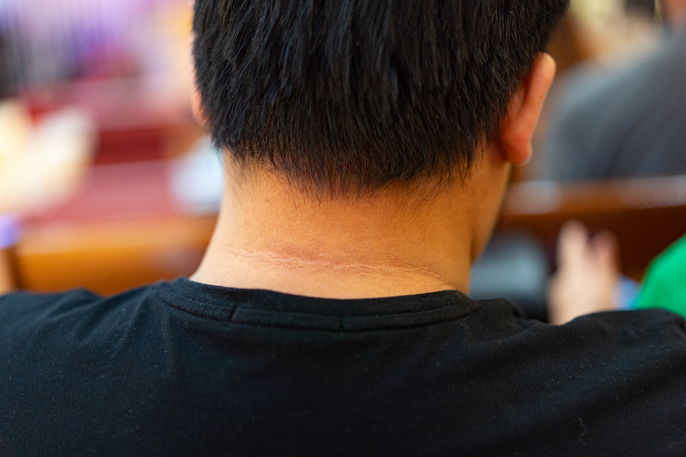
Acanthosis nigricans is a condition marked by dark, velvety patches that commonly develop on areas like the neck and armpits. In most cases, these skin changes are linked to hormonal imbalances, especially insulin resistance. Because of this connection, acanthosis nigricans often appears alongside metabolic or endocrine disorders.
This condition is relatively common and can affect both adults and children. Many people first notice it because the skin becomes darker, thicker, or slightly rougher in certain areas. While the patches themselves are not dangerous, they can signal underlying health issues that need attention.
For that reason, it is important to work with a healthcare provider to identify what is causing acanthosis nigricans. Treatment usually focuses on the underlying condition, and in some cases, medications or procedures may help lighten the skin.
Main symptoms
The main symptoms of acanthosis nigricans include:
-
Brown or dark areas on the skin
-
Thickened skin in the affected spot
-
A velvety texture
-
Occasional itching
-
Formation of dark plaques
These symptoms usually appear on the neck and armpits, but they can also show up in the groin, knees, elbows, or genital area. The dark patches tend to be symmetrical, feel slightly velvety, and may itch at times, though itching is not always present.
Learn more about what can cause brown spots on the skin and how to treat them.
Confirming a diagnosis
A dermatologist or primary care provider typically diagnoses acanthosis nigricans through a skin exam and a review of your medical history and medications.
Your doctor may also order tests to help identify what is causing the condition. These can include blood work such as a complete blood count, blood sugar levels, thyroid hormone levels, or even a skin biopsy when needed.
Possible causes
The main causes of acanthosis nigricans include:
-
Genetic predisposition
-
Uncontrolled diabetes or insulin resistance
-
Polycystic ovary syndrome or Cushing syndrome
-
Obesity
-
Metabolic syndrome
-
Addison disease
-
Thyroid disorders
Long-term use of certain medications, such as oral contraceptives, corticosteroids, and growth hormone, can also raise insulin levels in the body, which may contribute to the development of acanthosis nigricans.
Autoimmune conditions such as systemic lupus erythematosus, scleroderma, Hashimoto thyroiditis, and Sjögren syndrome may also be associated with this condition.
Treatment options
Treatment for acanthosis nigricans depends on the underlying cause, which should be evaluated by a primary care provider or endocrinologist. Managing the root issue often leads to improvement in the skin.
Along with medical treatment, maintaining healthy habits, such as balanced eating and regular physical activity, can support better outcomes.
1. Medications for acanthosis nigricans
Your doctor may recommend medications such as:
-
Topical retinoids, which help lighten dark patches and may be used alone or combined with tretinoin, hydroquinone, and or fluocinolone acetonide
-
Topical vitamin D analogs, such as calcipotriene, which may reduce the appearance of dark skin by slowing keratinocyte growth
-
Oral retinoids, such as isotretinoin or acitretin, though these may require higher doses and longer treatment periods
-
Oral medications for blood sugar control when insulin resistance is contributing to acanthosis nigricans
-
Birth control pills for cases related to polycystic ovary syndrome, as they help regulate hormones, improve insulin resistance, and reduce skin changes
Lightening medications tend to work best when paired with treatment that addresses the underlying cause.
2. Chemical peeling
Chemical peels are another option that may help improve the appearance of darkened skin. These procedures use exfoliating agents, such as trichloroacetic acid, to remove the outer layer of skin.
This process stimulates skin repair and rejuvenation, which can gradually reduce dark patches.
Also recommended: Skin Discoloration: 8 Common Causes (& What to Do) tuasaude.com/en/skin-discoloration3. Home remedies
Some home remedies may help lighten the skin, such as applying a poultice made with licorice tea, using Aloe vera gel, or washing the area with diluted apple cider vinegar.