


- Abdominoplasty, or a tummy tuck, removes excess abdominal skin and fat and tightens weakened muscles to create a flatter, firmer abdomen.
- Recovery usually takes about 2 months, with swelling, pain, and bruising being most noticeable in the first days after surgery.
- Although generally safe, abdominoplasty can cause complications such as infection, fluid buildup, and scarring changes.
Abdominoplasty, also known as a tummy tuck, is a cosmetic plastic surgery used to reshape the abdomen in people who have lost a significant amount of weight or who develop loose abdominal skin after pregnancy. The goal is to improve the contour of the abdomen by removing excess tissue and tightening the area.
This procedure is performed by a plastic surgeon and involves removing excess fat and skin from the abdomen. This helps reduce sagging and can leave the abdomen looking flatter and firmer.
Abdominoplasty is usually performed as an elective cosmetic procedure by board‑certified plastic surgeons in accredited hospitals or outpatient surgical centers. In some cases after major weight loss, related procedures to remove excess skin may be covered by insurance if they meet strict criteria.
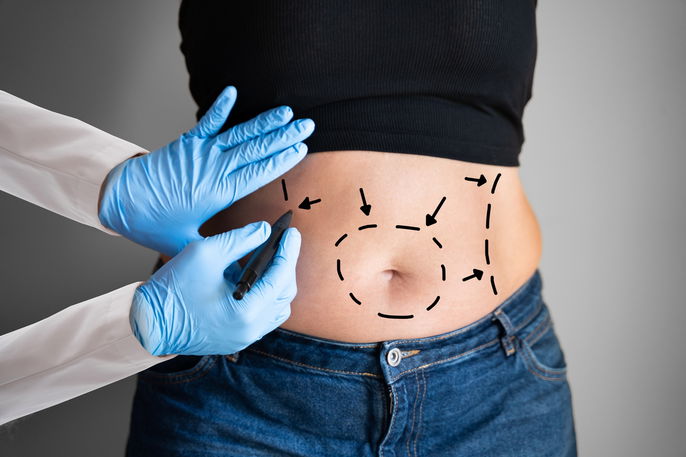
What is a tummy tuck?
Abdominoplasty (tummy tuck) may be used to:
-
Improve the appearance of the abdomen
-
Treat loose skin of the belly and abdominal wall after multiple pregnancies
-
Remove excess abdominal skin in people who have lost a significant amount of weight
Abdominoplasty can make the abdomen flatter and firmer because it removes excess skin and tightens weakened abdominal muscles. In some cases, it may also help remove stretch marks and scars in the treated area.
Read more about how to get rid of stretch marks using other cosmetic procedures, such as radiofrequency and microneedling.
In some cases, especially in thin people with only a small amount of localized fat, the surgeon may recommend liposuction alone or a mini abdominoplasty.
Preparing for surgery
Before having an abdominoplasty, it is important to have a preoperative evaluation to assess your risk of complications.
The plastic surgeon will usually order blood tests and perform a physical exam, and will also review risk factors such as smoking, obesity, older age, and medical conditions like diabetes, heart or lung disease, or cirrhosis.
Before surgery, you should avoid drinking alcohol, smoking, and taking medicines that can increase bleeding risk, such as aspirin or anti‑inflammatory drugs, following your doctor’s instructions.
Procedure steps
Abdominoplasty (tummy tuck surgery) is performed by a plastic surgeon in an accredited surgical facility or hospital, using intravenous (IV) sedation or general anesthesia, depending on the surgeon’s recommendation and the patient’s needs.
To perform abdominoplasty, the doctor follows these steps:
-
Marks the skin of the abdomen with a surgical pen
-
Administers recommended anesthesia
-
Cleans the skin with antiseptics
-
Makes an incision between the pubic hairline and the belly button so excess fat, tissue, and skin can be removed
-
Removes excess abdominal skin
-
Repairs weakened abdominal muscles
-
Creates an opening to reposition the belly button
-
Places a drain to collect excess blood and fluid
-
Closes the skin incision with stitches, skin adhesive, or surgical tape
-
Applies a dressing over the incision and wrap the area
According to the American Society of Plastic Surgeons (ASPS), abdominoplasty usually takes 2 to 4 hours. It may be done as an outpatient procedure or may require a short hospital stay, depending on the extent of the surgery, the facility, and the patient’s recovery needs.
Abdominoplasty before and after
During the first week after abdominoplasty, it is normal for the abdomen to look darker and swollen and to feel painful.
These symptoms usually improve as healing progresses, and the abdomen becomes flatter over time.
If symptoms do not improve after one week, or if other symptoms appear, such as fever or pus draining from the wound, it is important to return to the surgeon for evaluation.
Main types
The main types of abdominoplasty are:
-
Complete abdominoplasty: when the incision extends from one hip to the other
-
Partial abdominoplasty: when a smaller incision is made
-
Extended abdominoplasty: when there is major reduction of abdominal fat and excess skin
-
High lateral tension abdominoplasty: a technique that helps better define the waist
-
Floating abdominoplasty: similar to partial abdominoplasty, but it preserves the belly button area
-
Abdominoplasty with liposuction: indicated only to improve appearance when the amount of fat is small and localized
-
Circumferential abdominoplasty: a type of extended abdominoplasty that also includes the buttocks
The type of abdominoplasty recommended will depend on a medical evaluation, which takes into consideration each person’s individual characteristics and the desired result.
Recovery time
Recovery from abdominoplasty usually takes about 2 months and requires special attention to posture. During this time, it is important to avoid physical exertion and to wear an abdominal binder as directed.
Abdominal pain and bruising are also common, especially during the first 48 hours, and they usually decrease over the following weeks.
To help prevent fluid buildup in the abdomen, drains are usually placed at the surgical site and kept in place for a few days.
Possible risks
The main risks of abdominoplasty are:
-
Fluid buildup
-
Bruising
-
Tissue necrosis at the wound site
-
Surgical wound infection
-
Early opening of stitches
-
Asymmetry or change in scar position
Although this surgery is generally considered to be safe, serious complications such as respiratory failure or thromboembolism can still occur.
Contraindications for surgery
Abdominoplasty is not recommended for children, teenagers, or people who are pregnant or breastfeeding.
In addition, abdominoplasty should not be performed in people with uncontrolled diabetes, advanced cardiopulmonary disease, cirrhosis, or in people who smoke.
Frequently asked questions
Some common questions about abdominoplasty are:
1. Is abdominoplasty typically covered by insurance?
In the US, abdominoplasty is usually considered a cosmetic procedure and is not typically covered by health insurance.
In some cases, a related procedure such as panniculectomy may be covered when it is considered medically necessary, such as when excess abdominal skin causes ongoing skin problems or interferes with daily activities.
2. Does abdominoplasty leave a scar?
The scar from abdominoplasty depends on the type of surgery performed. However, the incisions are usually made in a way that allows the scar to be hidden under swimwear.
3. Can abdominoplasty be combined with liposuction?
Yes, liposuction may be indicated during abdominoplasty and can help remove excess fat from the sides of the abdomen and the upper thighs, helping define the body’s contours.
4. How long does it take for swelling to go down after abdominoplasty?
Swelling usually improves within 1 to 2 weeks after abdominoplasty. However, the final result of the surgery may take several months to become visible.
5. Is it common for the pubic area to be swollen after abdominoplasty?
Yes, swelling in the pubic area is common after abdominoplasty, especially near where the incision was made.
However, the swelling tends to improve as the body recovers, usually decreasing within about 1 to 2 weeks after surgery.
6. What happens to the belly button after abdominoplasty?
According to the American Society of Plastic Surgeons, in a full abdominoplasty, the belly button is often repositioned after excess skin is removed, with the goal of preserving its natural appearance as much as possible.
7. How is an abdominoplasty performed in men?
In men, abdominoplasty is generally performed in the same way as in women. The main difference is that the incisions are usually placed slightly lower.
8. What is pregnancy like after abdominoplasty?
The surgery usually does not interfere with a future pregnancy. However, it may increase the risk of developing stretch marks.
To reduce this risk, it is important to follow recommended weight‑gain guidelines based on pre‑pregnancy BMI and avoid excessive weight gain, as advised by your obstetric provider.
