


- Traumatic brain injury can cause loss of consciousness, confusion, severe headache, vomiting, seizures, and vision changes.
- Falls, motor vehicle accidents, and sports injuries are common causes, with children and older adults at higher risk.
- Treatment depends on severity and may include observation, medication, surgery, intensive care, and rehabilitation.
A traumatic brain injury (TBI) is an injury that usually occurs after a forceful blow to the head. It can cause symptoms such as loss of consciousness, memory loss, confusion, headache, and, in some cases, severe brain damage.
Traumatic brain injuries are commonly caused by motor vehicle accidents, falls, and injuries during sports or recreational activities. They may be classified based on the severity of the symptoms and the extent of the brain injury.
Anyone with a suspected traumatic brain injury should seek emergency medical care for an evaluation. Treatment depends on the severity of the injury and may include pain medication, stitches for open wounds, or surgery in more serious cases.
Traumatic brain injury symptoms
The main symptoms of a traumatic brain injury include:
-
Loss of consciousness and/or memory
-
Severe headache
-
Confusion, excessive drowsiness, or irritability
-
Unequal pupil size, also known as anisocoria
-
Difficulty seeing and/or double vision
-
Vomiting
-
Seizures
-
Bleeding and/or bruising on the head or face
Emergency care is recommended after a strong blow to the head if other symptoms develop, even if the person did not lose consciousness or regained consciousness quickly. This is especially important for children and older adults, who may have a higher risk of brain injury.
In children, traumatic brain injury may also cause persistent crying, difficulty breastfeeding or feeding, refusal to eat, or indentations in the skull. These symptoms can occur after a fall from a surface such as a table, couch, or bed.
Confirming a diagnosis
A traumatic brain injury is usually diagnosed by an emergency physician or other healthcare provider based on the person's symptoms, any visible head wounds, and a history of a blow to the head or an accident.
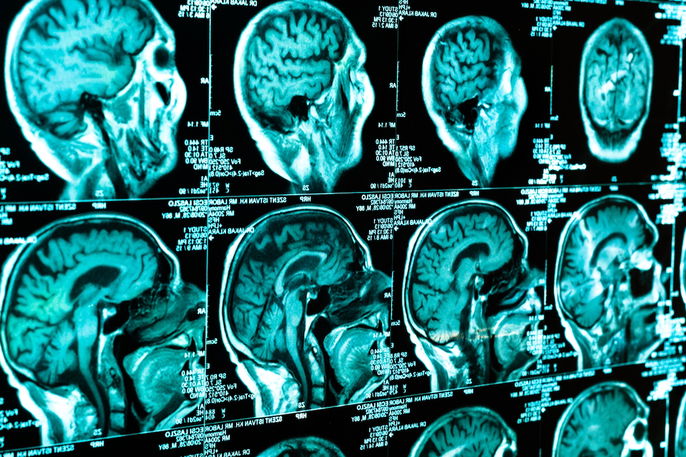
If there is concern for a brain injury, imaging tests such as a head CT scan or brain MRI may also be ordered. These tests can help identify complications such as skull fractures, bleeding inside the skull, or other brain injuries.
Common causes
The main causes of traumatic brain injury include:
-
Motor vehicle accidents
-
Falls
-
Gunshot wounds
-
Sports and recreational activities
In general, a traumatic brain injury can result from a blow or jolt to the head, rapid movement of the head and brain, or a penetrating head injury that disrupts normal brain function, even temporarily.
According to the CDC, falls lead to nearly half of all hospitalizations related to traumatic brain injury and are an especially important cause of TBI among older adults.
Main types
Traumatic brain injury can be classified as:
- Mild: This is the most common type of traumatic brain injury. Although the person may lose consciousness after the injury in some cases, they usually regain consciousness within 30 minutes. In some situations, the person may need to remain in the emergency department for several hours of observation before being discharged home.
- Moderate: The person remains unconscious for 30 minutes to 24 hours after the injury. Imaging tests, such as a CT scan, may show signs of brain injury. Treatment should be provided in a hospital, and the person usually needs to be admitted.
- Severe: Loss of consciousness lasts longer than 24 hours. Severe brain injuries, such as significant bleeding inside the skull, may also be present. In these cases, the person commonly needs to be admitted to an intensive care unit (ICU).
Some people may also be unable to remember events that occurred immediately before the head injury. In severe cases, this memory loss may last for more than one week.
First aid
If a traumatic brain injury is suspected:
-
Call 911 for emergency medical help
-
Keep the person still, especially if they are unconscious or have neck pain, because of the risk of a cervical spine injury.
-
Apply gentle pressure to bleeding wounds with clean gauze or a clean cloth, unless a skull fracture is suspected.
-
Monitor the person’s breathing and level of consciousness, and begin CPR if necessary.
Call 911 immediately if a traumatic brain injury is suspected. The dispatcher can provide first aid instructions while emergency responders are on the way. Depending on the severity of the injury, it may be safer to wait for an ambulance rather than drive the person to the emergency department.
CPR should be started if the person is unresponsive and is not breathing normally. If you are trained to check for a pulse and cannot detect one, begin CPR while taking care to minimize movement of the head and neck if a cervical spine injury is suspected.
Treatment options
Treatment for a traumatic brain injury depends on its severity and begins with a thorough medical evaluation, which may include imaging tests such as a CT scan or MRI. Depending on the findings, care may involve emergency physicians, neurologists, neurosurgeons, and other specialists.
In mild cases, the doctor may recommend pain medication and close open wounds with stitches and/or dressings. In some situations, the person may remain under observation for 4 to 6 hours before being discharged home.
In moderate or severe cases, especially when there is intracranial bleeding or a skull fracture, surgery may be needed to relieve pressure inside the skull and control bleeding. These cases often require admission to an intensive care unit (ICU) for several days.
In some situations, the medical team may recommend a medically induced coma to reduce brain activity and help support recovery.
Possible complications
A traumatic brain injury may lead to long-term complications such as:
-
Changes in behavior or mood, including apathy, aggression, or irritability
-
Loss of movement in certain parts of the body
-
Vision changes or impaired breathing control
-
Difficulty speaking and/or swallowing
-
Memory loss or sleep disturbances
-
Bowel or bladder problems
If long-term complications develop, the doctor may recommend rehabilitation with specialists such as a physiatrist, physical therapist, speech-language pathologist, psychologist, or occupational therapist.
According to the CDC, traumatic brain injury rehabilitation can help improve independence with daily activities, social engagement, community participation, and overall quality of life.
