


Shilajit is a phytomineral found in the rocks of the Himalayas. It is widely used in Ayurvedic medicine to help strengthen the immune system, prevent osteoporosis, increase fertility, and support the treatment of conditions like Alzheimer’s disease or anemia.
Shilajit contains fulvic acid, dibenzo-α-pyrones, minerals, proteins, and fatty acids, which are formed from the decomposition of plants and minerals. These components give it strong antioxidant and anti-inflammatory properties.
Also known as “Himalayan tears,” shilajatu, salajit, or mummiyo, shilajit is available in health food stores as a powder, resin, or capsule. It should only be used under the guidance of a doctor or herbal specialist.
What does shilajit do?
Shilajit may offer several potential health benefits, such as:
1. Strengthening the immune system
Thanks to its antioxidant content, shilajit may help protect immune cells against damage caused by free radicals, which can support overall immune function.
2. Lowering cholesterol
The fulvic acid in shilajit may help reduce LDL (bad) cholesterol levels and raise HDL (good) cholesterol levels due to its antioxidant effects.
3. Preventing cardiovascular disease
Because it helps regulate cholesterol levels in the blood, shilajit may help lower the risk of cardiovascular diseases like atherosclerosis, heart attack, or stroke.
4. Increasing testosterone
Shilajit contains fulvic acid and dibenzo-α-pyrones, which may help increase total and free testosterone levels in men by supporting natural production.
5. Improving fertility
By promoting testosterone production, shilajit may improve male fertility, increasing both sperm count and motility.
6. Reducing inflammation
Shilajit is rich in fulvic acid with anti-inflammatory and antioxidant properties, which may help decrease inflammation and oxidative stress in the body.
7. Fighting chronic fatigue
The fulvic acid in shilajit may help protect mitochondrial function. Since mitochondria are responsible for energy production in cells, this action may support people with chronic fatigue syndrome, a condition often linked to mitochondrial dysfunction.
Also recommended: Chronic Fatigue Syndrome: Symptoms, Causes & Treatment tuasaude.com/en/chronic-fatigue-syndrome8. Preventing premature aging
Shilajit’s high levels of fulvic acid provide powerful antioxidant and anti-inflammatory effects that may protect skin cells from free radical damage and prevent premature aging. It may also support collagen type 1 production, which can improve skin firmness and elasticity.
9. Supporting Alzheimer’s treatment
Fulvic acid in shilajit may be useful in the treatment of Alzheimer’s disease. Its anti-inflammatory properties may help prevent the buildup of tau proteins in the nervous system, potentially slowing the disease’s progression.
10. Preventing osteoporosis
Shilajit is rich in minerals like calcium, magnesium, zinc, and copper, which are important for bone health. It may help prevent osteoporosis, especially in postmenopausal women.
11. Relieving altitude sickness
Due to its fulvic acid and mineral content, shilajit may improve oxygen delivery to the muscles. This can help relieve symptoms of altitude sickness, including nausea, headache, fatigue, and insomnia. Altitude sickness is caused by reduced oxygen levels at high altitudes.
12. Enhancing muscle performance
Shilajit may support better muscle strength and recovery during physical activity while helping reduce muscle fatigue.
13. Fighting infections
Fulvic acid in shilajit appears to have antiviral properties and may enhance immune function. This could make it useful in fighting viruses such as herpes simplex and respiratory syncytial virus. However, more human studies are needed to confirm this benefit.
14. Helping treat iron-deficiency anemia
When sourced from rocks containing iron, shilajit is rich in this mineral and may be helpful in preventing or managing iron-deficiency anemia.
How to use shilajit
Shilajit is available in powder, resin, or capsule form and can be found in natural health stores.
1. Shilajit powder
Shilajit powder can be mixed into water, juice, or smoothies. The usual adult dose is ¼ teaspoon (about 500 mg) once daily.
2. Shilajit resin
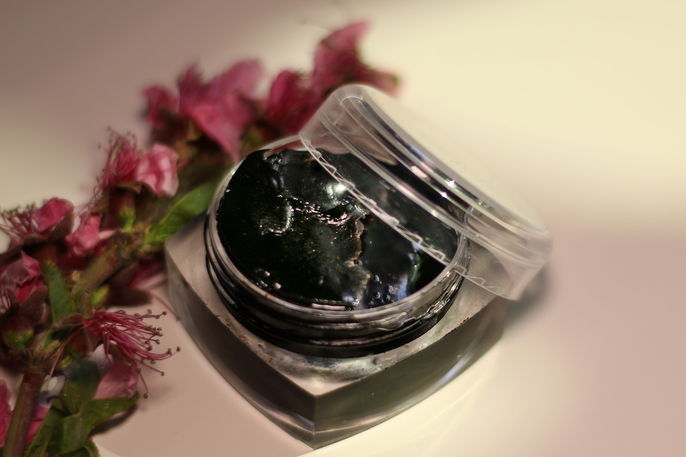
Shilajit resin is dark and sticky and can be mixed into warm drinks like milk, tea, coffee, or warm water. The recommended adult dose is 1 small spoonful (around 300 mg), dissolved in a warm drink. Let the resin melt for about 10 minutes before drinking.
This dose can be repeated up to three times a day, ideally 30 minutes before meals. Use the measuring spoon provided on the product label to ensure accurate dosing.
3. Shilajit capsules
Shilajit capsules (typically 500 mg) should be taken orally with a glass of water. The usual adult dose is 1 to 2 capsules daily or as advised by a doctor or herbalist.
Safety precautions when using shilajit
Raw or unprocessed shilajit may contain heavy metals like arsenic or mercury, as well as fungi or free radicals, which can lead to toxicity. To reduce risks, only processed or purified shilajit should be used, and labels should be checked for safety information and ingredients.
Although shilajit has been traditionally used in Ayurvedic medicine, more scientific research is needed to confirm its health benefits. It should only be used with professional guidance and must not replace any medical treatment.
Possible side effects
Common side effects of shilajit may include nausea, stomach pain, diarrhea, headache, dizziness, or low blood pressure.
In rare cases, shilajit may cause severe allergic reactions that require emergency care. Seek immediate medical attention if symptoms like difficulty breathing, throat tightness, swelling of the mouth, tongue or face, or hives appear.
Who should not use shilajit
Shilajit is not recommended for children, pregnant or breastfeeding women, or anyone allergic to its components.
It should also be avoided by people with conditions like hemochromatosis, sickle cell anemia, thalassemia, or heart disease.
People taking medications for diabetes or diuretics should only use shilajit under medical supervision. It's essential to inform a doctor or herbalist about all current medications to avoid interactions.