


Priapism is a condition marked by a painful erection that lasts more than 4 hours and is not related to sexual desire or stimulation.
It may be caused by conditions like sickle cell anemia, the use of certain medications, or the consumption of alcohol and recreational drugs such as cannabis and cocaine.
When signs of priapism appear, emergency medical care is essential. A doctor can perform a full evaluation and recommend the right treatment to prevent complications such as permanent erectile dysfunction or Peyronie’s disease.
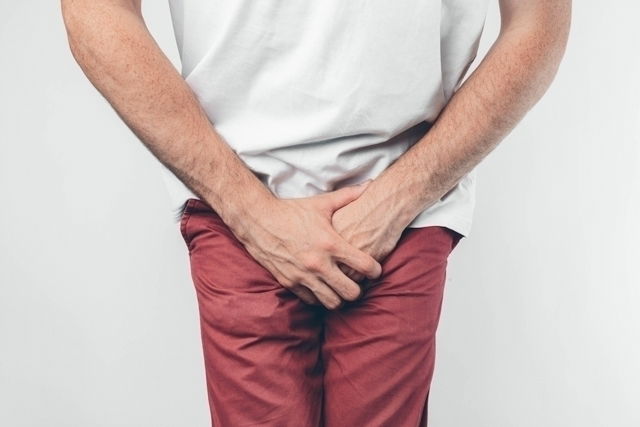
Symptoms of priapism
The most common symptoms of priapism in men include:
-
Erection lasting more than 4 hours, unrelated to sexual desire or stimulation
-
Penis shaft that is very firm while the tip remains soft
-
Severe pain that may worsen over time
-
Gangrene, in very rare and severe cases
Symptoms vary depending on the type of priapism. Ischemic priapism is usually painful, while non-ischemic priapism generally is not.
If these symptoms occur, immediate medical attention is necessary to prevent complications.
Female priapism
Rare cases of female priapism, also called clitoral priapism, have been reported. This condition causes a prolonged, painful erection of the clitoris that is not linked to sexual arousal.
Female priapism may be associated with conditions such as excess androgens, neurofibromatosis, epidermoid cysts, tumors, or syndromes like Fraser, Donohue, Seckel, and Apert.
Priapism in children
Childhood priapism is characterized by a prolonged and usually painful penile erection lasting more than 4 hours, unrelated to sexual stimulation or desire.
This is considered a medical emergency, and the child must be taken for immediate care. Frequent episodes can lead to fibrosis of the corpora cavernosa, which may result in impotence later in life.
Priapism in children is most often linked to sickle cell anemia and, less commonly, leukemia.
How diagnosis is made
Diagnosis of priapism can be performed by a urologist, gynecologist, or pediatrician through a physical exam and review of medical history.
To confirm the diagnosis, tests such as cavernous blood gasometry, penile Doppler ultrasound, complete blood count, and toxicology screening may be ordered.
Types of priapism
The main types of priapism are:
1. Ischemic priapism
Ischemic priapism, also known as low-flow priapism, is the most common type.
It is a medical emergency that requires treatment such as aspiration of blood and injections to prevent complications like cavernous fibrosis and erectile dysfunction.
Symptoms typically include penile rigidity, pain, and sensitivity to touch.
2. Non-ischemic priapism
Non-ischemic priapism is less common. This type is usually not a urologic emergency and often resolves on its own.
Penile rigidity with this type is usually painless.
3. Recurrent ischemic priapism
Recurrent ischemic priapism is a subtype of ischemic priapism. It is marked by repeated painful episodes of prolonged erections.
These episodes can last from a few minutes to three hours, are often painful, and may cause permanent penile damage and erectile dysfunction.
Possible causes
The possible causes of priapism include:
-
Trauma or injury to the pelvic, genital, or perineal area
-
Sickle cell anemia
-
Hemolytic anemias
-
Leukemia
-
Use of medications such as erectile stimulants, antidepressants, or anticoagulants
-
Alcohol use and recreational drug use, including cannabis and cocaine
-
Blood disorders such as thalassemia, multiple myeloma, polycythemia, and thrombotic thrombocytopenic purpura
Thrombophilic conditions, such as deficiencies of protein C, protein S, or Factor V Leiden, may also be linked to priapism.
Treatments for priapism
Depending on the cause, treatment options for priapism may include:
-
Cold compresses: help reduce swelling and lower blood flow in cases of non-ischemic priapism
-
Oral medications: opioids may be prescribed to relieve pain
-
Blood aspiration: performed by a doctor under local anesthesia using a needle to remove excess blood in ischemic priapism
-
Penile injection of phenylephrine: works by narrowing blood vessels and reducing blood flow to the penis
If priapism does not improve with these approaches, surgery may be needed to block the artery supplying blood to the penis or to drain the trapped blood.
When treatment is started within the first 24 hours of symptom onset, recovery is usually complete without long-term complications.
Possible complications
Complications of prolonged priapism may include permanent erectile dysfunction, ongoing penile pain, Peyronie’s disease, and recurrent episodes.