


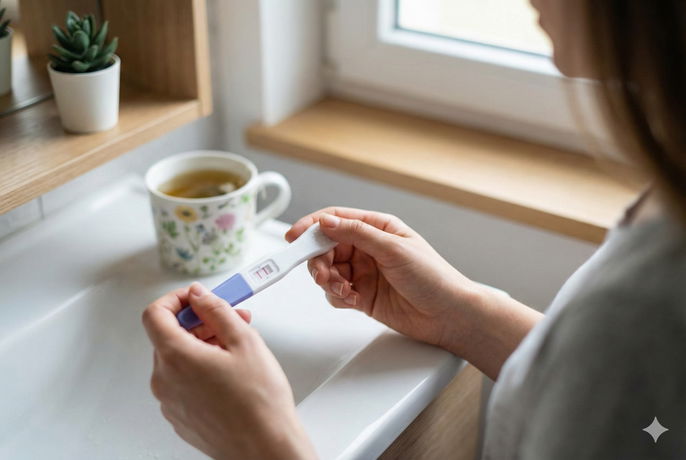
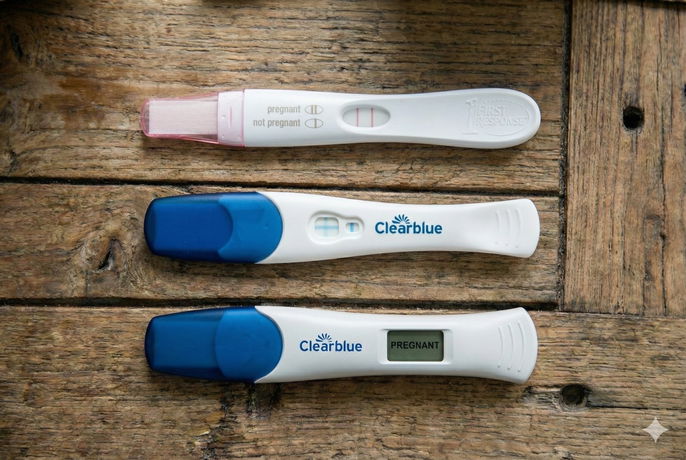
A pregnancy test is considered positive when the result window displays a plus sign, two lines, or the word "pregnant." This indicates that the test has detected specific hormones associated with early fetal development.
While home tests are highly reliable, you should schedule an appointment with an OB/GYN to confirm the results with a blood test. This clinical evaluation helps verify the pregnancy and ensures you receive the necessary medical guidance from the start.
Most pregnancy tests are readily available at local pharmacies or health clinics and can be used as early as the first day of a missed period. These tests function by measuring the concentration of beta-HCG in your urine, which rises significantly after conception.
How to read a positive result
The primary ways to identify a positive pregnancy test result include:
-
Observing two lines on a standard test: even if the second line is very faint, the test is generally considered positive.
-
Seeing a plus sign: this indicates that the test has detected circulating beta-HCG in the urine sample.
-
Reading the word "pregnant": many digital tests now provide a clear text result and may even estimate how many weeks have passed since conception.
If you receive a positive result, it is a good idea to take a second home test to confirm the finding before your doctor’s appointment. Your obstetrician will perform a physical assessment and likely order a blood pregnancy test, which measures the exact level of beta-HCG in the bloodstream and is the most definitive testing method.
Is a false positive result possible?
False positive results are extremely rare, but they can occur under specific circumstances. The most common reasons for an incorrect positive include using an expired test kit or failing to follow the manufacturer’s instructions precisely.
To ensure the highest level of accuracy, always read the instruction leaflet included in the packaging. Following the timing and collection steps exactly as described will help minimize the chance of a misleading result.
How to confirm the pregnancy
If you have already received a positive result from a home test, you may choose to repeat the process with a different brand for peace of mind. However, the next professional step is a clinical blood test to provide a precise measurement of your beta-HCG levels.
A pregnancy is clinically confirmed when beta-HCG concentrations in the blood exceed 5 mIU/mL. By tracking these specific levels, healthcare providers can also estimate how many weeks the pregnancy has progressed.
What to do next
Once the pregnancy is officially confirmed, schedule a follow-up visit with your OB/GYN to assess the health of the pregnancy and identify any potential risks.
It is essential to begin a prenatal care routine immediately. This includes attending all scheduled screenings and following your doctor’s advice regarding nutrition and supplementation. In the United States, medical professionals consistently recommend taking a daily prenatal vitamin and folic acid to support healthy fetal development.