


Pityriasis is a skin condition that causes white, red, or pink patches on the skin, often accompanied by dryness, flaking, itching, and sometimes blisters.
It can be caused by infections from fungi such as Malassezia furfur, viruses, bacteria, or parasites. In some cases, pityriasis may develop as an inflammatory reaction to certain medications.
Treatment should be managed by a dermatologist, who may recommend antifungal soaps, creams, or ointments, as well as oral medications such as antibiotics, corticosteroids, or antihistamines.
Common symptoms
The main symptoms of pityriasis include:
-
White, pink, or red patches on the skin;
-
Itching or burning in the affected areas;
-
Fever;
-
Blisters;
-
Dryness and flaking of the skin;
-
Itching that worsens in hot or humid weather;
-
Burning sensation on the skin;
Symptoms can vary depending on the type of pityriasis.
Confirming a diagnosis
A dermatologist can diagnose pityriasis by evaluating the person’s symptoms and health history in addition to performing a physical examination of the skin lesions.
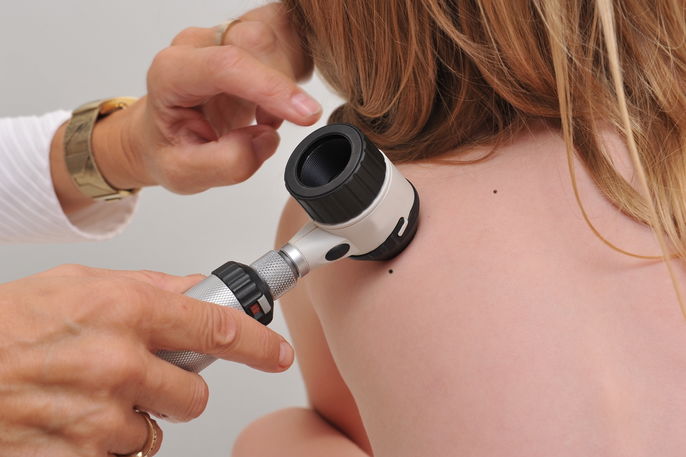
The doctor may also use a dermatoscope, a magnifying lens that allows for a closer look at the skin, or perform a Wood’s lamp test. In some cases, a skin biopsy may be required to confirm the diagnosis.
Different types
1. Pityriasis versicolor
Pityriasis versicolor, also known as tinea versicolor, is caused by the fungus Malassezia furfur, which produces azelaic acid, a substance that reduces melanin production in the skin.
This type of pityriasis causes small white patches, mild scaling, and itching.
2. Pityriasis rosea
Pityriasis rosea, also known as Gilbert’s pityriasis rosea, is a rash that appears on the chest, abdomen, or back and usually clears up within 6 to 10 weeks.
It is believed to be caused by viral infections, inflammatory reactions to medications, or vaccines.
3. Pityriasis alba
Pityriasis alba causes white, scaly patches on the face, neck, arms, or shoulders and is more common in children and young adults.
4. Pityriasis lichenoides
Pityriasis lichenoides may result from hypersensitivity to infections caused by viruses, bacteria, or parasites, or from an inflammatory reaction to medications.
This type can cause reddish-brown patches, blisters, and a burning sensation on the skin.
Possible causes
Pityriasis versicolor is caused by the fungus Malassezia furfur. Pityriasis alba has no specific known cause but may be associated with iron deficiency anemia, UV radiation exposure, or low serum copper levels.
Pityriasis lichenoides and pityriasis rosea are thought to result from hypersensitivity to viral, bacterial, or parasitic infections.
Pityriasis can also be triggered by inflammatory reactions to certain medications, such as statins, NSAIDs, antidepressants, and antihistamines.
Treatment options
Treatment for pityriasis depends on the type and severity of the condition. It may involve antifungal soaps, phototherapy, oral medications, or topical creams and ointments.
1. Antifungal soaps or shampoos
Antifungal soaps or shampoos containing selenium sulfide 2.5%, ketoconazole, sulfur, or salicylic acid can help eliminate fungal infections and are often prescribed for pityriasis versicolor.
2. Creams or ointments
Creams or ointments that contain antihistamines, antifungals such as terbinafine or ketoconazole, and corticosteroids like hydrocortisone may be prescribed by the dermatologist to relieve itching and improve recovery in cases of pityriasis rosea or alba.
Additionally, moisturizers may also be recommended to reduce skin dryness, especially in pityriasis alba.
3. Oral medications
Oral medications such as antihistamines, antibiotics like erythromycin and doxycycline, and corticosteroids or immunomodulators such as acitretin, dapsone, and cyclosporine may be prescribed to treat pityriasis lichenoides, helping relieve itching and speed up healing.
In addition, oral antifungals such as itraconazole and fluconazole may be recommended by a doctor to treat pityriasis versicolor when lesions are widespread or do not improve with topical treatments.
4. Phototherapy
Phototherapy involves using artificial UVA or UVB light, which has anti-inflammatory and immunosuppressive effects. It may be recommended for pityriasis rosea or lichenoides to improve skin healing and immune response, especially when other treatments are not effective.