


- Patellar tendinitis is often called jumper's knee and causes pain and tenderness right below the kneecap.
- The primary cause is overuse or repetitive stress, common in athletes involved in jumping and running sports.
- Treatment is focused on physical therapy and specific exercises to gradually strengthen the tendon, which is more effective than just relying on medication.
Patellar tendinitis, commonly known as jumper's knee, is an inflammation of the tendon connecting your kneecap to your shinbone. This crucial tendon helps transmit force from your thigh muscles, enabling essential movements like walking, running, and jumping.
The inflammation typically results in pain, swelling, and tenderness felt directly beneath the kneecap. The discomfort generally begins subtly and progressively worsens with increased intensity or frequency of high-impact activities.
An orthopedist is the professional best suited to treat patellar tendinitis effectively. Treatment plans often involve specific physical therapy exercises to strengthen the knee, supplemented by over-the-counter anti-inflammatory medications for symptom relief.
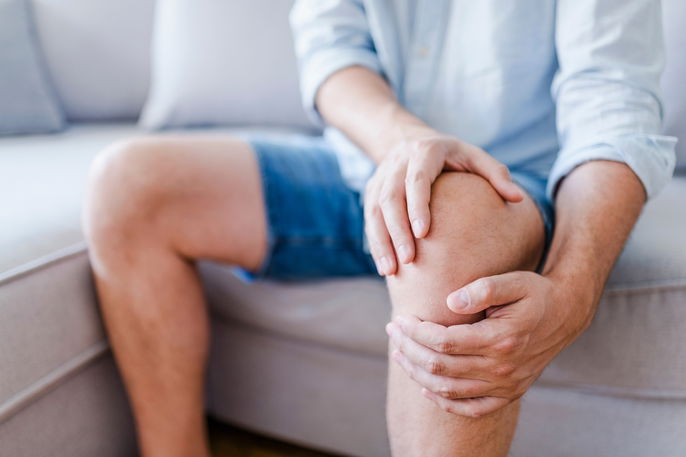
Main symptoms
The most common symptoms you might experience with patellar tendinitis include:
-
Pain right below the kneecap (patella).
-
Pain that gets worse when jumping or running.
-
Swelling in the knee area.
-
Tenderness or pain when the area is touched.
-
A feeling of stiffness or reduced strength in the knee.
As mentioned, the pain usually doesn't hit you instantly. It tends to start slowly, and you'll notice it worsening as you increase how hard or how often you do activities that stress the tendon.
Confirming a diagnosis
An orthopedist confirms the diagnosis of patellar tendinitis. They will start by reviewing your symptoms, taking a detailed health history, and performing a physical examination of your knee.
During the physical exam, they will feel (palpate) the area, which typically reveals tenderness in the tendon, particularly just beneath the kneecap.
The doctor may also use functional tests, such as single-leg squats or specific jumping drills. These tests help them assess your knee's function and distinguish patellar tendinitis from other potential issues that cause knee pain.
To further confirm the diagnosis, your doctor might order imaging tests, such as an ultrasound or a Magnetic Resonance Imaging (MRI) scan.
Degrees of tendinitis
Patellar tendinitis is often classified into four stages, or degrees, based on the severity of the pain and functional impact:
-
Grade I: You experience mild pain only after activities.
-
Grade II: Pain occurs during the activity, but it doesn't significantly hurt your performance.
-
Grade III: Pain is present during and after exercise, leading to limitations in how much you can do.
-
Grade IV: This is a serious stage involving a partial rupture (tear) of the patellar tendon.
If the patellar tendon tears completely (total rupture), it's no longer just tendinitis but a severe injury. This kind of tear can seriously compromise your knee's function and requires immediate medical intervention, usually surgery.
Possible causes
Patellar tendinitis is generally caused by overuse or repetitive stress on the knee tendon. It's most common in sports and activities that involve repeated jumping, running, quick directional changes, or intense training schedules.
Other factors that can contribute to developing jumper's knee include:
-
Muscle weakness or imbalance (often seen in older adults).
-
Changes in your posture or the alignment of your knee.
-
Wearing inappropriate footwear.
-
Poorly planned training regimens.
-
Not stretching or warming up adequately before exercise.
Treatment options
Your orthopedist will develop a treatment plan for patellar tendinitis, which typically includes the following:
1. Exercises
The core of patellar tendinitis treatment involves exercises designed to strengthen the tendon gradually. These should always be performed with the guidance of a physical therapist or a certified trainer, paying close attention to whether they cause pain.
These exercises often include controlled squats and isometric movements (muscle contractions without changing joint angle). Performing them slowly and with control helps to strengthen the thigh muscles and aids in the tendon's recovery.
Additionally, strengthening your hips and improving your postural control can help reduce the overall load and stress on your knee.
Even early on, the goal isn't to stop all activity. Instead, you should reduce or modify exercises that put excessive strain on the tendon, such as intense running, jumping, and heavy squats.
2. Medications
Analgesic (pain-relieving) and anti-inflammatory medications, like Ibuprofen or Naproxen, can be used for temporary pain relief. It's important to remember that these medications help manage the symptoms but do not fix the underlying tendon injury.
Furthermore, Platelet-Rich Plasma (PRP) injections may be used if other treatments fail to provide improvement. Conversely, corticosteroid injections are usually avoided because they carry a risk of weakening the tendon tissue.
3. Physical therapy
Your doctor will likely recommend physical therapy sessions. A physical therapist may use equipment like therapeutic laser and ultrasound to help relieve pain and stimulate the tendon's natural healing process.
Physical therapy also involves specific stretching and strengthening exercises for your hip and thigh muscles. The goal is to restore full knee function and allow you to return to your normal activities gradually.
The physical therapist might also instruct you on using a knee strap (patellar tendon strap) and applying cold compresses (ice) for about 15 minutes, three times a day, to help reduce pain and swelling.
4. Surgery
Surgery for patellar tendinitis is rarely required. It is only considered if the combined treatment of exercises, physical therapy, and medication has not led to significant improvement after three to six months.
Surgery is typically reserved for cases of persistent, debilitating pain, severe limited movement, a partial tendon tear, or for high-performance athletes who need to return to aggressive competition.
Surgical procedures usually involve removing the damaged tendon tissue or, in the case of a partial tear, suturing (stitching) the torn fibers back together.
Less invasive options, such as arthroscopy (keyhole surgery), may also be used to treat small, localized lesions. Even after surgery, a careful, comprehensive rehabilitation plan is necessary, and recovery outcomes can vary.