


Parkinson's disease treatments include medications that help reduce symptoms by increasing dopamine or affecting other neurotransmitters in the brain. Treatment is tailored to each person's symptoms and overall health.
Physical therapy, occupational therapy, speech therapy, and regular physical activity may also help improve strength, balance, movement, and communication. These therapies can help people maintain their independence and quality of life.
Treatment for Parkinson's disease should be supervised by a neurologist and adjusted as the condition changes. The recommended approach depends on the symptoms, stage of the disease, response to medication, and possible side effects.
7 treatments for Parkinson's disease
The main treatments for Parkinson's disease are:
1. Parkinson's disease medications
Parkinson's disease medications, such as carbidopa-levodopa, selegiline, amantadine, or pramipexole, may be prescribed by a neurologist to reduce symptoms such as tremors and slow movement.
Also recommended: Parkinson’s Disease Symptoms: 6 Most Common Signs tuasaude.com/en/parkinsons-disease-symptomsThese medications may be used alone or in combination. Carbidopa is commonly combined with levodopa because it allows more levodopa to reach the brain and helps reduce some of its side effects.
In the United States, medication costs and coverage vary depending on private health insurance, Medicare or Medicaid eligibility, and available prescription assistance programs.
The doctor will decide which medication or combination is most appropriate based on the person's overall health, the stage of the disease, the time of day when symptoms become more severe, and any medication side effects.
To treat other conditions that are common in people with Parkinson's disease, such as depression, agitation, and insomnia, the doctor may also prescribe antidepressants, antipsychotics, or anti-anxiety medications.
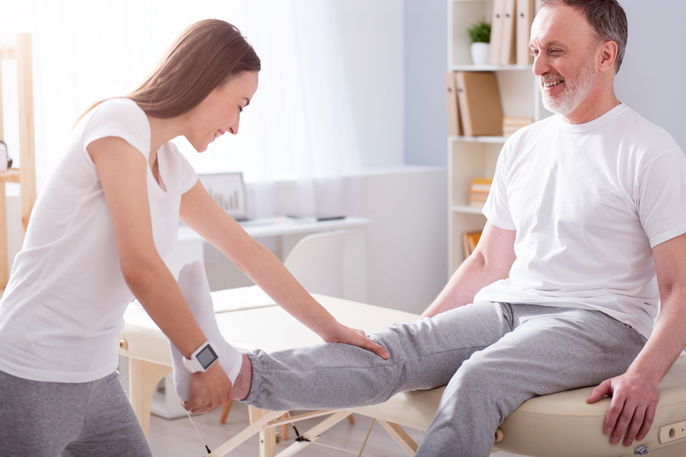
2. Physical therapy
Physical therapy for Parkinson's disease can begin as soon as the diagnosis is confirmed. This treatment can help support movement and improve quality of life.
Physical therapy helps improve strength, coordination, and range of motion. It may also reduce balance problems associated with the disease and help prevent muscle contractures and falls.
3. Speech therapy
Speech therapy for Parkinson's disease may be recommended by a doctor and provided by a speech-language pathologist. It can help improve speech, communication, swallowing, and hoarseness.
4. Occupational therapy
Occupational therapy is another Parkinson's disease treatment that may be recommended by a doctor and provided by an occupational therapist.
This treatment helps people remain more independent with everyday activities and personal care, such as walking, brushing their teeth, eating, or combing their hair.
An occupational therapist can also help a person learn to use assistive equipment, such as adaptive utensils, a walker, or a wheelchair.
5. Physical activity
Physical activity is very important for maintaining mobility and muscle strength and improving balance in people with Parkinson's disease.
Exercises that may be recommended by a doctor include walking, Pilates, yoga, stretching, water aerobics, or swimming.
The type of physical activity should be recommended by a doctor and, whenever possible, performed under the guidance of a qualified exercise professional. Recommendations vary depending on the person's overall health and symptoms.
6. Nutritional counseling
Nutritional counseling for Parkinson's disease is provided by a registered dietitian. The dietitian can recommend dietary changes to make eating easier and help manage common symptoms such as heartburn, constipation, and loss of appetite.
In more advanced cases, foods that are easier to swallow and may reduce the risk of choking can be recommended. These may include thick soups, blended foods, fruit smoothies, purees, and broths.
Meat should be cut into small pieces or shredded to make chewing and swallowing easier.
7. Deep brain stimulation
Deep brain stimulation may be considered when medications do not adequately control Parkinson's disease symptoms or become less effective.
This treatment involves surgically placing thin electrodes in specific areas of the brain. The electrodes deliver electrical signals that can help reduce certain symptoms and improve quality of life.
Natural treatment options
A balanced diet that includes foods containing vitamin E, such as vegetable oils, avocados, fruits, and vegetables, can provide antioxidants as part of an overall healthy eating pattern.
Foods containing vitamin E are not a replacement for medical treatment. Vitamin E foods and supplements have not been proven to treat Parkinson's disease or stop it from progressing.
Relaxation techniques, breathing exercises, and other non-drug approaches may help promote calmness during periods of anxiety or agitation.
Natural approaches do not replace the treatment recommended by a neurologist. They may only be used as complementary measures to help manage certain symptoms of Parkinson's disease.
Acupuncture is another complementary treatment that has been studied in people with Parkinson's disease. It may help some people manage pain or stiffness, although there is not enough reliable evidence to confirm that it improves Parkinson's disease, sadness, or depression.