


A nightmare is a disturbing dream often linked to negative emotions like intense anxiety or fear. These vivid episodes typically cause a person to wake up abruptly in the middle of the night.
While most common in children and teens, nightmares can affect people of any age. They are often triggered by stress, trauma, poor sleep habits, or certain types of medication.
Occasional nightmares are a normal part of life and usually aren't a cause for concern. However, frequent episodes that cause distress or disrupt your daily life may require professional medical attention.
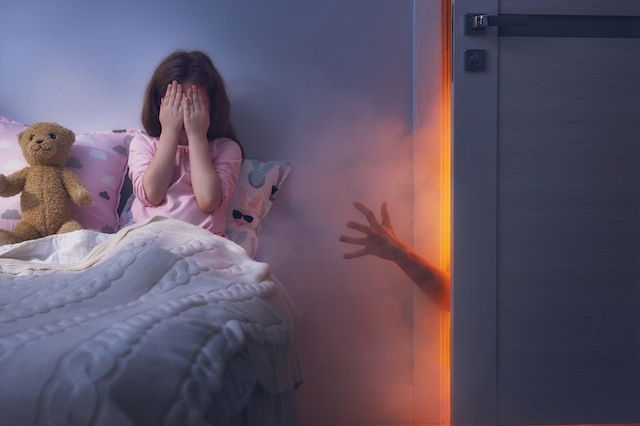
Symptoms that occur during a nightmare
The primary symptoms of a nightmare include:
-
Vivid dreams that feel intensely real and upsetting
-
Dream content focused on threats to your safety or survival
-
A racing heart and rapid breathing upon waking
-
Excessive sweating
-
Difficulty falling back to sleep
In addition to these physical signs, you may feel scared, anxious, irritable, sad, or even nauseated after waking up, depending on the nature of the dream.
How to confirm a diagnosis
A diagnosis is typically made by a pediatrician, neurologist, sleep specialist, or psychiatrist. These professionals rely on your personal account or reports from family members regarding how often the nightmares occur and what the symptoms feel like.
To reach a conclusion, the doctor will evaluate your overall health history, review your sleep hygiene habits, and perform a physical examination.
If the cause remains unclear, a sleep study, known as a polysomnography, may be ordered. This helps determine if the nightmares are linked to an underlying sleep disorder.
Why we have nightmares
Nightmares occur during the Rapid Eye Movement (REM) phase of sleep, though their exact cause is still being studied. During this stage, brain activity increases, which is why dreams feel so vivid.
Medical professionals classify nightmares as a type of parasomnia, which, based on the American Academy of Sleep Medicine, consists of undesirable physical events or experiences that occur during entry into sleep, within sleep, or during arousal from sleep.
What causes nightmares
Nightmares are often triggered by specific external or internal factors, such as:
-
Stress and anxiety: This includes daily life pressures, receiving upsetting news, or grieving the loss of a loved one.
-
Traumatic events: Experiences like serious accidents or physical and sexual abuse can lead to recurring nightmares.
-
Sleep deprivation: Irregular schedules, shift work, jet lag, or chronic insomnia can disrupt sleep cycles.
-
Medication use: Certain drugs, including some antidepressants, blood pressure medications, or drugs used to treat Parkinson’s disease, are known triggers.
-
Substance use: This includes the misuse of alcohol or drugs, as well as the symptoms experienced during withdrawal.
-
Scary media: Watching frightening movies or reading intense books right before bed can influence dream content.
Nightmares may also be a symptom of underlying psychological conditions, such as depression or post-traumatic stress disorder (PTSD).
How to stop having nightmares
You can reduce the frequency of nightmares by practicing good sleep hygiene, such as maintaining a consistent schedule for going to bed and waking up.
If you struggle to fall asleep, try incorporating relaxing activities into your evening routine, such as reading a book or taking a warm bath.
When stress or anxiety is the primary cause, it is best to consult a healthcare provider. They can help you address the root of the problem or teach you specific relaxation exercises to calm your mind.
Nightmares in children
For children, it can be helpful to have them draw a picture of the nightmare or talk about the characters. This provides an opportunity to explain that the dream isn't real and allows you to rewrite a happy ending together.
Additionally, according to the American Academy of Pediatrics, a child may feel more secure sleeping with a comfort object, like a favorite stuffed animal or blanket, or by keeping the bedroom door cracked to provide additional reassurance
Using a dim nightlight is another effective way to help a child feel safe if they are afraid of the dark.