


- The iron blood test measures the amount of iron in your bloodstream and helps identify conditions like anemia, iron deficiency, or iron overload.
- Low iron levels can cause fatigue, pale skin, and dizziness, while high levels may be linked to liver problems or hereditary hemochromatosis.
- Treatment depends on whether your iron is too low or too high and may include dietary changes, supplements, or therapeutic blood removal under medical supervision.
The iron blood test measures how much iron is circulating in your bloodstream, helping your doctor determine whether you have too little or too much of this mineral. Low levels might point to nutritional deficiencies or anemia, while high levels could suggest a liver issue or iron overload.
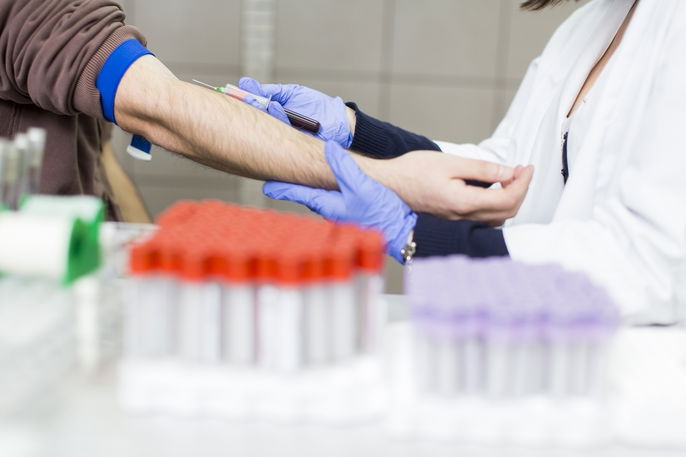
The test involves drawing a small blood sample. In some cases, you may be asked to fast for around 8 hours beforehand.
Iron is a critical nutrient for your body, as it helps oxygen attach to hemoglobin and travel to different parts of your body. It also plays a key role in red blood cell production and in forming several important enzymes. According to the World Health Organization (WHO), iron is essential for hemoglobin formation and oxygen transport, and deficiency is one of the most common nutritional disorders worldwide, often leading to anemia.
When it’s ordered
Your doctor may order an iron blood test when they suspect that your iron levels are either too low or too high. It is often used to investigate things like anemia, infections, gastrointestinal or liver abnormalities.
Typically, the serum iron test is requested when other labs show abnormal findings, especially a complete blood count (CBC) with low hemoglobin, or abnormal ferritin or transferrin levels. Transferrin is a protein made by the liver that carries iron to the bone marrow, spleen, liver and muscles.
Reference values
Typical normal serum iron levels are:
-
Children: 40 to 120 µg/dL
-
Men: 65 to 175 µg/dL
-
Women: 50 to 170 µg/dL
The normal range may vary depending on the lab and the diagnostic method used.
How the test is done
A small blood sample is drawn and sent to a laboratory for analysis. In some cases, fasting for at least 8 hours may be required, so it’s important to follow the instructions given by your doctor or the lab.
It is also recommended to avoid taking iron supplements for at least 24 hours before the test so the results aren’t skewed. Women using hormonal birth control should tell their provider before the blood draw, since birth control pills can sometimes affect iron levels.
Low serum iron
Low levels of serum iron may show up as symptoms like extreme fatigue, difficulty concentrating, pale skin, hair thinning or hair loss, poor appetite, muscle weakness or dizziness.
Common causes of low iron
-
Not getting enough iron through diet
-
Heavy menstrual bleeding
-
Gastrointestinal bleeding
-
Problems absorbing iron in the gut
-
Chronic infections
-
Tumors (neoplasms)
-
Pregnancy
If iron stores are depleted, the main consequence is iron deficiency anemia, when your body lacks enough iron to make sufficient hemoglobin or red blood cells. This can result from inadequate dietary intake or impaired absorption in the gut.
What to do if your iron is low
If your doctor confirms low serum iron and related labs are also abnormal, they will typically recommend boosting your intake of iron-rich foods such as red meat, poultry, fish, legumes and dark leafy vegetables. Depending on how low your iron is and other test results, your doctor may also prescribe an iron supplement, but only under medical supervision to avoid iron overload.
High serum iron
If your iron levels are too high, you may experience symptoms such as abdominal or joint pain, heart issues, unexplained weight loss, fatigue, muscle weakness or decreased libido.
Common causes of high iron
-
A diet very high in iron
-
Hereditary hemochromatosis
-
Hemolytic anemia
-
Iron poisoning
-
Liver disorders such as cirrhosis or hepatitis
-
Repeated blood transfusions
In some cases, excessive use of iron supplements or high intake of vitamins B6 or B12 may also contribute to elevated iron.
What to do if your iron is high
Treatment for high serum iron depends on the underlying cause. Your doctor may suggest altering your diet, performing therapeutic phlebotomy (blood removal) or using iron-chelating medications, which bind excess iron so it can be removed from the body. It’s crucial to let the doctor guide this process.