


Hypercapnia is an increase in carbon dioxide levels in the bloodstream. It can cause symptoms such as headache, difficulty breathing, drowsiness, or mental confusion.
High carbon dioxide levels usually happen because of hypoventilation, which is when a person breathes too shallowly or too slowly. This makes it harder for the body to remove carbon dioxide, although hypercapnia can also happen when the body produces too much carbon dioxide.
Treatment for hypercapnia is done in the hospital by a general practitioner and depends on the cause and severity. It usually involves oxygen therapy, heart and blood pressure monitoring, and, in some cases, medications such as bronchodilators or corticosteroids.
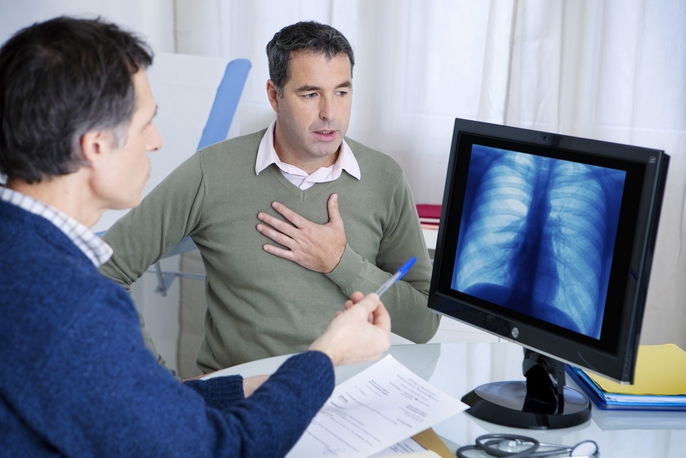
Symptoms of hypercapnia
The main symptoms of hypercapnia are:
-
Difficulty breathing or shortness of breath;
-
Excessive tiredness;
-
Drowsiness;
-
Headache;
-
Reddened skin;
-
Nausea;
-
Irritability;
-
Dizziness;
-
Disorientation;
-
Mental confusion.
In addition, more serious symptoms may occur, such as paranoia, depression, muscle spasms, abnormal heartbeats, increased breathing rate, panic attacks, seizures, or fainting.
Hypercapnia can happen suddenly and lead to increased acidity in the blood, called respiratory acidosis. This is a serious condition that can be life-threatening.
Therefore, if symptoms of hypercapnia appear, it is important to go to the hospital right away to start the most appropriate treatment and prevent complications, such as respiratory failure, cardiac arrest, or coma.
Confirming a diagnosis
Hypercapnia is diagnosed by a general practitioner in the hospital based on symptoms, health history, a physical exam, and an arterial blood gas test. This test checks carbon dioxide levels in the blood and helps determine whether oxygen pressure is normal.
The doctor may also order blood tests, such as a complete blood count and thyroid hormone tests, as well as lung function tests and imaging exams, such as a chest X-ray or CT scan, to check for lung problems.
Possible causes
The main causes of hypercapnia are:
-
Chronic obstructive pulmonary disease (COPD);
-
Sleep apnea;
-
Pulmonary embolism;
-
Stroke;
-
Vascular diseases;
-
Obesity hypoventilation syndrome;
-
Multiple sclerosis or amyotrophic lateral sclerosis (ALS);
-
Muscular dystrophy;
-
Tetanus or botulism;
-
Hypothyroidism;
-
Overdose of sedatives or opioids.
In addition, hypercapnia can also be caused by asthma, decompensated heart failure, polymyositis, Guillain-Barré syndrome, myasthenia gravis, Eaton-Lambert syndrome, diphtheria, or low phosphate or magnesium levels in the blood.
People with a history of heart or lung disease, people who smoke, or people who are exposed to chemicals daily, such as at work, have a higher risk of developing hypercapnia.
These conditions can lead to shallow breathing or excessive carbon dioxide production by the body, increasing carbon dioxide levels in arterial blood.
Treatment options
Treatment for hypercapnia is done in the hospital by a general practitioner. It usually involves oxygen therapy or noninvasive ventilation with a face mask to improve ventilation and increase oxygen levels in the body.
If oxygen therapy or noninvasive ventilation with a face mask does not improve hypercapnia, or if the person has a reduced level of consciousness, hemodynamic instability, or an imminent risk of cardiorespiratory arrest, orotracheal intubation should be performed.
Medication may also be recommended, such as bronchodilators or corticosteroids. Medications for opioid overdose may also be used, and if there is a respiratory infection, antibiotics may be necessary.
Possible complications
The main complications of hypercapnia are:
-
Loss of consciousness;
-
Coma;
-
Cardiac arrhythmia;
-
Cardiovascular collapse;
-
Respiratory failure;
-
Cardiac arrest.
These complications can be life-threatening, which is why hypercapnia should be treated as quickly as possible in the hospital.