


Garlic benefits include helping to naturally control infections, high blood pressure, and high blood sugar levels. Known for its antioxidant, anti-inflammatory, and antimicrobial properties, garlic has long been used to support overall health.
Its main active compound, allicin, is responsible for most of garlic’s therapeutic effects and its distinct smell. Regular consumption may help protect the heart, lower cholesterol, and strengthen the immune system.
To get the most garlic benefits, it’s best to crush or chop raw garlic and wait a few minutes before eating it to activate its compounds. Eating one clove per day is usually enough to promote heart health, support brain function, and boost the body’s natural defenses.
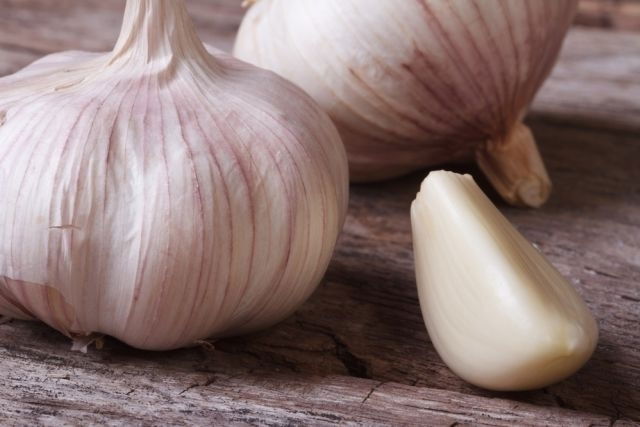
Health benefits
The main health benefits of garlic include:
1. Combating microorganisms
Garlic contains allicin, a sulfur compound with strong antimicrobial, antifungal, and antiparasitic properties. It can help prevent the growth of bacteria, viruses, and fungi, and may also aid in eliminating harmful microorganisms from the intestines, supporting the prevention of intestinal worm infections.
2. Lowering cholesterol and triglycerides
Eating garlic may help reduce total cholesterol, “bad” LDL cholesterol, and triglycerides while increasing “good” HDL cholesterol.
This effect happens because allicin and polyphenols in garlic decrease cholesterol production, prevent LDL oxidation, and improve how fats are metabolized in the blood.
Also recommended: Total Cholesterol: Normal Levels & How to Lower High Cholesterol tuasaude.com/en/total-cholesterol3. Supporting heart health
By balancing blood lipids and reducing cholesterol oxidation, garlic helps prevent atherosclerosis, the buildup of fatty plaques in the arteries. This, in turn, lowers the risk of cardiovascular disease and supports overall heart health.
4. Lowering blood pressure
Garlic can help widen blood vessels by increasing nitric oxide release and relax the arteries through adenosine activity.
It also improves circulation, which reduces pressure on the blood vessels and helps lower blood pressure.
Read about other natural remedies for high blood pressure.
5. Supporting respiratory health
Garlic may strengthen the respiratory system and help relieve symptoms of colds, the flu, and other infections because of its antimicrobial, anti-inflammatory, and immune-boosting properties.
These effects help the immune system respond more effectively, reduce inflammation in the airways, and fight microorganisms that affect the lungs.
6. Keeping the brain healthy
Garlic’s antioxidant and anti-inflammatory compounds, including allicin, along with nutrients like sulfur, selenium, and choline, may help protect brain cells and support memory.
These nutrients help protect nerve cells from damage caused by free radicals, which are linked to neurodegenerative diseases such as Alzheimer’s and dementia.
Regular consumption of garlic may help maintain brain health, learning ability, and concentration.
7. Reducing inflammation
The sulfur compounds in garlic have anti-inflammatory properties that help reduce the body’s excessive immune response to certain diseases, relieve pain, and protect tissues from inflammation-related damage.
8. Regulating blood sugar
Garlic may help control blood sugar levels by reducing fasting glucose and hemoglobin A1c levels, making it helpful for preventing and managing diabetes.
This effect occurs because garlic stimulates pancreatic beta cells to produce more insulin and improves the body’s ability to use it. The compound mainly responsible for this action is S-allyl cysteine.
9. Helping prevent cancer
Garlic contains sulfur compounds like allicin, alliin, and ajoene, which have strong antioxidant effects. These substances protect cells and activate enzymes that help remove carcinogenic compounds, especially in the intestines.
However, scientific evidence is still limited regarding garlic’s potential protective effect against cancer.
Also recommended: Antioxidants: Health Benefits, Food List & Supplements tuasaude.com/en/antioxidantsHow to use
The most common way to use garlic is as a seasoning for cooked, sautéed, or roasted dishes. It’s great for enhancing the flavor of meats, sauces, salads, and pasta. Garlic can also be used in preparations like tea or infused water.
To make the most of its active compounds such as allicin, it’s ideal to crush or chop raw garlic and wait a few minutes before using it, as this activates its beneficial properties.
Eating one raw garlic clove per day (about 3 to 5 grams) is generally enough to strengthen the immune system, help control blood pressure, and lower cholesterol.
To store garlic, keep it in a cool, dry, and well-ventilated place to prevent mold and preserve its nutrients. Garlic is also available in supplement form, usually as capsules or aged garlic extract. The daily dose typically ranges from 300 to 600 mg, depending on the product’s concentration and a healthcare provider’s recommendation.
Nutrition facts
The following table provides nutritional information for a 100 g serving of fresh garlic:
Garlic benefits can be optimized by consuming it as part of a healthy, well-balanced diet along with regular physical exercise.
Side effects
Garlic is generally safe for most people. However, excessive intake can cause side effects like bad breath, body odor, and stomach irritation, including heartburn or gas.
It may also cause low blood pressure or increase the risk of bleeding, especially for people taking blood-thinning medications such as warfarin, apixaban, or aspirin.
Contraindications for use
Garlic should be used with caution by people with bleeding disorders, as it can increase the risk of bleeding.
Raw garlic as a natural remedy should not be used in newborns, during surgical recovery, or by people with low blood pressure, stomach pain, or those taking anticoagulant medications.
Garlic supplements should be avoided during pregnancy and breastfeeding, as high doses may increase the risk of bleeding or alter the taste and smell of breast milk.
Healthy recipes
Some easy ways to get the benefits of garlic include:
1. Garlic tea
Ingredients:
-
1 garlic clove;
-
200 mL of water.
Preparation:
Boil the water in a pot or kettle, then add the chopped or crushed garlic. Let it steep for about 5 to 10 minutes, strain, and allow it to cool slightly before drinking.
Check out garlic tea for the flu.
2. Garlic water
Ingredients:
-
1 garlic clove;
-
100 mL of filtered water.
Preparation:
Place the crushed garlic clove in the water, cover, and let it sit overnight or for at least 8 hours. Drink it afterward.
3. Garlic paste
Ingredients:
-
4 raw garlic cloves;
-
200 mL plain yogurt;
-
1 Tbsp olive oil;
-
Juice of ½ lemon;
-
A pinch of salt and black pepper to taste;
-
Chopped herbs or parsley (optional).
Preparation:
Blend all ingredients in a blender or food processor until smooth and creamy. Adjust seasoning as needed. Store in a glass jar with a lid and keep in the refrigerator for up to 5 days.