


Folliculitis on the face is inflammation of facial hair follicles. It can cause small pimple-like bumps that may contain pus. Other symptoms can include itching, increased skin sensitivity, and redness.
In most cases, folliculitis on the face is caused by bacteria that naturally live on the skin. It is more common in people who frequently shave or remove facial hair.
If folliculitis on the face is persistent or keeps coming back, it is recommended to see a dermatologist. Treatment may include temporarily avoiding shaving or other hair removal methods and using prescribed antibiotics when needed.
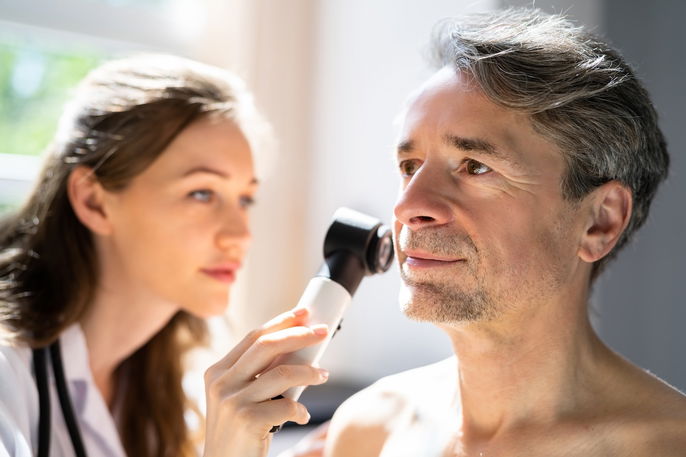
Main symptoms
The main symptoms of folliculitis on the face are:
-
Small red pimple-like bumps on the face, with or without pus
-
Itching in the affected area
-
Increased skin sensitivity in the area
-
Redness around the hair follicles
Folliculitis can occur anywhere on the body where hair grows. In men, folliculitis on the face tends to affect the beard area due to regular shaving.
Also recommended: Ingrown Beard Hair: Symptoms, Causes & Treatment tuasaude.com/en/ingrown-beard-hairWhen inflammation of the hair follicles on the face affects deeper layers of the skin, it can lead to a boil. In this case, pain and swelling may also occur in the area where the folliculitis started.
Online symptom checker
To find out if your symptoms are consistent with folliculitis, select all that apply:
This symptom checker is only a tool and should not be used to diagnose conditions or replace a consultation with a dermatologist or other healthcare professional.
Confirming a diagnosis
The diagnosis of folliculitis on the face is usually made by a dermatologist or primary care provider based on symptoms and the appearance of the lesions. In most cases, no tests are needed to confirm the diagnosis.
Although uncommon, a dermatologist may order tests to determine the cause of folliculitis, such as analyzing a skin scraping or performing a skin biopsy of the affected area.
Possible causes
The most common causes of folliculitis on the face are:
-
Microorganisms, such as bacteria or fungi
-
Blocked hair follicles from moisturizers, oils, or facial creams
-
Ingrown hairs, especially in people who regularly shave or remove hair
-
Irritating products applied to the skin
-
Incorrect use of corticosteroid ointments on the face
-
Certain medications, such as corticosteroids or lithium
-
Inflammatory diseases or immunosuppression
However, folliculitis on the face is most often caused by infection of the hair follicles with the bacterium Staphylococcus aureus. This bacterium is naturally found on the skin and can enter the hair follicle through small cuts caused by shaving or hair removal, for example.
Treatment options
In most cases, folliculitis on the face tends to improve within a few days with simple measures, such as keeping the area clean and dry, stopping the use of irritating products, and avoiding hair removal in the affected area until the lesions clear up.
However, when facial folliculitis is recurrent or persistent, treatment may include antibiotics, antifungals, or antivirals, applied as topical ointments or taken as oral tablets, depending on the underlying cause. According to the American Academy of Dermatology, a board-certified dermatologist can help confirm the diagnosis and guide treatment.
If folliculitis is linked to an underlying skin condition, it is important to follow the treatment recommended by a healthcare provider. If a medication may be contributing to folliculitis, the provider may also advise adjusting or stopping it.
