


An eye infection happens when microorganisms like bacteria, viruses, fungi, or parasites come into contact with the eye and begin to multiply. This can occur due to an injury, a scratch, or by touching the eyes with dirty hands.
The main symptoms of an eye infection include eye pain, a burning or itching sensation, redness, and sensitivity to light. Common types of eye infections include viral and bacterial conjunctivitis (pink eye), as well as viral, bacterial, and fungal keratitis.
Treatment for an eye infection should always be guided by a primary care provider or an ophthalmologist (eye doctor). Depending on the type and severity of the infection, treatment may involve eye drops, ointments, or oral medications.
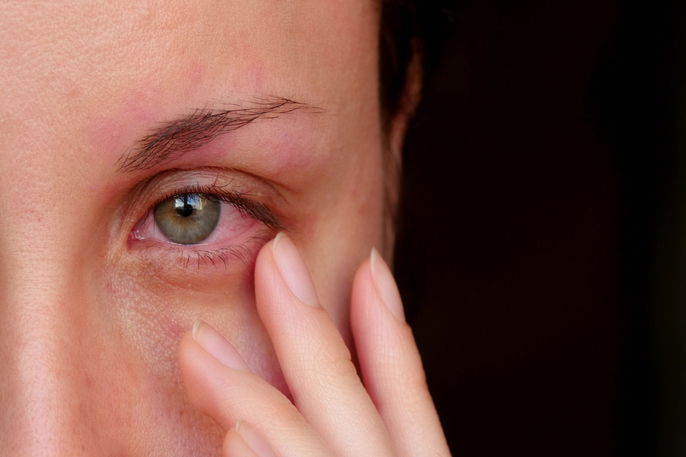
Main symptoms
The main symptoms of an eye infection include:
-
Redness;
-
Sensitivity to light (photophobia);
-
Burning or itching sensation;
-
Eye discharge, which can be clear, yellowish, or greenish;
-
Blurred vision.
Eye infections may also cause swelling of the eyelids due to fluid buildup around the eyes, along with the feeling that something, like dust or a foreign body, is inside the eye.
Possible causes
An eye infection can be caused by the entry of microorganisms through an injury, a scratch, or contact with dirty hands.
Improper use of contact lenses, as well as medical procedures or eye surgeries, can also make it easier for microorganisms to enter and cause an infection.
Additionally, some sexually transmitted infections (STIs), such as syphilis, gonorrhea, and herpes, can affect the eyes and lead to infection.
Different types
There are several types of eye infection, each caused by different microorganisms and presenting with different symptoms. The various types of eye infections include:
1. Viral conjunctivitis
Viral conjunctivitis is an infection caused by a virus, usually the same one responsible for the common cold, such as adenovirus. It leads to inflammation of the thin membrane that covers the white part of the eye.
The main symptoms include discomfort, redness, itching, and excessive tearing.
What to do: Treatment for viral conjunctivitis should be guided by a primary care provider or an ophthalmologist, who may recommend lubricating eye drops and cold compresses to help relieve irritation and discomfort.
It is also important to avoid close contact with others, avoid rubbing the eyes, and wash your hands frequently to prevent spreading the infection.
2. Bacterial conjunctivitis
Bacterial conjunctivitis is an infection caused by bacteria that affect the conjunctiva, the membrane covering the white part of the eye. The most common bacteria involved are Staphylococcus aureus and Streptococcus pneumoniae.
This condition typically causes redness, a gritty or burning sensation, swollen eyelids, and thick yellow or green discharge.
What to do: It’s important to see a primary care provider or an ophthalmologist, who may prescribe antibiotic eye drops or ointments, such as erythromycin, trimethoprim‑polymyxin B, or tobramycin, to clear the infection.
Also recommended: Home Remedies for Pink Eye: 5 Natural Options tuasaude.com/en/home-remedies-for-pink-eye3. Bacterial keratitis
Bacterial keratitis is a corneal infection caused by bacteria such as Staphylococcus and Pseudomonas. It can cause severe eye pain, redness, yellow discharge, light sensitivity, and vision loss if not treated quickly.
What to do: Immediate treatment is essential. An ophthalmologist may prescribe strong antibiotic eye drops, such as moxifloxacin 0.5% or gatifloxacin 0.3–0.5%, to fight the bacteria and prevent permanent damage to the cornea.
4. Viral keratitis
Viral keratitis is an infection of the cornea, the clear front part of the eye, usually caused by the herpes simplex virus. It can lead to symptoms such as itching, swelling, redness, irritation, excessive tearing, or blurry vision.
What to do: You should see an ophthalmologist for proper treatment, which may include antiviral eye drops like trifluridine and oral antivirals such as acyclovir or valacyclovir.
5. Fungal keratitis
Fungal keratitis is a corneal infection caused by fungi such as Fusarium, Aspergillus, or Candida. Although less common than other types of keratitis, it can be serious if not treated promptly.
This infection often occurs after an eye injury, especially when in contact with plants or soil, and is also common in people who use contact lenses improperly.
Symptoms include eye pain, redness, light sensitivity, blurry vision, and discharge. In some cases, a white spot may appear on the cornea.
What to do: Treatment for fungal keratitis usually involves antifungal eye drops such as natamycin 5%. In more severe cases, the ophthalmologist may prescribe oral antifungal medications like voriconazole. If the condition doesn’t improve with medication, a corneal transplant may be necessary.
6. Endophthalmitis
Endophthalmitis is a severe eye infection caused by bacteria or fungi that affects the inside of the eyeball. It can occur as a rare complication of eye surgery or trauma and may cause vision loss if not treated immediately.
Symptoms appear suddenly and may include intense eye pain, redness, very blurry or lost vision, swollen eyelids, light sensitivity, and sometimes discharge.
What to do: Seek medical attention from an ophthalmologist right away if symptoms of infection appear after eye surgery or injury. The doctor will start treatment immediately, depending on the microorganism responsible for the infection.
Confirming a diagnosis
Diagnosis of an eye infection is made by a primary care provider or an ophthalmologist based on a person's symptoms and a physical exam to check the eyes and asses vision.
In some cases, the doctor may collect a sample of eye discharge using a swab or by gently scraping the cornea for laboratory testing to identify the microorganism causing the infection.
When necessary, imaging tests such as confocal microscopy may be performed to examine the structures of the eye in greater detail.
Prevention measures
To prevent an eye infection, you should:
-
Always wash your hands before touching your eyes;
-
Avoid rubbing your eyes;
-
Wear protective glasses when working in environments with a risk of eye injury;
-
Avoid sharing towels, tissues, or makeup.
In addition, proper care of contact lenses is important, including washing your hands before handling them and cleaning the lenses thoroughly with disinfectant solution as recommended.