


Diabetes symptoms can vary depending on the type of the disease, but in general, the first signs and symptoms of diabetes include frequent fatigue, excessive hunger, sudden weight loss, intense thirst, frequent urination, and darkening of skin folds, especially in areas like the armpits and neck.
When these early signs and symptoms appear, it’s important to see a general practitioner, endocrinologist, or pediatrician in the case of children. This allows for proper diagnosis and timely treatment.
Diabetes is diagnosed through blood tests that measure blood sugar levels, such as fasting glucose, oral glucose tolerance test (OGTT), and glycated hemoglobin (HbA1c).
Type 2 diabetes
The most common symptoms of type 2 diabetes include:
-
Excessive thirst
-
Dry mouth
-
Extreme fatigue
-
Weakness
-
Increased appetite
-
Frequent urination
-
Unexplained weight loss
-
Slow-healing wounds
When these symptoms are present, it is important to consult an endocrinologist for evaluation, diagnosis, and appropriate treatment.
Type 2 diabetes is linked to insulin resistance, meaning the body’s insulin is not effective at helping glucose enter the cells. As a result, blood sugar levels remain high. This type of diabetes is more common in people who are overweight or obese, and in those who follow a diet high in sugar and fat.
Online symptom checker for type 2 diabetes
To check if you may have type 2 diabetes, select the symptoms you are experiencing in the tool below:
Type 1 diabetes
The main symptoms of type 1 diabetes include:
-
Frequent urination
-
Unexplained weight loss
-
Excessive sleepiness
-
Itching
-
Excessive hunger
-
Intense thirst
-
Vomiting, in some cases
-
Dizziness
-
Breathing difficulties, in some cases
Type 1 diabetes occurs when the pancreas stops producing insulin, making it impossible for the body to use the sugar in the blood. This type of diabetes is usually diagnosed in childhood but may also be detected in early adulthood.
How diabetes is diagnosed
Diabetes can be diagnosed through several tests, including:
-
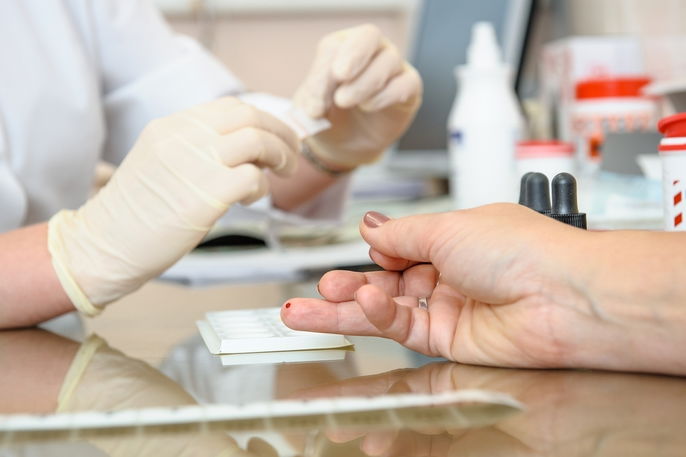
Fingerstick blood test: Normal up to 200 mg/dL at any time of the day
-
Fasting glucose test: Normal up to 99 mg/dL
-
Oral glucose tolerance test (OGTT): Normal up to 140 mg/dL 2 hours after testing and up to 199 mg/dL within 4 hours
-
Glycated hemoglobin (HbA1c): Normal up to 5.7%
Everyone should take at least one of these tests once a year to check for high blood sugar levels. Type 2 diabetes can occur at any age, even without a family history, but the risk increases with poor diet and lack of physical activity.