


- Professional facial extraction effectively removes blackheads and milia while stimulating skin cell regeneration.
- The standard procedure involves seven steps including steam, exfoliation, manual extraction, and a high-frequency healing device.
- Post-treatment care requires avoiding direct sun exposure and heavy makeup for at least 48 hours to prevent irritation or dark spots.
A deep cleansing facial is a professional treatment designed to remove blackheads, impurities, and dead skin cells. It is also highly effective for treating milia, which are those small white or yellowish bumps that commonly appear on the face.
Regular sessions are typically recommended every two months for those with normal to dry skin types. For individuals with oily or combination skin prone to blackheads, a monthly visit can better stimulate cell regeneration and maintain a healthy glow.
A professional treatment usually takes about one hour and should be performed by a licensed esthetician at a specialized clinic. While basic skin maintenance can be done at home, professional extraction is necessary to prevent permanent scarring or infections.
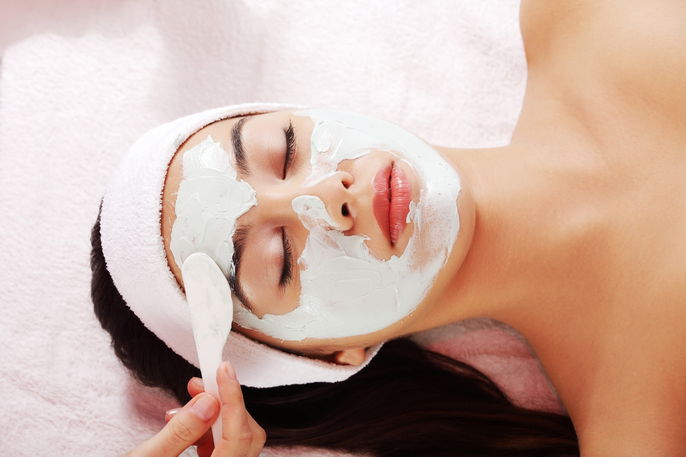
7 steps of a professional deep cleansing facial
A standard deep cleansing facial follows a specific sequence to ensure the skin is treated safely and effectively:
1. Skin cleansing
The process begins with removing makeup and surface debris using a specialized cleansing lotion to eliminate excess oil. Products containing Aloe vera or green tea are often preferred for their ability to naturally detoxify the skin.
The esthetician typically applies the cleanser using gloved hands. They then use sterile gauze to massage the product into the face with gentle, circular motions to ensure a clean slate.
2. Opening the pores
Next, the esthetician uses ozone or water steam to soften the skin's surface and open the pores. This step is critical because it makes the subsequent extraction of blackheads and impurities much easier and less painful.
The steaming process usually lasts between 5 to 10 minutes. To enhance the experience, many professionals include a brief hand or scalp massage during this time to help the client relax.
3. Exfoliation
After the skin is softened, an exfoliation step removes the outermost layer of dead skin cells. This further clears the path for extracting deep-seated impurities without damaging the healthy tissue underneath.
For clients with active, inflamed acne, a specialized, gentle exfoliate is used to avoid irritation. For most others, a physical exfoliant with micro-granules is massaged into the skin using circular gauze movements to prep the pores.
4. Manual extraction
The esthetician performs the extraction manually by using sterile gauze or cotton moistened with an antiseptic lotion. By applying light pressure with the index fingers, they can safely clear the pores.
To remove milia, a sterile micro-needle is used to gently pierce the surface and release the trapped sebum. This phase usually lasts about 30 minutes, focusing first on the T-zone before moving to the cheeks.
Following the extraction, a high-frequency device is often used on the skin. This technology provides an antibacterial effect that helps the skin heal faster and reduces post-treatment redness.
Alternatively, some clinics offer ultrasonic skin cleansing. This method uses high-frequency vibrations to dislodge impurities from the deeper layers of the dermis without manual pressure.
5. Soothing mask
A cooling or soothing mask is applied to the face for approximately 10 minutes to calm the skin and reduce any inflammation. The specific mask chosen is tailored to the client's unique skin type.
While the mask sets, the professional may perform manual lymphatic drainage. This specialized massage technique helps move fluid away from the face to minimize swelling and even out the skin tone.
6. Hydration
The skin is then treated with a thin layer of moisturizing serum or cream. The choice between a lightweight serum or a richer cream depends entirely on whether the skin is oily, dry, or combination.
An anti-aging treatment may also be applied during this step. These products help lock in moisture and provide a protective barrier against environmental pollutants.
7. Sunscreen application
The final and most important step of a professional facial is the application of a broad-spectrum sunscreen. A product with an SPF of 30 or higher is required to protect the fresh, vulnerable skin.
Because a deep cleansing facial removes the outer protective layer of dead cells, the skin becomes temporarily more sensitive to light. Skipping sunscreen can lead to sun damage or the formation of dark spots and hyperpigmentation.
Aftercare for your skin
For at least 48 hours following your treatment, you should avoid direct sun exposure and skip heavy makeup. It is also best to avoid products containing harsh acids or heavy, oily creams for a day or two to let the skin breathe.
Instead, use gentle, healing products like thermal spring water. Continuing to use a high-quality facial sunscreen daily is the best way to prevent burns and maintain the results of your facial.
When to avoid this treatment
You should skip a deep cleansing facial if you have active, inflamed, or pustular acne. In these cases, the extraction process can spread bacteria and worsen the breakout; it is better to consult a dermatologist for prescription topical or oral treatments.
Also recommended: Acne Treatment: 10 Oral & Topical Medications (Plus Home Remedies) tuasaude.com/en/acne-treatmentThis treatment is also not recommended for individuals with extremely sensitive skin, active allergies, open wounds, or rosacea. Performing a deep facial during a flare-up can cause significant irritation.
If you have a fresh tan or a sunburn, you should postpone your appointment. Performing a deep cleanse on tanned skin significantly increases the risk of developing dark spots or permanent skin discoloration.
Finally, if you are currently using prescription-strength acids or have recently had a chemical peel, you should wait until your skin has fully recovered. Your dermatologist can provide a timeline for when it is safe to resume professional facials.
While facials are generally safe during pregnancy, hormonal changes can make the skin more prone to melasma. Your esthetician may suggest a more superficial treatment or use milder products to avoid triggering dark spots.