


Cutaneous candidiasis is a skin infection caused by the fungus Candida albicans. It most often develops in warm, moist skin folds, such as the neck, groin, armpits, behind the knees, and under the breasts.
Candida albicans can naturally live on the skin without causing problems. However, it can sometimes overgrow and cause redness, itching, swelling, and a burning sensation in the affected area.
Treatment for cutaneous candidiasis may involve applying an antifungal cream or ointment directly to the affected skin. Treatment should be used as directed by a healthcare provider or according to the product label.
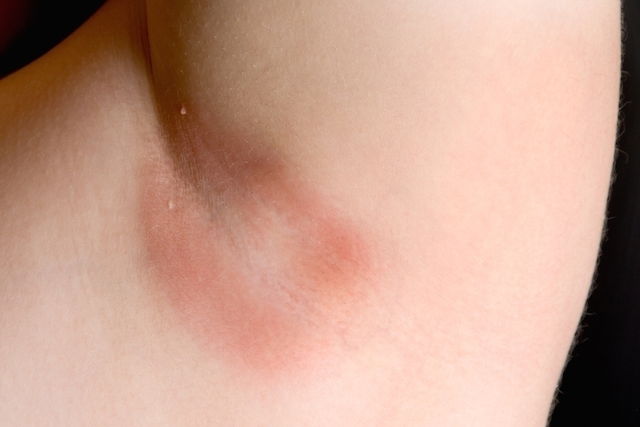
Main symptoms
The main symptoms of cutaneous candidiasis are:
- Itching
- Redness
- Red, irritated skin lesions
- Burning in the affected area
- Small cracks in the skin, in some cases
- Swelling in the affected area
Symptoms of cutaneous candidiasis are most common in warm, moist skin folds, such as the armpits, groin, under the breasts, and between the fingers or toes. They can also occur in other skin folds, including the neck, belly button, and behind the knees. Warmth and moisture in these areas can promote fungal growth.
Confirming a diagnosis
Cutaneous candidiasis is usually diagnosed by a healthcare provider based on the symptoms and a physical examination of the skin.
If the diagnosis is unclear, the provider may take a skin scraping and examine it under a microscope to look for signs of Candida. In some cases, a fungal culture may also be performed.
Possible causes
Cutaneous candidiasis is caused by Candida albicans, a fungus that can naturally live on the skin and in other parts of the body without causing problems.
According to the Centers for Disease Control and Prevention (CDC), Candida can overgrow under certain conditions and cause candidiasis.
Risk factors
According to the CDC, factors such as antibiotic or corticosteroid use and diabetes can increase the risk of candidiasis. Other risk factors for cutaneous candidiasis include:
- Very hot and/or humid weather
- Wearing clothing made from synthetic fabrics
- Wearing very tight clothing
- Thyroid disorders
- Psoriasis
- Poor hygiene
- Pregnancy
Cutaneous candidiasis can affect anyone. However, it is more common in people who are overweight, older adults, and children who wear diapers.
Treatment options
Treatment for cutaneous candidiasis should be guided by a healthcare provider. Treatment usually involves topical antifungal medications, such as nystatin, clotrimazole, miconazole, or ketoconazole, which are applied directly to the affected areas of skin.
These medications help control fungal overgrowth and relieve symptoms.
It is also important to keep affected skin folds clean and dry and wear lightweight, breathable clothing and cotton underwear when appropriate. These measures can help reduce moisture and prevent cutaneous candidiasis from coming back.
If cutaneous candidiasis develops as a result of medication use or an underlying health condition, it is important to consult a healthcare provider for an evaluation and to discuss the most appropriate treatment.
