


CoolSculpting is a non-invasive cosmetic procedure used to eliminate localized fat from different areas of the body, including the thighs, abdomen, chest, hips, and arms. It can be done by both women and men who want to reduce stubborn fat and contour their bodies without surgery.
Also known as fat freezing, CoolSculpting works by cooling fat cells to a temperature that causes them to break down without harming surrounding tissues. This process is scientifically called cryolipolysis. Over time, the body naturally eliminates the dead fat cells through the lymphatic system.
CoolSculpting can remove up to 25% of localized fat in a single treatment session. However, it should only be performed by a board-certified dermatologist or a qualified professional using FDA-cleared equipment that is properly maintained to avoid serious complications such as second- or third-degree burns.
When it's recommended
CoolSculpting is typically recommended for:
-
Reducing localized fat deposits
-
Targeting fat in specific areas that don’t respond to diet and exercise
-
Contouring the body and reducing measurements
-
Improving body shape and definition
Fat freezing can be done on several areas of the body, including the abdomen, thighs, love handles, upper arms, under the chin, knees, armpits, and upper back. While it helps reduce fat in these regions, it does not contribute to weight loss and is not recommended for that purpose.
How CoolSculpting works
CoolSculpting is based on the principle that fat cells are more sensitive to cold temperatures than other types of cells. When exposed to controlled cooling, fat cells freeze and are destroyed without damaging the surrounding skin or tissue.
The destroyed fat cells are gradually processed and removed from the body by the lymphatic system, helping reduce fat in the treated area over time.
How the procedure is done
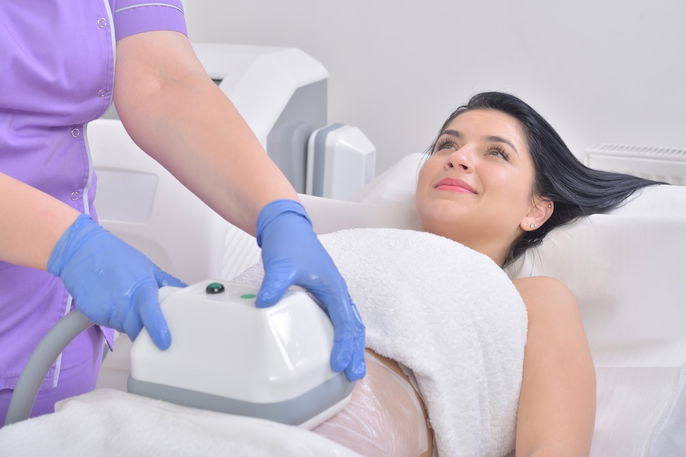
CoolSculpting is a relatively simple outpatient procedure performed by a qualified dermatologist or trained technician. The steps typically include:
-
Marking the treatment area on the skin using a special pen
-
Having the person lie down on the treatment table
-
Cleaning the skin with antiseptic
-
Applying a gel pad to protect the skin and ensure proper suction
-
Positioning the applicator of the appropriate size for the treatment area
-
After the session, removing the applicator and gel pad
-
Massaging the treated area for 2 to 3 minutes to help break down fat cells
The device uses suction and cools the area to around -7°C to -10°C (19°F to 14°F) over the course of one hour, which is the time needed to freeze and destroy the fat cells.
CoolSculpting before and after
Initial results from CoolSculpting usually begin to appear about 15 days after the session, but full results are typically seen after 8 weeks. This is the time it takes for the body to fully eliminate the destroyed fat cells.
After this period, a follow-up appointment is recommended to assess how much fat was reduced and determine if another session is needed.
There should be a minimum of 3 months between sessions, and each treatment can eliminate about 4 cm (1.5 inches) of localized fat.
Where does the fat go after cryolipolysis?
When fat cells are frozen, a localized inflammatory response occurs, triggering apoptosis, or programmed cell death. These fat cells are then naturally eliminated by the body through the lymphatic system.
This process, called phagocytosis, involves white blood cells breaking down and clearing out the dead fat cells. Contrary to popular belief, these fat cells are not removed through urine or stool.
Types of CoolSculpting (cryolipolysis)
There are different types of cryolipolysis techniques, depending on the technology and method used:
1. Traditional cryolipolysis
This involves placing a gel pad over the target area and applying an applicator that suctions the skin and cools the fat cells to destroy them.
2. Flat panel cryolipolysis
This method uses cooling plates instead of suction, reducing the risk of skin burns caused by incorrect gel pad placement.
3. Contrast cryolipolysis
This technique combines heat and cold to enhance fat elimination. Heat is applied before and after cooling to increase the effectiveness of the treatment.
4. 360-degree cryolipolysis
This version uses a 5D applicator, unlike the traditional 2D device, to provide more even cooling and treat the area more comprehensively.
The most appropriate type of CoolSculpting should be selected by a professional after evaluating the treatment area and goals.
Post-treatment care
After the procedure, a gentle massage is often recommended to smooth out the treated area. It’s also advised to undergo at least one session of lymphatic drainage or pressotherapy to accelerate fat elimination and improve results.
Other cosmetic treatments do not need to be combined with CoolSculpting, as there is no scientific evidence they enhance its effects. Regular lymphatic drainage sessions are usually enough to support the treatment.
Does CoolSculpting hurt?
During traditional CoolSculpting, discomfort can occur when the applicator first suctions the skin, often described as a strong pinching sensation. However, this usually subsides quickly as the area becomes numb from the cold.
After the session, the skin may appear red and swollen. A massage can help reduce these effects and improve the treated area's appearance. Mild soreness may occur in the hours following treatment but typically does not cause significant discomfort.
Possible health risks
The most common side effects of CoolSculpting include:
-
Pain or burning sensations on the skin
-
Redness or swelling in the treated area
-
Skin bruising
-
Tingling or numbness
These side effects may last for a few days to several weeks after the procedure.
There is also a risk of second- or third-degree burns caused by equipment malfunction or damage to the protective gel pad placed between the device and the skin.
I had CoolSculpting and my belly got bigger
In rare cases, CoolSculpting can lead to a condition called paradoxical adipose hyperplasia. Instead of reducing fat, this causes the treated area to develop larger or more numerous fat cells, leading to an increase in fat volume.
When this occurs, the recommended treatment is usually liposuction to correct the unexpected fat growth.
Who should not have CoolSculpting
CoolSculpting is not recommended for people in the following situations:
-
Pregnancy or breastfeeding
-
Children
-
Obesity
-
Cryoglobulinemia or paroxysmal nocturnal hemoglobinuria
-
Cold agglutinin disease
-
Hernia in the treatment area
It should also not be performed on areas with loose skin, wounds, cuts, scars, varicose veins, dermatitis, eczema, psoriasis, or other skin lesions or inflammation.