


- The contraceptive pill helps prevent pregnancy by stopping ovulation, thickening cervical mucus, and changing the uterine lining.
- The pill is highly effective when taken correctly, but missed or late doses can increase the risk of pregnancy.
- The pill does not protect against sexually transmitted infections, so condoms are also recommended during sex.
The contraceptive pill, or simply “the pill,” is a very safe hormonal method used to prevent an unwanted pregnancy. The pill usually contains two hormones, estrogen and progestin. Some pills contain only progestin, and these are called “minipills.”
There are different brands of oral contraceptives, such as Yasmin, Yaz, Slynd, or norethindrone progestin-only pills, for example. Although they usually work in similar ways, a healthcare provider should recommend the most appropriate pill for each person.
When used correctly, the pill may help regulate periods, improve acne, and reduce menstrual cramps. However, it can cause side effects and does not protect against sexually transmitted infections.
How does the pill work?
The main actions of the contraceptive pill are:
- Inhibiting ovulation, which prevents fertilization
- Thickening cervical mucus, making it harder for sperm to reach the uterus
- Causing changes in the lining of the uterus, also called the endometrium
The contraceptive pill is a highly effective method of preventing pregnancy. With perfect use, it is more than 99% effective, although its effectiveness is lower with typical use.
However, for the pill to be effective, it must be taken exactly as directed and doses should not be missed. Most contraceptive pills require a prescription from a healthcare provider, although Opill, an FDA-approved progestin-only pill, is available over the counter.
How to take the pill correctly
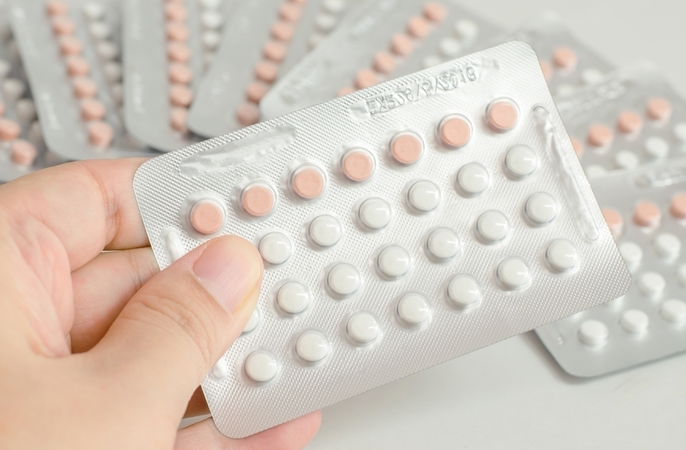
Combined pills are the most commonly used contraceptive pills and contain both estrogen and progestin. They may come in packs with 28 or 21 pills, with the following dosage instructions:
- 21-day pill: Take 1 pill every day for 21 consecutive days (3 weeks). Then, do not take any pills for the next 7 days. Withdrawal bleeding, which is similar to a menstrual period, usually occurs during this break. Start a new pack after the 7-day break.
- 28-day pill: Take 1 pill every day for 28 consecutive days (4 weeks), then start a new pack the following day without a break. In many 28-day combined pill packs, the last pills do not contain hormones and are called placebo pills. They help you stay on schedule by maintaining the habit of taking a pill every day. Withdrawal bleeding usually occurs while taking the placebo pills.
It is also recommended to take the contraceptive pill at about the same time every day, with a full glass of water.
How to take the minipill
The minipill is a type of contraceptive pill that contains only progestin as its active ingredient. It is used as an alternative for women who want or need to avoid estrogen for medical reasons.
The minipill must be taken every day without any breaks or placebo intervals between packs. It is important to take it at the same time each day, as this method requires stricter timing than other pills.
What to do if you miss a pill
If you miss a contraceptive pill, take it as soon as you remember. This helps maintain protection against pregnancy.
According to the CDC, recommendations for missed pills vary depending on the type of oral contraceptive and the number of pills missed. Missing pills or taking them late may reduce contraceptive effectiveness and increase the risk of pregnancy.
Follow the instructions included with your pill or contact your healthcare provider if you are unsure what to do.
Possible side effects
The most common side effects of the contraceptive pill include headache, breast tenderness, mood changes, irritability, and dizziness.
Other possible side effects include nausea, vomiting, diarrhea, fatigue, irregular bleeding or spotting, and weight changes.
Combined hormonal contraceptive pills may also increase the risk of blood clots in the veins or arteries.
Contraindications for use
The main contraindications for using contraceptive pills are:
-
A history of blood clots, heart attack, or stroke
-
Certain blood clotting disorders
-
Certain cases of diabetes with blood vessel complications
-
Severe or uncontrolled high blood pressure
-
Certain types of liver disease or liver tumors
-
High cholesterol or triglyceride levels
-
Hyperhomocysteinemia
-
Breast, ovarian, cervical, or uterine cancer
-
Unexplained vaginal bleeding
According to the CDC's U.S. Medical Eligibility Criteria for Contraceptive Use, the safety of contraceptive pills depends on your medical history and the type of pill. It is important to discuss your health history with a healthcare provider before starting any hormonal contraceptive.
Frequently asked questions
Some common questions about the contraceptive pill include:
1. Does the pill cause weight gain?
Most contraceptive pills are not clearly linked to significant weight gain. Some people may notice bloating, fluid retention, or small weight changes, especially when first starting the pill.
2. Is the pill abortive?
No. The contraceptive pill is not abortive. According to ACOG, birth control prevents pregnancy, while abortion pills end an existing pregnancy. If pregnancy occurs while taking the pill, stop taking it and contact your healthcare provider.
3. When should I start taking the pill?
According to the CDC, the contraceptive pill can usually be started on the first day of your period or at another time if your healthcare provider is reasonably certain that you are not pregnant.
If you do not start it within the first 5 days of your period, you may need to use a backup method, such as condoms, for the first 7 days, depending on the type of pill.
4. Can I have sex during the break week?
Yes. Pregnancy risk remains low during the break week if the pill was taken correctly throughout the previous month.
5. Do I need to stop taking the pill from time to time?
No. It is not necessary to stop taking the pill periodically to give your body a break.
6. Can men take the pill?
No. The contraceptive pill is intended for people who can become pregnant and does not have a contraceptive effect in people who produce sperm.
Learn more about male birth control, including options currently undergoing clinical trials.
7. Is the pill harmful?
Like any medication, the pill may not be safe for everyone. This is why contraindications and medical guidance should be followed.
8. Does the pill affect development?
No. Body changes during puberty, such as breast development and wider hips, are part of normal growth and are not caused by taking the pill or becoming sexually active.
9. Can you get pregnant on the pill?
Yes. Pregnancy can happen while taking the pill if doses are missed, taken late, or if vomiting or diarrhea occurs within 2 hours after taking a pill. Some medications can also reduce the pill’s effectiveness.
10. When does the pill start working?
According to the CDC, the contraceptive pill may start working immediately if it is started within the first 5 days of your period. If it is started at another time, you may need to use a backup method, such as condoms, for the first 7 days, depending on the type of pill.
11. Does the pill protect against sexually transmitted infections?
No. The contraceptive pill does not protect against sexually transmitted infections (STIs), so condoms should also be used during sex to help reduce the risk of infection.
Some studies have shown that oral contraceptives may lower the risk of certain cancers, including endometrial and ovarian cancer, but they should not be used for protection against disease.
12. Do I have to take the pill at the same time every day?
Yes. Taking your pill at the same time every day helps ensure it works as effectively as possible. This is particularly important for progestin-only pills, as the safe delay window for a missed dose varies by type.
Always follow the instructions that come with your pill, and consult your healthcare provider if you have any doubts.
