


- Bone marrow transplant may be used to treat cancers and blood disorders that affect healthy blood cell production.
- The main types are autologous transplant, which uses the person’s own cells, and allogeneic transplant, which uses cells from a donor.
- After the transplant, certain precautions are important to reduce infection risk.
Bone marrow transplant is a treatment used for diseases that affect the bone marrow, such as leukemia, lymphoma, or myeloma. These diseases can interfere with the production of blood cells and immune cells, including red blood cells, platelets, lymphocytes, and white blood cells.
A bone marrow transplant may be done by collecting healthy bone marrow cells from the person before chemotherapy or radiation therapy. This is called an autologous transplant, while a transplant using donated bone marrow is called an allogeneic transplant.
A bone marrow transplant is performed by a hematologist in the hospital and is similar to a blood transfusion. The person usually needs to stay in the hospital and follow precautions, such as wearing a mask and avoiding contact with people who are sick.
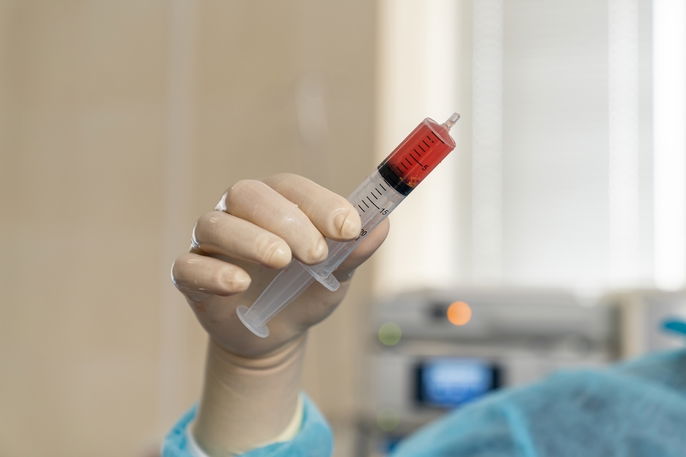
What it treats
Bone marrow transplant may be indicated to treat:
-
Bone marrow cancers, such as leukemia, lymphoma, or multiple myeloma
-
Some types of anemia, such as aplastic anemia, sickle cell disease, or thalassemia;
-
Bone marrow damage caused by aggressive treatments, such as chemotherapy
-
Congenital neutropenia
Bone marrow is made up of hematopoietic stem cells, or HSCs. These cells are responsible for producing blood cells and immune system cells.
According to the National Cancer Institute, stem cell transplants are most often used to treat cancers that affect the blood and bone marrow.
A bone marrow transplant is performed by a hematologist to replace damaged or deficient bone marrow with healthy bone marrow using healthy, functional HSCs.
Main types
There are 2 main types of bone marrow transplant:
1. Autologous transplant
Autologous bone marrow transplant, or “autotransplant,” is mainly used in people who need radiation therapy or chemotherapy.
It involves collecting healthy bone marrow cells before starting treatment and then injecting them back into the body after treatment. This helps the body produce healthy bone marrow again.
2. Allogeneic transplant
In an allogeneic transplant, the cells to be transplanted are collected from a healthy donor. The donor needs special blood tests to confirm that the cells are compatible before they are transplanted into a compatible patient.
3. Stem cell transplant
In addition to other types of transplant, stem cells from umbilical cord blood can also be collected and stored in a cord blood bank.
According to the U.S. Food and Drug Administration, cord blood contains blood-forming stem cells that are routinely used to treat some cancers, such as leukemia or lymphoma, and other blood or immune system disorders.
How to prepare
Before a bone marrow transplant, several tests are performed to prepare the patient and collect healthy cells for the procedure.
In the case of an autologous transplant, also known as an “autotransplant,” the person needs several tests to assess their overall health and how the disease is progressing.
In the case of an allogeneic transplant, meaning a transplant from a different donor, compatibility testing is very important to make sure the cells can be used.
Some tests that may be done include a complete blood count (CBC), HLA test, electrocardiogram, X-ray, or CT scan, for example.
How cells are collected
Once the test results are favorable, healthy cells can be collected for transplant.
For this procedure, the donor or the person receiving their own cells is given general or epidural anesthesia. A small surgical procedure is then performed using a needle to collect bone marrow from inside the hip bones.
These cells are then frozen and stored until the bone marrow transplant can be performed.
Who can donate bone marrow?
According to the NMDP Registry, people in the United States can join as unrelated bone marrow or blood stem cell donors from ages 18 to 35 and generally remain on the registry until age 61.
Eligibility also depends on overall health, medical history, and height and weight evaluation, and certain conditions, such as HIV, active cancer, heart disease, or some autoimmune disorders, may prevent donation.
How the transplant is performed
The transplant is done through a process that is very similar to a blood transfusion. It can take about 30 minutes to 2 hours.
The doctor performs a bone marrow transplant in the following steps:
-
Analyzes blood samples from the person and the donor to assess compatibility, if an allogeneic transplant is being performed
-
Collects bone marrow cells from the person, if an autologous transplant is being performed, or from the donor, if an allogeneic transplant is being performed
-
Performs chemotherapy and/or radiation therapy to eliminate malignant cells and destroy diseased bone marrow
-
Introduces the cells collected from the donor or from the person into the bloodstream through a catheter, which is a thin tube
After this, the healthy cells begin to multiply and form new bone marrow that can produce blood cells.
Compatibility testing
Bone marrow transplant compatibility should be assessed before an allogeneic transplant. This helps reduce the risk of rejection and serious complications, such as internal bleeding or infections.
For this, the potential bone marrow donor may need to provide a blood sample or cheek swab at a specialized center or donor registry so compatibility can be assessed.
If the donor is not compatible, they may remain in the registry and be contacted later for another person who is compatible.
The process of assessing bone marrow compatibility usually starts with the person’s siblings, as they are more likely to have similar bone marrow. If siblings are not compatible, the search can then be expanded to national donor registries.
Potential risks
The main risks or complications of bone marrow transplant include:
-
Anemia
-
Cataracts
-
Bleeding in the lungs, intestines, or brain
-
Kidney, liver, lung, or heart damage
-
Severe infections
-
Rejection
-
Graft-versus-host disease
-
Reaction to anesthesia
-
Disease relapse
Complications from bone marrow transplant are more common when the donor is not fully compatible, but they may also be related to the person’s own body response.
For this reason, it is important for both the donor and the recipient to complete all laboratory testing to check compatibility and the possibility of reactions.
Care after the transplant
After a bone marrow transplant, certain precautions are necessary to reduce the risk of infection and other complications, including:
-
Wearing a protective mask for the amount of time recommended by the doctor
-
Washing the hands frequently with plain soap and water, especially after handling food, leaving the house, using the bathroom, changing diapers, or touching objects or doorknobs
-
Drinking filtered water and not eating raw or undercooked foods
-
Washing vegetables and fruits well before eating
-
Eating a healthy diet that is rich in protein
-
Maintaining good oral hygiene by flossing daily and brushing the teeth 2 to 3 times per day
-
Avoiding contact with sick people, enclosed spaces, or crowds
In addition, sun exposure should be avoided. Sunscreen with at least SPF 30 should be applied to the skin, and the moisturizer recommended by the doctor should be applied after bathing. Products with fragrance should be avoided.
It is also important to care for the central venous catheter or peripheral catheter. The nurse’s instructions should be followed for catheter flushing and dressing changes.
Warning signs
The doctor who performed the transplant should be contacted, or the person should go to the emergency room, if they develop fever or chills, dizziness, cough, a runny or stuffy nose, pain or burning when urinating (dysuria), chest pain, shortness of breath, redness, or blisters on the skin.
Medical help should also be sought if symptoms develop such as a sore throat, ear pain, eye pain, abdominal pain, diarrhea, or irritation around the anus.
The person should also see a doctor if there is redness, swelling, bleeding, or leakage around the central or peripheral catheter, or if they have difficulty flushing the catheter.