


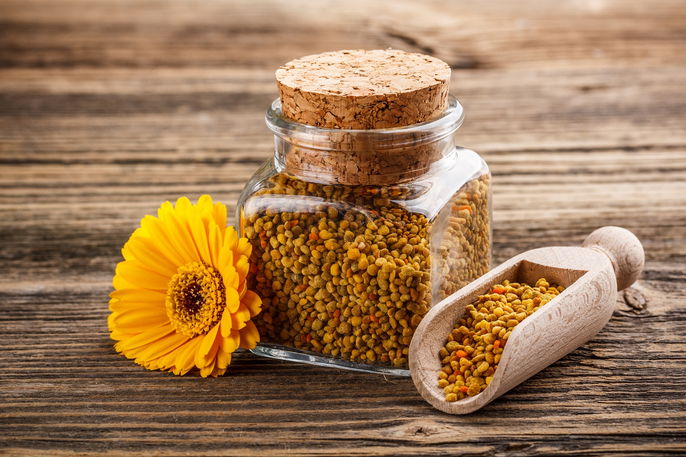
Bee pollen is a grain produced by flowers and used as food by bees. Because it is rich in vitamins, minerals, and bioactive compounds, such as flavonoids and carotenoids, bee pollen has antioxidant and anti-inflammatory properties.
Also known as bee pollen, pollen may help prevent the flu and colds, regulate bowel function, and prevent premature aging. It may also offer bee pollen benefits for cardiovascular health and help prevent diabetes and cancer, for example.
Bee pollen is sold in dehydrated or powdered form and can be added to yogurt, fruit, soups, smoothies, and juices. It can also be taken as capsules, but its use should be guided by a registered dietitian or nutritionist.
Main benefits
The main benefits of consuming bee pollen are:
1. Helps prevent cancer
Bee pollen contains flavonoids and carotenoids, which are compounds with antioxidant and anti-inflammatory action. These compounds help neutralize free radicals in the body and may help prevent the development of cancer.
2. Prevents the flu and colds
Because it has immunomodulating properties, bee pollen strengthens the immune system and increases the body’s resistance to infections. This can help prevent the flu and colds.
3. Increases energy and stamina
Bee pollen contains a good amount of calories, which can increase energy and physical and mental stamina. It may be an interesting option for people who use a lot of energy throughout the day, such as people who exercise regularly or construction workers, for example.
4. Prevents premature aging
Because it contains antioxidant compounds, such as flavonoids, catechins, terpenes, and beta-carotene, bee pollen helps protect the skin against damage caused by free radicals. This helps prevent sagging and premature aging.
5. Improves cardiovascular health
Because it contains compounds with antioxidant and anti-inflammatory properties, bee pollen helps maintain artery health and prevents fat cells from oxidizing. This can lower blood cholesterol and triglyceride levels and help prevent atherosclerosis, heart attack, and stroke.
6. Regulates the intestines
Bee pollen contains catechins and flavonoids, which are compounds with prebiotic action that strengthen beneficial bacteria in the intestines. This helps maintain a healthy gut microbiota and regulate bowel function.
7. Prevents diabetes
Because it has antioxidant properties, bee pollen protects the pancreatic cells responsible for producing insulin. This may help prevent insulin resistance and diabetes.
8. Protects the brain
Bee pollen may have a neuroprotective effect, as its antioxidant action may protect the brain from the effects of free radicals. This can help prevent neuron damage and reduce the risk of diseases such as dementia, Alzheimer’s disease, and Parkinson’s disease, for example.
Nutrition information table
The following table contains the nutrition information for 100 g of bee pollen, which is equal to about 6 tablespoons:
To get the benefits of bee pollen, it is also important to maintain a healthy, balanced diet, drink plenty of water, and exercise regularly.
How to consume bee pollen
Bee pollen can be found in dehydrated form and added to yogurt, fruit, soups, salads, granola, smoothies, and juices.
In general, the recommended intake is 3 to 4 teaspoons of bee pollen per day for adults and 1 to 2 teaspoons per day for children, for up to 90 days.
Bee pollen can also be taken in capsule form, generally 1 to 2 capsules per day before meals, or as a powder, by mixing 1 to 2 teaspoons with water, juice, or yogurt.
However, guidance from a registered dietitian or nutritionist is recommended to determine the right dose according to the person’s age and health status.
Possible side effects
Possible side effects of bee pollen include nausea, vomiting, and diarrhea, which may occur when it is consumed in large amounts.
Bee pollen can also cause allergic reactions, such as itching, skin rashes, and swelling, in people who are sensitive to products made by bees.
Who should not use it
Bee pollen should not be used by women who are pregnant or breastfeeding. In addition, people who are allergic to pollen or bee honey should avoid bee pollen.
People with autoimmune diseases, such as rheumatoid arthritis and lupus, should also avoid using bee pollen, as it may stimulate the immune system to act against the body itself.
People who take warfarin should talk to a doctor before using this supplement because bee pollen may increase the effects of the medication, raising the risk of bleeding.
