


An adenoidectomy is a surgical procedure to remove enlarged or swollen adenoids that cause breathing difficulties, snoring, sleep apnea, or recurrent ear, nose, or throat infections. It is usually recommended when the adenoids obstruct airflow or lead to repeated infections that do not improve with medication.
The adenoids are small lymphatic tissues located between the throat and the nose that help fight infections by producing antibodies. However, when they become too large, they can interfere with normal breathing and swallowing, especially in children. In these cases, surgery may be necessary to restore normal airflow and prevent complications.
An adenoidectomy is performed by an otolaryngologist under general anesthesia, and recovery usually takes about 2 weeks. Following surgery, rest, hydration, and medications prescribed by the doctor are essential to promote healing and prevent complications.
Indications for surgery
Adenoidectomy may be recommended in the following situations:
- Persistent nasal obstruction;
- Difficulty breathing or breathing through the mouth;
- Sleep apnea;
- Snoring;
- Difficulty swallowing and eating;
- Changes in speech development in children;
- Recurrent ear, nose and throat infections;
- Loss of hearing or smell.
Adenoid surgery can be performed from the age of 6, but in more severe cases, such as heavy sleep apnea, in which breathing stops during sleep, the doctor may advise surgery even earlier.
This surgery can be done alone or in combination with a tonsillectomy (surgical removal of the tonsils) or myringotomy (a surgery that involves drainage of fluid from the eardrum).
Also recommended: Tonsillectomy: Surgery, Recovery & What to Eat tuasaude.com/en/tonsillectomyDoes an adenoidectomy impact immunity?
Adenoid surgery does not negatively impact immunity, as the body has other defense mechanisms it can utilize.
Preparation for surgery
To prepare for adenoid surgery, it is recommended to fast for at least 8 hours, as general anesthesia is required.
It is important to inform your doctor of all medications, supplements, vitamins or natural products that you use regularly, as some may interfere with recovery or increase the risk for bleeding.
You should also inform your doctor if you are allergic to anesthetics or any other medication.
Surgical procedure
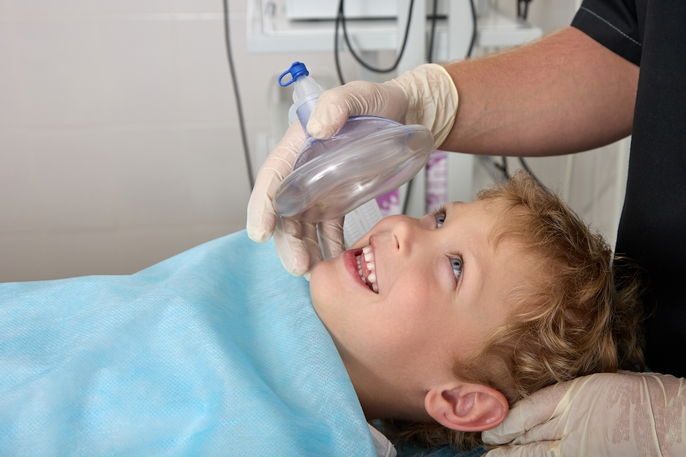
Adenoid removal surgery is performed by an otolaryngologist in a hospital setting under general anesthesia. They are removed from the mouth, usually through the following steps:
- Application of general anesthesia;
- Oral intubation to keep the airway open;
- Placement of a device in the mouth to keep it open;
- Removal of adenoids;
- Nasal irrigation with saline solution;
- Placement of an absorbent material on the site to control bleeding.
Adenoid surgery can be performed using different techniques, such as laser ablation, coblation with total or partial removal of the adenoid, or endoscopic excision. It generally lasts around 30 minutes.
When performed with a tonsillectomy, the adenoidectomy is completed first. When done in combination with a myringotomy, it is performed second.
After an adenoidectomy, the person will typically remain in the hospital for 24 hours so that they can be monitored and so that the effect of the anesthesia wears off.
Recovery time
Although adenoid surgery is a simple and quick procedure, recovery from surgery lasts about 2 weeks. During this time it is important to:
- Rest and avoid sudden head movements;
- Eat soft, cold and liquid foods for 3 days or as advised by your doctor;
- Avoid crowded places, such as shopping malls;
- Avoid contact with people with respiratory infections;
- Take antibiotics as advised by your doctor.
During recovery it is expected to feel pain, especially in the first 3 days. The doctor may prescribe analgesic or anti-inflammatory medications to help relieve discomfort, such as acetaminophen or ibuprofen.
Possible risks
Adenoid surgery is a safe procedure, however, like any other type of surgery, it is associated with general risks, such as bleeding, infections, anesthesia complications, vomiting, fever and swelling of the face. These should be reported immediately to the surgeon.
Can an adenoidectomy be life-threatening?
An adenoidectomy is generally a safe surgical procedure, and the risk of serious complications, including death, is extremely low. However, as with any type of surgery, there are rare risks, such as allergic reactions to anesthesia.
Can an adenoid grow back?
Although it is rare, an adenoid can grow back if not removed properly. This risk is higher if the surgery is performed during childhood.
Follow up instructions
You should follow-up with your surgeon at least once following surgery for an assessment, but it is important to see a doctor right away if you experience any of the following:
- Intense pain that does not improve with medication;
- Chest pain;
- Fever, above 38ºC (or 100.4ºF);
- Neck pain or stiffness;
- Bleeding from the nose or mouth;
- Vomiting;
- Dark stools or stools with bright red blood;
- Difficulty eating.
These symptoms may indicate complications from surgery, and you should seek urgent medical assistance to prevent worsening of these complications.