


Cholestasis of pregnancy happens when bile, which is made in the liver, cannot flow properly into the intestine to help digest fats. Instead, it builds up in the body and can cause symptoms such as severe itching, pale stools, dark urine, and loss of appetite.
These symptoms usually appear near the end of the second trimester or the beginning of the third trimester. They should always be reported to an obstetrician because cholestasis of pregnancy can lead to complications such as preterm birth, fetal distress, and an increased risk of stillbirth.
Treatment for cholestasis of pregnancy should be guided by an obstetrician. The condition usually improves after the baby is born, but follow-up with an OB-GYN is still important for 6 to 12 weeks after delivery, until liver test results return to normal.
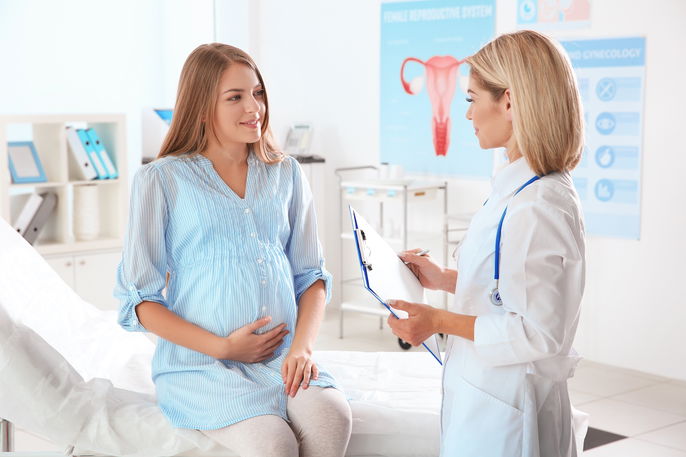
Main symptoms
The main symptoms of cholestasis of pregnancy are:
-
Itching all over the body, usually starting on the hands and feet
-
Pale or whitish stools
-
Fat in the stools
-
Yellowing of the skin and eyes
-
Pain in the upper right side of the abdomen
-
Nausea
-
Excessive tiredness
The itching usually begins around the sixth month of pregnancy and tends to get worse at night. In some cases, small bumps may also appear on the skin.
Confirming a diagnosis
Cholestasis of pregnancy is usually first suspected by an OB-GYN or midwife based on symptoms, a physical exam, and the pregnant person’s medical history.
According to the Society for Maternal-Fetal Medicine (SMFM), the diagnosis should then be evaluated with blood tests, especially total serum bile acid levels and liver transaminases such as AST and ALT.
Possible causes
The exact cause of cholestasis of pregnancy is unknown, but it is believed to result from a combination of factors, including the normal hormonal changes of pregnancy, genetic predisposition, and environmental factors.
These factors can reduce bile flow from the liver, causing bile acids to build up in the liver and enter the bloodstream, which leads to symptoms.
Risk factors
Some factors can increase the risk of cholestasis of pregnancy, such as:
-
Pregnancy after age 35
-
A family history of cholestasis of pregnancy
-
Pregnancy with twins or more babies
In addition, a personal history of gallstones or hepatitis, for example, may also increase the risk of cholestasis of pregnancy.
Treatment options
Treatment for cholestasis of pregnancy should be guided by an obstetrician and aims to relieve symptoms in the mother and reduce risks for the fetus.
To help control itching, the doctor may recommend body creams. Medicines may also be used to lower bile acid levels in the blood, such as ursodiol, and vitamin K may be recommended to help prevent bleeding because absorption of this vitamin in the intestine can decrease.
If bile acid levels remain elevated or increase significantly, the doctor may recommend planned delivery based on gestational age and bile acid levels. According to SMFM, delivery is recommended at 36 0/7 weeks for patients with total bile acid levels of 100 μmol/L or higher, and between 36 0/7 and 39 0/7 weeks for those with bile acid levels below 100 μmol/L.
During pregnancy, the fetus is usually monitored with tests that assess heart rate, movement, muscle tone, breathing, and the amount of amniotic fluid, although this monitoring may not fully prevent complications.
Potential complications
Cholestasis of pregnancy can affect the developing baby and is associated with complications such as:
-
Preterm birth
-
Meconium-stained amniotic fluid, which can affect breathing
-
Fetal distress, with changes in heart rate and reduced fetal movement
-
Stillbirth, especially in more severe cases
Because of these risks, an OB-GYN may recommend induction of labor before 40 weeks of pregnancy, depending on clinical evaluation. Cholestasis of pregnancy alone does not require a cesarean delivery, and the mode of delivery is usually based on obstetric indications.