


Slimming teas, such as green tea, ginger tea, and white tea, contain compounds that may help boost metabolism and support fluid balance in the body. These effects may reduce bloating and contribute to weight loss when combined with healthy habits.
Some teas, including hibiscus and artichoke, have natural diuretic properties that help reduce fluid retention and abdominal swelling. Other options, like mate and matcha tea, may promote satiety (feeling of fullness) and increase energy expenditure.
Different types of slimming teas offer specific benefits, from reducing appetite to improving digestion and fluid balance. Proper preparation, safe intake, and awareness of precautions are important to maximize benefits and avoid side effects.
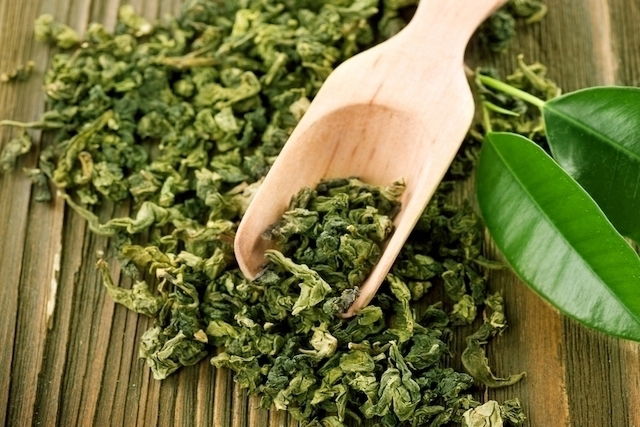
1. Green tea
Green tea may help with weight loss because Camellia sinensis has diuretic properties, which help eliminate excess fluid from the body and reduce abdominal bloating.
In addition, green tea has thermogenic properties, which may increase calorie expenditure and support weight loss.
Ingredients:
-
1 teaspoon of dried green tea leaves
-
1 cup of boiling water
Preparation:
Add the green tea leaves to the boiling water, cover, and let steep for 5 to 10 minutes. Strain and drink warm. Drink up to 4 cups per day.
Precautions: green tea is not recommended for children or for people who are pregnant or breastfeeding. It is also not recommended for people with insomnia, kidney or liver problems, anemia, thyroid disorders, stomach ulcers, or gastritis.
People with high blood pressure may drink up to 3 cups of green tea per day, but only under medical guidance, as green tea may affect how blood pressure medications work.
2. Hibiscus tea
Hibiscus is a good option for weight loss because it is rich in flavonoids, which are antioxidants that may help prevent fat accumulation in the abdomen and hips.
Hibiscus tea also helps eliminate excess water retained in the body, helping reduce abdominal bloating.
Ingredients:
-
2 tablespoons of dried hibiscus flowers
-
1 cup of water just beginning to boil
Preparation:
Boil the water, add the hibiscus flowers, and turn off the heat immediately. Cover the container and let it steep for 5 to 10 minutes. Strain and drink. Drink 2 cups of this tea per day, before or after main meals.
Precautions: hibiscus tea is not recommended without medical guidance during pregnancy, while breastfeeding, for children under 12, or for people with kidney or liver disease.
3. Black tea
Black tea contains several antioxidants that help eliminate fat from food through the stool, directly supporting weight loss.
In addition, black tea has diuretic properties, which help reduce fluid retention and abdominal bloating.
Ingredients:
-
1 teaspoon of black tea leaves
-
1 cup of water
Preparation:
Boil the water and add the black tea leaves. Turn off the heat, cover, and let steep for 5 to 10 minutes. Strain and drink up to 2 cups per day while still warm.
Precautions: because it contains caffeine, black tea is not recommended for children, people who are pregnant or breastfeeding, or people with insomnia or gastritis.
Black tea may cause anxiety or agitation in some people. In these cases, intake should be reduced.
4. Ginger tea
Ginger tea may help reduce abdominal bloating because it has diuretic and thermogenic effects, helping reduce fluid retention and increase energy metabolism.
In addition, this tea may reduce fat absorption from food in the intestine and help control hunger, decreasing food intake and supporting weight loss.
Ingredients:
-
1 teaspoon (1 g) of peeled ginger root
-
1 cup of water
Preparation:
To prepare the tea, add the ginger and water to a pot and boil for 5 to 10 minutes. Turn off the heat, cover the pot, and let it cool slightly before straining and drinking. Ginger tea can be consumed up to 4 times per day.
Precautions: ginger tea should be avoided by people who are pregnant or breastfeeding and should not be given to children.
People with gallstones, bleeding disorders, or those taking anticoagulant medications should also avoid this tea.
5. Yerba mate tea
Yerba mate tea is rich in caffeine, a diuretic substance that helps eliminate excess fluid from the body and reduce abdominal bloating.
In addition, yerba mate tea contains antioxidants that promote satiety, reducing food intake and supporting weight loss.
Also recommended: Yerba Mate for Weight Loss: Instructions for Use (Plus Recipes) tuasaude.com/en/yerba-mate-for-weight-lossIngredients:
-
1 teaspoon of dried yerba mate tea leaves
-
1 cup of water
Preparation:
Boil the water in a container, add the herb, and turn off the heat immediately. Cover and let steep for 5 to 10 minutes. Strain and drink.
This tea can be consumed hot or cold, 3 to 4 cups per day before or after meals.
Precautions: yerba mate tea is not recommended for children, people who are pregnant or breastfeeding, or people with insomnia or gastritis.
Yerba mate tea may cause agitation or anxiety. In these cases, intake should be reduced.
6. Matcha tea
Matcha tea is a type of green tea sold in powdered form. It is rich in antioxidants and caffeine, which may help increase energy expenditure and promote the elimination of excess fluid. For this reason, matcha tea may help reduce abdominal bloating.
Ingredients:
-
1 teaspoon of matcha
-
1 cup of water
Preparation:
Heat the water until it begins to boil. Turn off the heat and add the matcha. Mix well until completely dissolved. Let cool slightly and drink.
Drink up to 3 cups per day before or after meals and after physical activity.
Precautions: matcha tea is not recommended for children, during pregnancy or breastfeeding, or for people who have trouble sleeping or gastritis.
Agitation or insomnia may occur when drinking matcha. In these situations, intake should be reduced.
7. Carqueja tea
Carqueja contains flavonoids, antioxidants that, among other benefits, help the body eliminate body fat.
In addition, carqueja tea has diuretic properties, helping eliminate excess water retained in the body and reduce abdominal bloating.
Also recommended: Carqueja Tea: Benefits, How to Make & Side Effects tuasaude.com/en/main-benefits-of-carqueja-teaIngredients:
-
2 tablespoons of dried carqueja
-
1 liter of water
Preparation:
Place the carqueja in boiling water and let steep for 5 to 10 minutes. Strain and drink 2 to 3 cups per day.
Precautions: carqueja tea is contraindicated for children and people who are pregnant or breastfeeding. It is also not recommended for people with severe liver problems or gallstones.
8. Lavender tea
Lavender tea is a strong calming tea that may help control anxiety and food cravings, supporting efforts to reduce abdominal bloating.
In addition, lavender tea has diuretic properties, helping reduce excess fluid in the body and abdominal bloating.
Ingredients:
-
30 g of lavender flowers
-
1 liter of water
Preparation:
Bring the water to a boil, then add the lavender flowers and turn off the heat. Cover the pot and let it cool for 5 to 10 minutes. Strain and drink. You can drink up to 3 cups of lavender tea per day.
Precautions: lavender tea is contraindicated for children, people who are pregnant or breastfeeding, and people with stomach ulcers.
9. White tea
White tea may help reduce abdominal bloating because it has thermogenic and diuretic effects, helping eliminate excess fluid from the body and increase metabolism.
Ingredients:
-
1 teaspoon of white tea
-
200 mL of water
Preparation:
Place the water in a kettle and heat it. As soon as small bubbles begin to form, turn off the heat and add the herb.
Cover the pot and let steep for 5 minutes. Strain and drink while still warm. It is recommended to drink up to 3 cups of white tea per day, between meals.
Precautions: white tea should not be consumed by people who are pregnant or breastfeeding, or by children.
People with trouble sleeping, anxiety, arrhythmia, thyroid disorders, kidney or liver problems, anemia, stomach ulcers, or gastritis should not drink white tea.
10. Artichoke tea
Artichoke tea has a strong diuretic effect, helping eliminate excess fluid from the body and reduce abdominal bloating.
Ingredients:
-
1 liter of water
-
1 teaspoon (5 to 6 g) of dried artichoke leaves
Preparation:
Boil the water in a pot or kettle and turn off the heat. Add the artichoke leaves, cover, and let steep for 5 to 10 minutes. Strain and drink throughout the day.
Precautions: artichoke tea is not recommended for children, people who are breastfeeding, or people with gallstones, liver cancer, or hepatitis.
According to the FDA, dietary supplements, including herbs, are not approved for safety and effectiveness before they are sold, so herbal teas should be used cautiously and with medical guidance when health conditions are present.
