


A gestational diabetes diet focuses on low-glycemic foods, such as whole grains, fruits, and vegetables, to help manage blood sugar levels during pregnancy. These foods are rich in fiber, which slows sugar absorption and supports more stable glucose levels.
A gestational diabetes diet also limits high-glycemic and ultra-processed foods, such as sweets, refined grains, and sugary drinks. These foods can raise blood sugar quickly and increase the risk of complications like excessive fetal growth, premature birth, and other health issues.
Following a structured gestational diabetes eating plan with balanced meals and snacks throughout the day can help prevent both high and low blood sugar levels. A sample meal plan, together with lists of foods to include and avoid, can guide safe and healthy food choices during pregnancy.
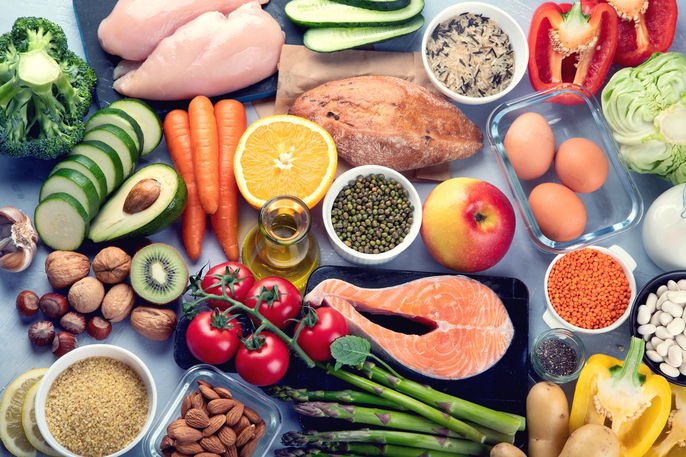
Foods to eat
A gestational diabetes diet should include natural foods that are high in fiber, lean protein, and healthy fats, such as:
- Whole grains, like brown rice, whole wheat bread, quinoa, amaranth, and corn
- Fresh fruit, like bananas, oranges, pears, peaches, apples, kiwis, plums, and strawberries
- Vegetables, like lettuce, tomatoes, arugula, onions, green beans, broccoli, and squash
- Lean proteins, like skinless chicken, fish, seafood, eggs, tofu, and low-fat cuts of meat
- Legumes, like soybeans, chickpeas, beans, lentils, and peas
- Nuts, like Brazil nuts, peanuts, walnuts, hazelnuts, and almonds
- Low-fat dairy, like skim or 1% milk, Greek yogurt, ricotta, and cottage cheese
- Vegetable oils, like olive oil, avocado oil, and flaxseed oil
- Seeds, like chia seeds, flaxseeds, sesame seeds, pumpkin seeds, and sunflower seeds
- Yacon root, which is low in calories and contains fiber that may help regulate blood sugar levels
It is important to remember that whole grains are also rich in carbohydrates and should be eaten in moderation. Read more about high-carb foods to eat in moderation.
According to the National Institute of Diabetes and Digestive and Kidney Diseases, food choices, portion sizes, and meal timing are all important for keeping blood glucose levels within the target range during gestational diabetes.
Foods to avoid
Ultra-processed foods should be avoided on a gestational diabetes diet, as they are often high in salt, sugar, fat, and refined carbohydrates, and can raise blood sugar levels quickly. These foods include:
- Sugary foods, like ice cream, sugar, honey, caramel, chocolate, jams, candied fruit, canned fruit in syrup, juice boxes, and soda
- Processed meats, like prosciutto, sausages, bacon, jerky, and salami
- High-glycemic foods, like cake, white bread, crackers, cereal, manioc flour, watermelon, grapes, and melon
- Starchy vegetables and tubers, like potatoes, celery root, yams, and sweet potatoes
- High-fat foods, like butter, fried foods, lard, whole milk, whole yogurt, cookies, and salty snacks
Natural juices, dried fruit, and canned fruit should also be avoided, as they can increase blood sugar levels
Reading food labels is important, as sugar may appear under different names, such as glucose, corn syrup, fructose, maltose, and maltodextrin.
Meal plan
The table below shows a 3-day sample meal plan for a gestational diabetes diet:
This meal plan is only an example. Food choices and serving sizes may vary depending on weight, health status, stage of pregnancy, and activity level.
According to the American Diabetes Association, managing diabetes during pregnancy may include nutrition, lifestyle changes, physical activity goals, and medication when needed.
A registered dietitian can help create a personalized meal plan based on individual nutritional needs and food preferences.
