


- See a doctor if gas is persistent and comes with ongoing abdominal pain, bloating, or a general feeling of being unwell
- Seek medical care if you have gas along with changes in bowel habits, such as frequent diarrhea, constipation, or both
- Get medical attention if gas starts after new medications or is accompanied by unexplained weight loss or severe discomfort
Intestinal gas is a natural byproduct of food fermentation and the regular digestion process occurring in the gut. Identifying triggers like swallowed air or the consumption of carbonated drinks can help clarify the common question of why am I so gassy.
Sensitivities to specific food components, such as lactose in dairy or gluten in grain, often lead to inflammation and slower intestinal transit. Biological factors like pregnancy or an imbalance in the gut microbiota also increase fermentation time and gas accumulation.
Chronic health conditions such as irritable bowel syndrome or persistent constipation frequently result in abdominal bloating and excessive flatulence. Managing these symptoms typically involves dietary modifications, regular physical activity, and consulting a healthcare professional for targeted treatments like probiotics.
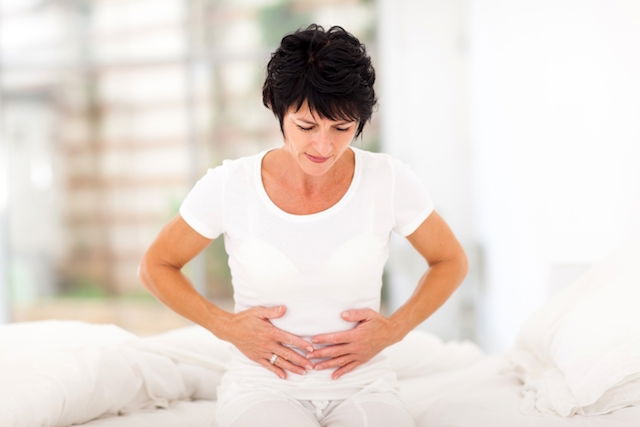
What causes excessive gas?
Being extra gassy can be the result of:
1. Swallowing too much air when eating
Eating too quickly, due to stress or anxiety for example, can cause air to enter the body. This contributes to gas formation in the intestines, which can be very uncomfortable and cause abdominal pain.
What to do: In this case, you should slow down when eating to prevent air from entering the body during meals. This can help prevent future bouts of gas from returning. You may also benefit from using some medications, like simethicone and dimethicone.
2. Eating hard-to-digest foods
Some foods, mainly carbohydrates, protein and fats, take longer to digest and take longer to ferment in the intestines. This leads to increased gas production. The main foods responsible for excess gas are:
- Cabbage, broccoli, cauliflower, corn and milk
- Chickpeas, peas, lentils, potatoes
- Beans, sweet potato, yogurt, eggs
- Fizzy drinks, beer, onion, asparagus
Foods that are made up of a combination of fiber and fat can also lead to increased gas production. Some foods can cause gas in some people but not others, therefore it is important to monitor your food intake to determine which foods cause more gas. Read more about foods that cause gas.
What to do: Avoid the food that is responsible for increased gas, and try opting for meals that are light and easy to digest. This can help to promote balance in the intestinal flora and relieve symptoms of excess gas.
In addition, you can drink chamomile tea or sweet grass tea to help eliminate accumulated gas. Check out other foods that reduce bloating that you can incorporate into your diet.
3. Taking antacids or antibiotics
Using antacids or antibiotics can interfere with intestinal flora and impact the fermentation process, leading to increased gas production.
What to do: If you are experiencing a lot of discomfort, you should speak to your prescriber to see if an alternative medication possible or discuss if you should discontinue the medication. The doctor may also assess the need to use additional medication to relieve discomfort caused by gases. In the meantime, you can try these home remedies for gas to complement your medical treatment.
4. Lack of physical activity
A lack of physical activity can slow down digestion, which increases fermentation times and gas. Sedentary people tend to have more constipation, which can also increase intestinal gas formation, as the stools linger in the intestines for longer.
What to do: You should engage in physical activity on a regular basis to improve intestinal function and decrease gas. To start, you may find it beneficial to walk 20 minutes every day and slowly pick-up the pace or distance over time.
5. Constipation
Constipation can also cause increased gas accumulation, as stools remain longer in the intestines. This increases the fermentation time and makes gas elimination for difficult, which can lead to abdominal discomfort.
What to do: It is important to invest in habits that help to fight constipation, like eating a healthy diet rich in fibers, drinking plenty of water throughout the day, and exercising regularly. These factors can improve intestinal function and decrease gas. Get an understanding of which naturally laxative foods are best to treat prevent constipation.
Be sure to also check out other home remedies to try to help you can treat constipation naturally.
6. Fizzy drinks
Drinks with gas can also increase gas production, as you will tend to swallow more air when drinking them.
What to do: In this case, you should avoid drinking fizzy drinks, as you will be able to burp easier and eliminate gases. Check out other ways you can get rid of gas at home.
7. Pregnancy
Gas production often increases during pregnancy because hormonal shifts, particularly higher progesterone levels, slow down the digestive process. This slower pace allows more time for gas to build up in the digestive tract.
Additionally, as the uterus grows, it can physically press against the digestive organs, which may hinder intestinal transit. Changes in eating habits and a decrease in regular physical activity during pregnancy can also contribute to gas accumulation.
What to do: To manage gas during pregnancy, it is helpful to identify and avoid trigger foods, drink plenty of water, and stay as physically active as possible. Read more about how to relieve gas during pregnancy.
8. Gut dysbiosis
Gut dysbiosis occurs when there is an imbalance in the gut microbiota, which can be triggered by chronic conditions, inflammation, or the long term use of antibiotics. This disruption to the bacterial environment often leads to digestive distress.
This imbalance frequently results in symptoms like excessive gas, frequent burping, abdominal bloating, and diarrhea.
What to do: In most instances, adjusting your diet is the primary recommendation. This includes reducing your intake of simple sugars, saturated fats, and heavily processed items while increasing your consumption of fresh fruits and vegetables. In some situations, a healthcare provider may recommend probiotic supplements.
9. Gluten intolerance
Gluten intolerance, especially for those with celiac disease or non celiac gluten sensitivity, is a common cause of excess gas. Gluten can trigger inflammation and disrupt the balance of flora and movement within the intestines.
What to do: Adjusting your diet is essential to eliminating gas caused by gluten. While it may be necessary to avoid wheat, rye, malt, and barley, you should consult a physician for a formal diagnosis first. A nutritionist can then help create a meal plan with gluten-free foods tailored to your specific health requirements.
10. Lactose intolerance
Lactose intolerance can be a major source of gas when the body does not produce enough lactase. This is the enzyme required to break down lactose, the sugar naturally found in milk and other dairy products.
Beyond gas, you may notice symptoms such as diarrhea, bloating, and general indigestion after consuming dairy.
What to do: It is important to limit or avoid foods containing lactose, such as cow's milk, soft cheeses, and yogurt. Many people find success with lactose free alternatives like plant based milks or aged cheeses, which are naturally lower in lactose than fresh dairy.
Be sure to read food labels carefully, as many processed products contain hidden lactose. Consulting a nutritionist is recommended to ensure your diet remains nutritionally complete while avoiding triggers.
11. Irritable bowel syndrome
Irritable bowel syndrome (IBS) is a functional disorder that affects how the digestive system works, leading to symptoms like gas, bloating, and abdominal pain. It can also cause significant changes in bowel habits, including diarrhea, constipation, or alternating between the two.
Also recommended: IBS Symptoms: Top 10 Signs & Symptoms (w/ Online Quiz) tuasaude.com/en/ibs-symptomsWhat to do: To reduce gas, focus on avoiding trigger foods, particularly those high in FODMAPs. Practicing mindful eating by chewing slowly and avoiding carbonated drinks can also provide relief. Stress management techniques, such as meditation or regular exercise, are often effective in controlling symptoms. If gas remains a persistent issue, seek guidance from a doctor or nutritionist for a specialized treatment plan.
