


Psyllium husk is a soluble fiber obtained from the seeds of Plantago ovata that is commonly used to relieve constipation and improve bowel regularity. It works by absorbing water in the intestines, increasing stool bulk and making it easier to pass.
In addition to supporting digestion, psyllium husk may help lower LDL cholesterol and reduce blood sugar levels after meals. Because of these effects, it is often used as a natural supplement to support heart health and metabolic balance.
Psyllium husk is usually taken as a powder mixed with water, and it is important to drink plenty of fluids to reduce the risk of side effects. It is not recommended for people with bowel obstruction or certain types of chronic constipation, and medical guidance may be needed for safe use.
What it's used for
Psyllium husk can be taken to:
-
Relieve constipation
-
Regulate bowel movements
-
Promote the normal formation and elimination of stool
Psyllium husk can also help lower LDL (“bad”) cholesterol and reduce blood sugar levels after meals, because its fiber slows the absorption of fats and sugars from food.
According to the FDA, soluble fiber from psyllium husk, when included as part of a diet low in saturated fat and cholesterol, may help reduce the risk of heart disease.
Can psyllium husk help with weight loss?
Psyllium does not increase fat burning or boost how many calories your body uses. However, because it is a type of fiber, it is digested more slowly and can help you feel full for longer. This may lower your overall calorie intake throughout the day, which can support weight loss.
The healthiest way to lose weight is by following a balanced diet, ideally with guidance from a registered dietitian. This usually includes choosing high-fiber foods that are low in fat, sugar, and calories. Read more about a weight loss diet and how to get started.
How to take
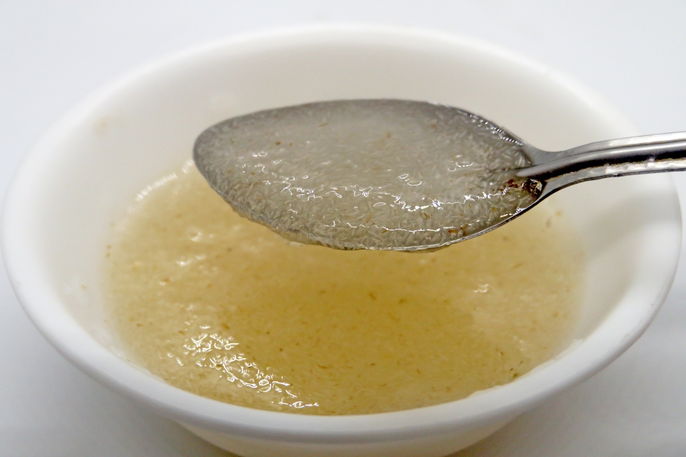
Powdered psyllium husk should be mixed into at least 8 oz (240 mL) of liquid, such as water or fruit juice, before taking. Stir well and drink it right away. If the mixture thickens, add more liquid and stir again.
Do not swallow psyllium husk powder dry, as this can increase the risk of choking or bowel obstruction.
Recommended psyllium doses vary by product and age:
- Adults and children over 12: The usual dose is 1 rounded teaspoon or 1 packet mixed with 8 oz (240 mL) of liquid, 1 to 3 times per day.
- Children 6 to 11 years old: The usual dose is half the adult dose, mixed with 8 oz (240 mL) of liquid, 1 to 3 times per day.
Children under 6 should only use psyllium if recommended by a doctor, and it is important to drink plenty of fluids while taking it to help it work properly and reduce the risk of complications.
Psyllium husk usually produces a bowel movement within 12 to 72 hours. It should not be used for longer than 7 days unless recommended by a doctor.
Psyllium may affect how some medications are absorbed, so other medications should generally be taken at least 2 hours before or after psyllium.
Possible side effects
The most common side effects of psyllium are excess gas, abdominal pain, and bloating.
Stop taking psyllium and seek medical attention if constipation lasts for more than 7 days or if symptoms like blood in the stool, nausea, vomiting, or severe abdominal pain occur. These may be signs of a bowel obstruction.
Go to the hospital immediately if symptoms of an allergic reaction occur, such as difficulty breathing or swelling of the throat, mouth, tongue, or face.
Contraindications for use
Psyllium husk should not be taken by children under 6 unless recommended by a doctor. It should also be avoided by people who have trouble swallowing, are allergic to any ingredient in the formula, or have a history of bowel obstruction, chronic constipation, or constipation after surgery.
People with diabetes should only use psyllium husk under medical guidance, as it can lower blood sugar levels and may require adjustments to insulin or other diabetes medications. Some psyllium husk products may also contain sugar, so it is important to check the label before taking them.
