


Foods to avoid during pregnancy include raw fish, undercooked meat, unpasteurized dairy, and foods that may contain harmful bacteria or parasites. These foods can increase the risk of infections like listeria or toxoplasmosis, which may affect fetal development.
Other foods to avoid during pregnancy include fish high in mercury, alcohol, excess caffeine, and unwashed fruits and vegetables. These can harm the baby’s developing nervous system, affect growth, or impact overall health.
Some foods, such as raw eggs, certain artificial sweeteners, and vitamin A-rich foods like liver, should be limited or avoided during pregnancy. Understanding which foods to steer clear of, along with safer alternatives, can help support a healthy diet and lower risks for both mother and baby.
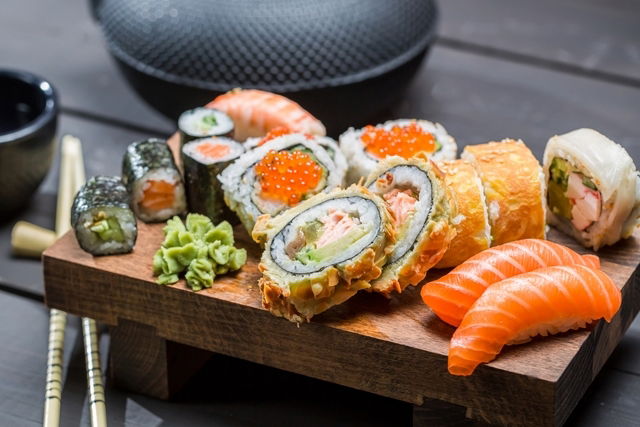
Foods to avoid during pregnancy include:
1. Raw fish and undercooked meat
Raw fish (such as sushi) and undercooked meat should be avoided during pregnancy because they have a higher risk of contamination with a bacteria called Listeria.
Listeria infection in pregnancy can lead to serious complications, including miscarriage and premature labor. These foods can also transmit parasites that may infect the nervous system and interfere with fetal brain development.
2. Raw eggs
Raw or undercooked eggs can contain Salmonella, a type of bacteria that may cause diarrhea, vomiting, fever, and, in severe cases, death.
Be cautious with foods made using raw eggs, such as homemade mayonnaise, Caesar salad dressing, desserts, sauces, and certain seasonings.
3. Unpasteurized milk
Unpasteurized (raw) milk should be avoided during pregnancy because it may contain harmful germs such as Listeria, according to the CDC.
Also recommended: Is raw milk safe? tuasaude.com/en/doctor-says/is-raw-milk-safeInstead, choose pasteurized or ultra-pasteurized milk. These products are heated to high temperatures to kill harmful microorganisms and are considered safe during pregnancy.
4. Unpasteurized cheeses
Unpasteurized cheeses, such as Camembert, Gorgonzola, and Danish blue, should be avoided during pregnancy unless they are made with pasteurized milk. These cheeses have a higher risk of contamination with Listeria, a harmful bacterium that can cause symptoms like fever, headache, chills, and, in severe cases, meningitis.
Listeria infection during pregnancy can affect the baby’s nervous system and may lead to serious complications, including miscarriage.
5. Unwashed fruits and vegetables
Unwashed fruits and vegetables are a common source of toxoplasmosis, an infection that can cause serious complications during pregnancy, including preterm labor, birth defects, miscarriage, or stillbirth.
To reduce your risk, always wash produce thoroughly before eating it raw. Avoid raw fruits and vegetables in settings where you cannot be sure they have been properly cleaned.
6. Canned tuna
According to the FDA and EPA, pregnant people should avoid fish with the highest mercury levels, including swordfish, shark, king mackerel, bigeye tuna, marlin, orange roughy, and tilefish, as mercury can harm the baby’s developing nervous system.
Safer choices include low-mercury fish like sardines, trout, herring, gray snapper, salmon, anchovies, and canned light tuna. These options provide beneficial nutrients, including omega-3 fatty acids, and can be part of a healthy pregnancy diet when eaten in recommended amounts.
7. Coffee
Some research suggests that very high caffeine intake may be linked to a higher risk of miscarriage. In the United States, many experts recommend that pregnant people limit caffeine to no more than 200 mg per day, which is roughly the amount in one 12‑ounce cup of coffee.
8. Foods with caffeine
To stay within the recommended caffeine limit during pregnancy, it’s important to watch not only coffee intake but also other sources of caffeine. These include beverages like cola, green tea, black tea, and yerba mate.
9. Artificial sweeteners
During pregnancy, most approved sweeteners are considered safe when used in moderation. However, it’s best to limit or avoid certain artificial sweeteners, such as cyclamate, which is not approved for use in the United States.
Others, like aspartame and sucralose, are generally recognized as safe by the FDA when consumed within recommended limits. Natural options such as stevia may also be used in moderation.
10. Alcoholic drinks
Alcoholic drinks should be avoided for the entire pregnancy. A developing baby cannot effectively process or clear alcohol, so it can build up in the body. This buildup can increase the risk of premature labor, growth problems, and heart defects.
11. Liver and vitamin A supplements
You should avoid eating liver during pregnancy because it contains very high levels of vitamin A. Too much vitamin A has been linked to birth defects and liver problems, so high-dose vitamin A supplements should also be avoided during pregnancy.
