


- Persistent vomiting, inability to keep fluids down, or signs of severe dehydration like confusion, fainting, or very little urination require urgent medical care.
- Blood in vomit or stool, high fever, chest pain, or worsening weakness are serious warning signs that should not be ignored.
- Infants, children, and older adults are at higher risk; reduced urination, unusual sleepiness, or dry mouth need prompt medical evaluation.
Vomiting and diarrhea are common symptoms that can occur with food poisoning, infections like gastroenteritis or COVID-19, and as side effects of certain medications. They often appear suddenly and may be accompanied by symptoms like fever, weakness, or dehydration.
Vomiting and diarrhea can lead to fluid and electrolyte loss, making hydration a key part of recovery. Rest, a light diet, and oral rehydration solutions are commonly recommended to help reduce symptoms and prevent complications.
In some cases, vomiting and diarrhea may be linked to bacterial or parasitic infections, chronic digestive conditions, or medication use. Severe symptoms, signs of dehydration, or persistent episodes may require medical evaluation and targeted treatment.
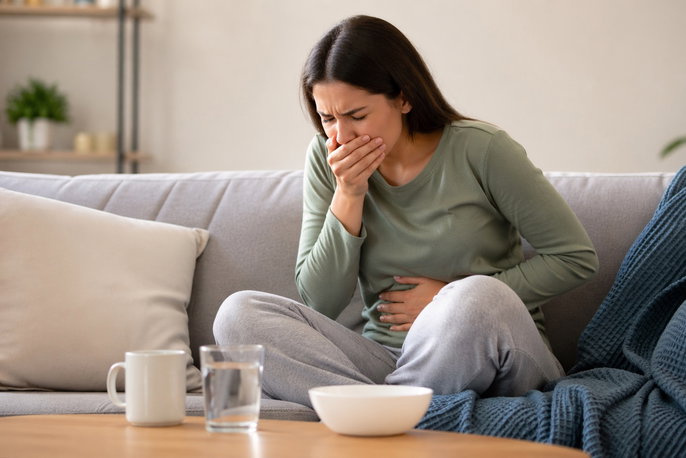
Managing symptoms
Managing vomiting and diarrhea focuses on preventing dehydration, relieving discomfort, and monitoring for worsening symptoms.
1. Recognizing dehydration (mild, moderate, severe)
Dehydration can develop quickly with vomiting and diarrhea and may range from mild to severe. Signs may include:
-
Increased thirst and dry mouth
-
Reduced urination or dark urine
-
Fatigue or dizziness
-
Sunken eyes or dry skin in more severe cases
Severe dehydration can lead to confusion, rapid heartbeat, or fainting and requires urgent medical care.
2. Home care for vomiting and diarrhea (fluids, rest, medicines)
With vomiting and diarrhea, rest is highly advised, as well as a light diet with plenty of fluid to prevent dehydration. Cases of very intense vomiting and diarrhea should be treated with electrolyte replacements, taken every hour to prevent electrolyte losses.
Small, frequent sips of fluids are generally better tolerated than large amounts at once. Oral rehydration solutions are often recommended to replace both fluids and electrolytes effectively.
Common causes
Vomiting and diarrhea can occur for the following reasons:
1. Gastroenteritis
Gastroenteritis is the most common cause of vomiting diarrhea. It occurs with intestinal inflammation caused by a virus, bacteria or parasites that can enter the body through contaminated water or food. It is associated with symptoms like intense diarrhea, nausea, vomiting and general malaise.
How to treat: Rest and plenty of fluids are highly advised to prevent excessive fluid and salt losses. Very intense or very frequent vomiting and diarrhea should be treated with fluid and salt replacement, which can be done orally or with IV solutions. It is also important to maintain a light, easy-to-digest diet, and to prevent using anti-diarrhea medication.
2. COVID-19
COVID-19 is a respiratory infection caused by a virus, however some people may present with gastrointestinal symptoms, like diarrhea and vomiting. This occurs because COVID-19 can multiply in the intestinal cells, causing GI symptoms.
How to treat: If you suspect you may have COVID-19, you should complete testing to confirm it and remain in isolation as directed by your public authority guidelines. Once confirmed, you should rest, maintain and light diet and drink plenty of fluid. If you have any respiratory symptoms, you should seek medical attention to ensure adequate lung functioning and more targeted treatment.
3. Food poisoning
Food poisoning occurs when food is contaminated with toxins produced by microorganisms. It leads to symptoms within a few hours of consumption. The main symptoms of food poisoning are general malaise, diarrhea, nausea and vomiting, in addition to dehydration in more serious cases. Learn more about symptoms associated with food poisoning and how it is treated.
How to treat: For a quick recovery, it is important to ensure adequate fluid intake and to replace any lost electrolytes as needed. You should avoid taking any anti-diarrhea medication, as the body needs to naturally eliminate the toxin through stool. In some cases, the doctor may consider prescribing antibiotics. Read more about home remedies for food poisoning to relieve symptoms naturally.
4. Other infections (parasites and bacteria)
In addition to common viruses, other infections can cause vomiting and diarrhea. These include parasitic infections from contaminated water and bacterial infections such as Clostridioides difficile, which can occur after antibiotic use. Symptoms may vary but often include persistent diarrhea, abdominal pain and nausea.
How to treat: Treatment depends on the specific organism and may include targeted medications such as antiparasitics or antibiotics. Hydration and electrolyte replacement remain essential during recovery.
5. Medication side-effects
Some medication, especially antibiotics, can alter intestinal flora and cause vomiting and diarrhea as a side effect. Other medications may also irritate the gastrointestinal tract or affect digestion.
How to treat: You should report any side-effects to your prescriber, who may consider discontinuing the medication or swapping to an alternative.
6. Digestive and chronic conditions
Certain underlying conditions can also lead to vomiting and diarrhea. These include irritable bowel syndrome (IBS), inflammatory bowel disease (IBD), and other gastrointestinal disorders that affect how the intestines function. Symptoms may be recurrent and vary in intensity depending on the condition.
How to treat: Management depends on the underlying condition and may include dietary changes, medications, and ongoing medical follow-up to control symptoms and prevent flare-ups.
Stomach flu vs food poisoning
Vomiting and diarrhea are common in both stomach flu (viral gastroenteritis) and food poisoning, but there are key differences in how symptoms appear and progress.
Understanding these differences can help guide expectations and management.
Emergency checklist: When to seek immediate care
Although vomiting and diarrhea are often mild, certain symptoms require urgent medical attention.
1. Severe dehydration and shock
Severe dehydration may present with confusion, fainting, rapid heartbeat, or very little urine output. These signs require immediate medical care.
2. Red flag symptoms in adults
Adults should seek urgent care if they experience:
-
Persistent vomiting or inability to keep fluids down
-
Signs of severe dehydration
-
High fever or worsening weakness
-
Blood in vomit or stool
These symptoms require immediate medical attention.
3. Red flag symptoms in children
Children are at higher risk of dehydration and complications. Warning signs include:
-
Fewer wet diapers or very little urination
-
Lethargy or unusual sleepiness
-
Dry mouth or absence of tears when crying
Prompt medical evaluation is important, as children as more likely to deteriorate and worsen quickly.
Special considerations for infants and the elderly
Certain groups are more vulnerable to complications from vomiting and diarrhea.
-
Babies and young children: Infants and young children can become dehydrated more quickly due to smaller fluid reserves. Careful monitoring and early fluid replacement are essential.
-
Older adults and people with chronic disease: Older adults and people with chronic conditions may have a higher risk of dehydration and complications, especially if fluid intake is reduced or symptoms persist.
Emergency care is recommended for severe dehydration, inability to drink fluids, or worsening symptoms in these high-risk groups. Early intervention helps prevent complications.
24-hour recovery diet
Diet plays an important role in recovery from vomiting and diarrhea and should focus on rehydration and gradual reintroduction of food.
1. Rehydration first (clear liquids and ORS)
If you have vomiting and diarrhea, you are advised to maintain a light and easy-to-digest diet. You should opt for boiled foods in small servings, as these tend to be easier for the body to breakdown.
Hydration should be prioritized with clear fluids and oral rehydration solutions to replace lost electrolytes.
2. Light foods to add back (first 24 hours)
Some options to eat include:
-
Cooked rice and carrots
-
Boiled white meats, like turkey, chicken and fish
-
Peeled or boiled fruits, like apple, pear or banana
-
Vegetable soups, chicken soup or broths
You should avoid eating raw food, fiber-rich foot or fatty food. These can further promote the gut and worsen vomiting and diarrhea. Learn more about home remedies for diarrhea that you can take while recovering. You can resume your normal diet after 24 hours of no symptoms.
You can also consider eating more probiotic food, to promote regular intestinal function and relieve vomiting and diarrhea. Check out a list of probiotic foods and the benefits of eating them.
3. WHO-standard oral rehydration solution
Oral rehydration solution is specifically designed to replace fluids and essential electrolytes lost during vomiting and diarrhea. The WHO-recommended formula contains a balanced mix of glucose and salts that helps improve fluid absorption in the intestines.
This type of solution is considered one of the most effective ways to prevent and treat dehydration, especially in children and older adults.
