


- A postpartum diet rich in vegetables, fruits, whole grains, and lean proteins can support recovery, breastfeeding, and overall maternal health.
- Staying hydrated, limiting alcohol, and consuming caffeine in moderation can help support a healthy breast milk supply and infant well-being.
- Weight loss after childbirth is safest when combined with a balanced diet, regular physical activity, and guidance from a healthcare provider.
A postpartum diet should include vegetables, fruits, whole grains, legumes, and lean proteins to support recovery and maternal health. These foods also provide important nutrients during breastfeeding.
Healthy eating after childbirth involves choosing nutritious foods, staying hydrated, and limiting alcohol and excess caffeine. These habits can help support breast milk production and the baby’s well-being.
Postpartum weight loss should be gradual and combined with a safe return to physical activity. A registered dietitian can provide personalized guidance based on nutritional needs, breastfeeding, and recovery.
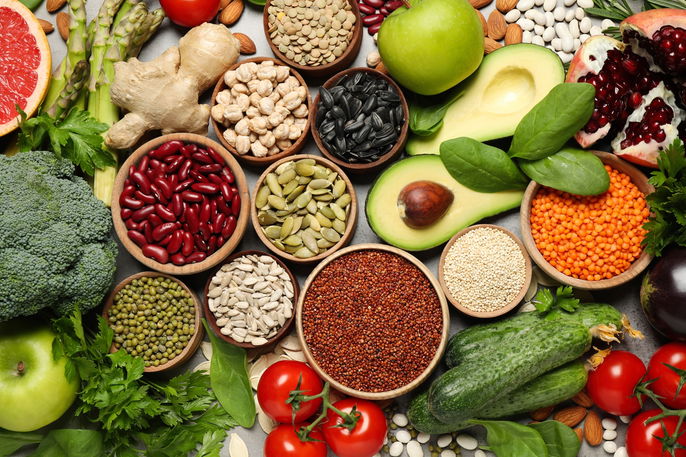
What to eat postpartum
Foods that can be included in a postpartum diet are:
-
Lean proteins, such as tofu, chicken, turkey, fish, and eggs
-
Low-fat dairy products, such as milk, yogurt, and cheese
-
Whole grains, such as brown rice, whole-wheat pasta, and whole-grain bread
-
Foods rich in omega-3 fatty acids, such as herring, sardines, salmon, chia seeds, and seaweed
-
Legumes, such as beans, lentils, soybeans, and chickpeas
-
Fruits, such as lemons, oranges, papaya, persimmons, avocados, tangerines, and apples
-
Vegetables, such as tomatoes, carrots, spinach, cauliflower, okra, lettuce, and arugula
-
Seeds, such as flaxseeds, sesame seeds, pumpkin seeds, and chia seeds
-
Starchy vegetables, such as cassava, potatoes, yams, sweet potatoes, and taro
-
Beverages, such as water and coconut water
Eating a nutritious diet can help reduce inflammation and support healing after a vaginal delivery or cesarean section.
What not to eat postpartum
Foods that should be limited or avoided during the postpartum period include:
-
High-fat foods, such as fried foods, pizza, bacon, and chips
-
Foods and drinks high in refined sugar, such as candy, soda, packaged juice, ice cream, and chocolate
-
Ultra-processed foods, such as packaged snacks, cookies, and fast food
-
Processed meats, such as salami, sausage, hot dogs, ham, and processed pork products
-
Alcoholic beverages, such as beer, wine, and sparkling wine
These foods may interfere with healing or contribute to excessive postpartum weight gain.
What to eat while breastfeeding
While breastfeeding, it is important to eat a varied, well-balanced diet that supports both milk production and the baby’s development. Prioritize fresh vegetables, fruits, whole grains, legumes, protein-rich foods, dairy products, and healthy fats.
Drink plenty of water throughout the day to stay hydrated and help maintain an adequate milk supply.
Also recommended: Breastfeeding Diet: Food to Eat & Avoid (w/ Meal Plan) tuasaude.com/en/breastfeeding-dietWhat not to eat while breastfeeding
While breastfeeding, follow standard food-safety practices by avoiding unpasteurized milk and raw or undercooked oysters, meat, and seafood. These foods may contain harmful microorganisms that can cause intestinal or foodborne infections.
Caffeinated foods and drinks, such as coffee, black tea, green tea, and yerba mate, can generally be consumed in moderation. According to the CDC, consuming about 300 mg or less of caffeine per day is unlikely to negatively affect most breastfed infants, although higher intake may cause fussiness or sleep problems, particularly in newborns and preterm infants.
Not drinking alcohol is the safest option while breastfeeding, according to the CDC. If alcohol is consumed, the CDC recommends waiting at least 2 hours per standard drink before breastfeeding because alcohol passes into breast milk. Excessive alcohol consumption may affect an infant’s development, growth, and sleep.
Breastfeeding mothers generally do not need to avoid specific foods to prevent colic. If a particular food repeatedly appears to worsen the baby’s symptoms, the mother should discuss the symptoms with the baby’s pediatrician before making dietary restrictions.
How to lose weight after childbirth
To lose weight safely after childbirth, eat a nutritious diet and gradually return to physical activity with guidance from your healthcare provider.
According to the American College of Obstetricians and Gynecologists (ACOG), moderate-intensity exercise can be introduced gradually, depending on the type of delivery and whether any medical or surgical complications occurred.
Weight gain during pregnancy is normal, and some weight is lost immediately after delivery. This includes the weight of the baby, placenta, amniotic fluid, and some retained fluid.
Additional weight may be lost during the first several weeks as the body eliminates excess fluid accumulated during pregnancy. However, the amount and rate of postpartum weight loss vary from person to person.
Weight loss after childbirth should be gradual, especially while breastfeeding. A registered dietitian can provide individualized guidance when needed to help prevent nutrient deficiencies and support an adequate breast milk supply.
