


- High cholesterol usually has no symptoms, even when cholesterol levels are high.
- Fatty deposits on the eyelids, fatty nodules on the body, or a gray or white ring around the eye may be warning signs.
- Abdominal swelling, abdominal tenderness, severe abdominal pain, or frequent nausea may happen when triglycerides are very high.
High cholesterol symptoms are uncommon, but may include fatty deposits on the eyelids or other parts of the body, a white or gray ring around the colored part of the eye, or abdominal swelling. However, most people with high cholesterol have no symptoms, even when cholesterol levels are high.
Because high cholesterol often develops without noticeable signs, it can increase the risk of atherosclerosis, heart attack, and stroke if left untreated. A blood test is the only way to confirm high cholesterol, especially in people with risk factors or a family history of the condition.
Treatment for high cholesterol usually includes healthy lifestyle changes, such as eating a diet low in saturated and trans fats, exercising regularly, quitting smoking, and maintaining a healthy weight. In some cases, cholesterol-lowering medications, such as statins, may also be needed to help lower cholesterol levels.
Symptoms of high cholesterol
The main high cholesterol symptoms include:
-
A gray or white ring around the colored part of the eye, also known as arcus senilis
-
Fatty deposits on the eyelids, known as xanthelasma
-
Fatty nodules on areas such as the hands, knees, elbows, or heels, known as xanthomas
-
Abdominal swelling with no clear cause
-
Abdominal tenderness
However, high cholesterol usually does not cause signs or symptoms unless blood cholesterol levels are very high, as may occur with familial hypercholesterolemia.
Abdominal swelling and tenderness are usually caused by an enlarged liver or spleen. This can happen when blood triglyceride levels reach around 800 mg/dL or higher, and may also cause severe abdominal pain and frequent nausea.
Confirming a diagnosis
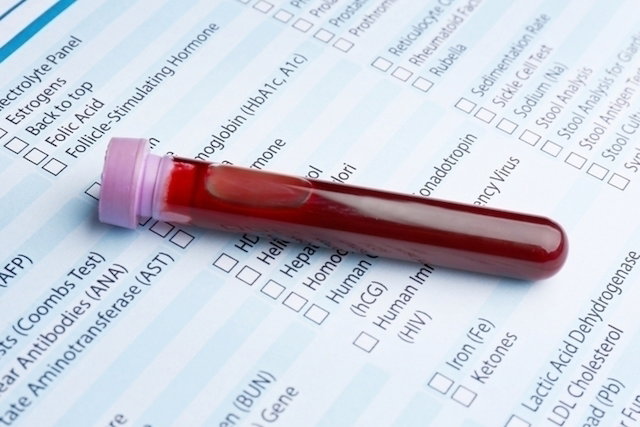
According to the CDC, high cholesterol usually has no symptoms, and a simple blood test called a lipid profile is the only way to know whether cholesterol levels are high. Healthcare providers usually order total cholesterol, LDL, VLDL, HDL, and triglyceride levels to confirm the diagnosis.
People with risk factors for high cholesterol should have their cholesterol checked regularly, even if they do not have symptoms.
A cholesterol test is relatively simple and is usually done after fasting for 8 to 12 hours. Check out the updated 2026 cholesterol guidelines to see what has changed.
Main causes
High cholesterol is mainly caused by an unhealthy diet that is high in fatty foods, such as cheese, processed meats, sweets, fried foods, and ultra-processed foods. These foods can raise cholesterol levels and make it harder for the body to remove excess cholesterol.
Lack of physical activity and unhealthy lifestyle habits, such as smoking or drinking alcohol, can also increase the risk of high LDL, or “bad” cholesterol.
Some people have inherited high cholesterol. This can happen even with a healthy diet and regular exercise, because it is linked to genetic factors that often affect other family members.
Treatment options
The main treatment for high cholesterol focuses on healthy lifestyle habits. According to the American Heart Association, reducing saturated and trans fats is one of the best dietary steps to help lower cholesterol.
Eating more fiber, fruits, and vegetables, quitting smoking, losing excess weight, and exercising regularly are also important.
In more severe cases, or when cholesterol is hard to control with lifestyle changes alone, a healthcare provider may prescribe cholesterol-lowering medicines, such as simvastatin or atorvastatin, to help reduce cholesterol levels.
Also recommended: Cholesterol Medicine: 9 Medications Plus Natural Remedies tuasaude.com/en/cholesterol-medicineSome home remedies, like yerba mate or artichoke tea, may also be used as a complement to medical treatment, as they can help the body eliminate excess cholesterol. Read more about other natural ways to lower cholesterol.
