


Broadleaf plantain is a medicinal herb traditionally used to treat colds, flu, and inflammation, particularly in the respiratory and digestive systems. It is also known for supporting wound healing, easing diarrhea, and helping regulate blood sugar levels.
The potential health effects of broadleaf plantain are linked to natural compounds such as flavonoids, iridoids, mucilages, and antioxidants, which have anti-inflammatory, antibacterial, and antiviral properties. Scientifically known as Plantago major, this plant has been widely studied for its role in digestive, respiratory, and urinary health.
The leaves and seeds of broadleaf plantain are the parts most often used and can be prepared as tea, compresses, juices, poultices, or tinctures. These forms are commonly used to support skin healing, soothe cough and throat irritation, and complement medical treatment for conditions such as ulcers and urinary tract infections.
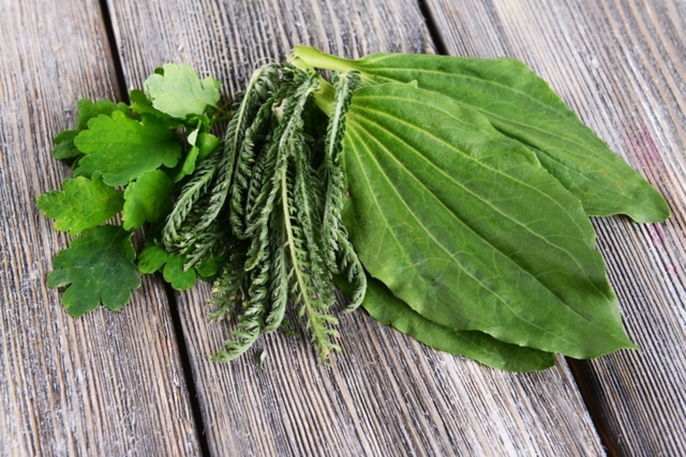
Main benefits
Due to its properties, broadleaf plantain may be used to help:
1. Promote wound healing
This effect is linked to the fact that broadleaf plantain is rich in polyphenols, polysaccharides, and antioxidants. These compounds protect cells from damage caused by inflammation and may help promote tissue repair.
2. Prevent gastric ulcers
Some scientific studies suggest that the leaves and seeds of broadleaf plantain may help prevent gastric ulcers. This may occur because it lowers the acidity of gastric juices, which helps relieve burning and stomach pain.
It may also inhibit the activity of the bacterium Helicobacter pylori (H. pylori). When H. pylori is not identified and treated properly, it can contribute to the development of stomach ulcers.
3. Control blood sugar levels
Broadleaf plantain may have antidiabetic properties because it can help improve how pancreatic cells regulate blood sugar. It also contains flavonoids, sterols, and tannins, which are compounds that may lower blood glucose levels.
4. Relieve diarrhea
Some studies indicate that broadleaf plantain may help improve diarrhea symptoms because it contains tannins, flavonoids, and alkaloids. These compounds may reduce intestinal secretion and fluid buildup, producing an antidiarrheal effect.
5. Fight respiratory infections
Because it contains polysaccharides, broadleaf plantain may have protective effects against certain bacteria, such as Streptococcus pneumoniae. It may also help protect against viruses, including adenovirus, which is why it is often used in cases of the flu.
The tea can also serve as a gargle to ease mouth and throat issues like canker sores, pharyngitis (sore throat), tonsillitis, and laryngitis, thanks to its anti-inflammatory and antibacterial properties.
6. Reduce inflammation
Broadleaf plantain may help reduce inflammation mainly due to its iridoids and flavonoids. These compounds can inhibit the action of substances involved in the body’s inflammatory response.
7. Prevent premature aging
Broadleaf plantain is rich in antioxidants, especially phenolic compounds and flavonoids. These compounds help protect cells from damage caused by free radicals, which may help prevent premature aging.
8. Prevent and treat urinary tract infections
Because it may have a diuretic effect, broadleaf plantain may help prevent and treat urinary tract infections (UTIs) by increasing urine production and helping eliminate bacteria. Its anti-inflammatory properties may also help relieve pain and burning with urination, which are common UTI symptoms.
Broadleaf plantain may serve as a complementary treatment for UTIs. Healthcare providers typically recommend specific medications to target the infectious agent causing the UTI.
How to use
Broadleaf plantain leaves may be used to season meals, make tea, or prepare compresses for the skin, while the seeds can be consumed orally (by mouth).
1. Broadleaf plantain tea
Ingredients:
-
3 to 4 g of dried broadleaf plantain leaves;
-
1 cup (240 mL) of water.
Directions:
Bring the water to a boil, then remove from heat and add the leaves, letting them steep for about 3 minutes. Let it cool slightly, strain, and drink up to 3 cups per day.
2. Broadleaf plantain compresses
Compresses can be made using the tea. Soak a clean cloth in the tea and apply it to the skin over the wound to help support healing and reduce skin inflammation.
3. Broadleaf plantain juice
Ingredients:
-
2 tablespoons of chopped fresh broadleaf plantain leaves;
-
1 cup of cold water.
Directions:
Blend the water and leaves until well mixed. Strain and drink on an empty stomach.
4. Broadleaf plantain poultice
Crush the leaves and warm them slightly. Apply them directly to affected areas of the skin, such as wounds, inflammation, ulcers, or insect bites.
5. Broadleaf plantain tincture
Broadleaf plantain is also available as a tincture in a 1:3 ratio. Use 6 to 12 drops in a glass of water or under the tongue, about 3 times per day.
Shake the tincture well before use and store the bottle in a cool, dark place.
Also recommended: How to Make a Tincture: Step-by-Step Guide (& Health Benefits) tuasaude.com/en/how-to-make-a-tinctureSide effects
The main side effects of broadleaf plantain include drowsiness, intestinal cramps, dehydration, gas, abdominal bloating, nausea, vomiting, indigestion, and pain in the sternum.
Contraindications for use
Broadleaf plantain is contraindicated for people who are pregnant or breastfeeding, as well as people with heart problems. It is also not recommended for people with bowel obstruction, low blood pressure, or before surgical procedures.
People with diabetes should inform a healthcare provider before using broadleaf plantain, as the seeds may lower blood sugar too much and cause hypoglycemia.
According to the American Academy of Pediatrics (AAP), it is important to talk with a pediatrician before giving a child any supplement. To date, there are no studies evaluating the effects of broadleaf plantain in children.
